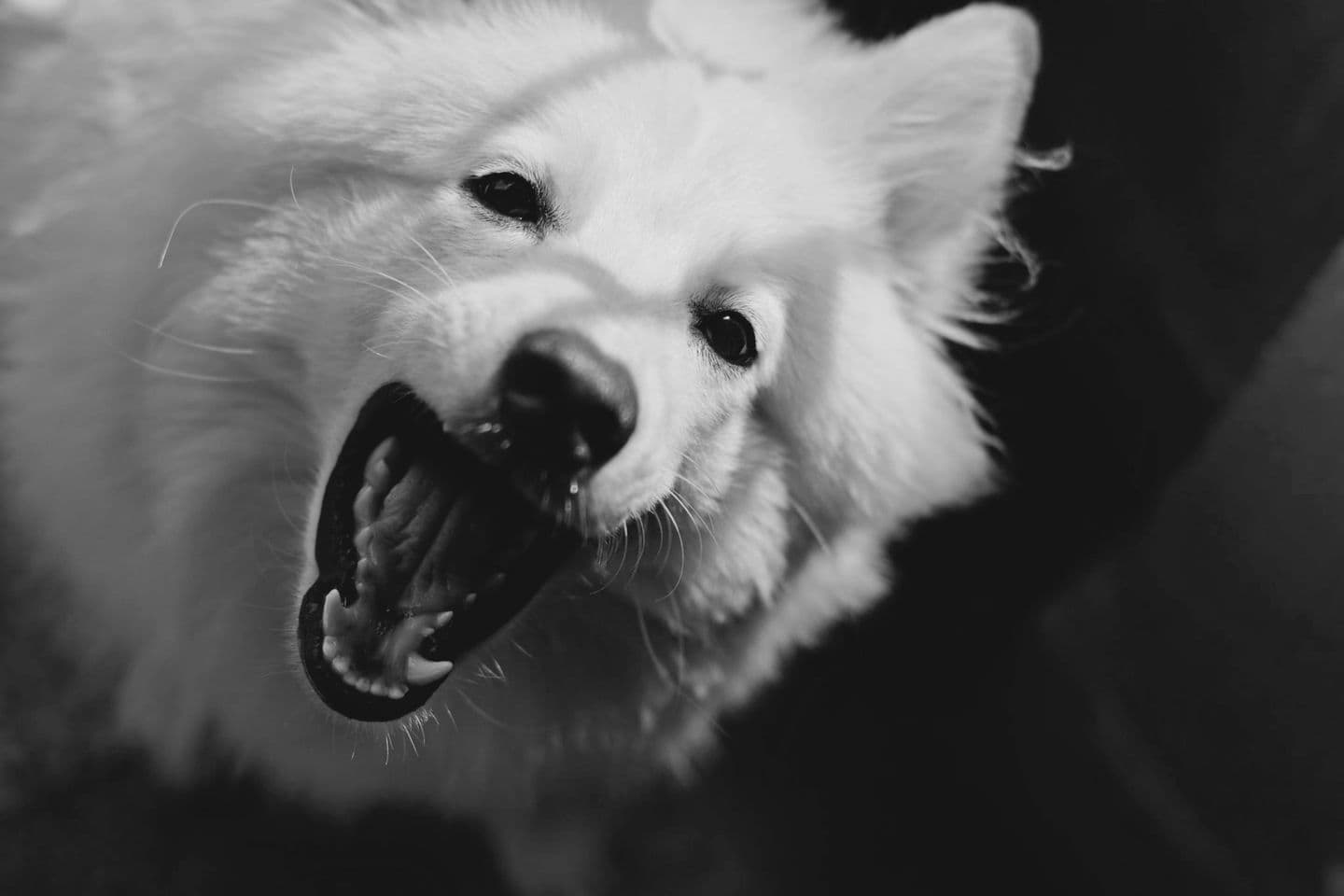
Anyone who has watched a dog wedge themselves between their owner and a new puppy, a visiting baby, or even another pet getting a cuddle has probably wondered whether dogs really feel jealousy. Animal
Anyone who has watched a dog wedge themselves between their owner and a new puppy, a visiting baby, or even another pet getting a cuddle has probably wondered whether dogs really feel jealousy. Animal behaviourists are honestly divided on whether it is the same complex emotion humans experience, but most agree the behaviour is real, even if it is better described as a competitive response over a limited resource, whether that resource is attention, food, or physical space.
Typical signs include pushing between an owner and whoever else is receiving attention, whining or barking to be noticed, guarding a favourite lap or spot, and occasionally snapping at another pet during a moment of affection. In India, this often shows up around the arrival of a new baby, a new pet, a relative staying over during festival season, or simply a shift in attention towards a family elder who needs more care.
Managing jealous-type behaviour
Scolding a dog in the moment tends to add anxiety without addressing the underlying insecurity, and rarely helps long term. A more effective approach is to reward calm behaviour whenever another pet or person is getting attention nearby, rather than only reacting when things go wrong. Feeding pets separately, keeping treats and praise reasonably balanced between animals in a multi-pet household, and setting aside dedicated one-on-one time with each dog every day all help reduce the sense of competition that drives the behaviour.
It also helps to avoid consistently favouring one pet over another in small daily moments, since dogs notice these patterns closely. If jealous-type behaviour escalates into snapping, growling, or any bite risk, especially around children, it is worth bringing in a certified trainer or behaviourist rather than managing it alone, since safety should always come first.
Jealousy versus resource guarding
It is worth telling jealous-type behaviour apart from resource guarding, since the two look similar but call for different handling. Jealousy tends to be about attention and presence, a dog wanting to be included when affection is being given elsewhere. Resource guarding is more specific: a dog stiffening, growling, or snapping to protect a particular item such as food, a bone, or a toy, even when no other pet or person is competing for attention at all. A dog that only reacts when someone approaches their bowl or a chew is guarding a resource, not feeling left out, and this calls for a structured resource-guarding programme rather than the attention-based approach used for jealousy.
Beyond the familiar Great Dane and Saint Bernard, a number of large, calm breeds carry the same gentle-giant temperament without quite the same name recognition. Most remain genuinely rare in India, b
A once-bouncy dog that suddenly seems flat, uninterested in walks, and withdrawn from the family is unsettling to watch, and the question that naturally follows is whether dogs can actually feel somet
A healthy dog isn't just a contented one; they're more playful, more energetic and more emotionally settled. As their owner, you're the biggest factor in how well your dog thrives, day in and day out.