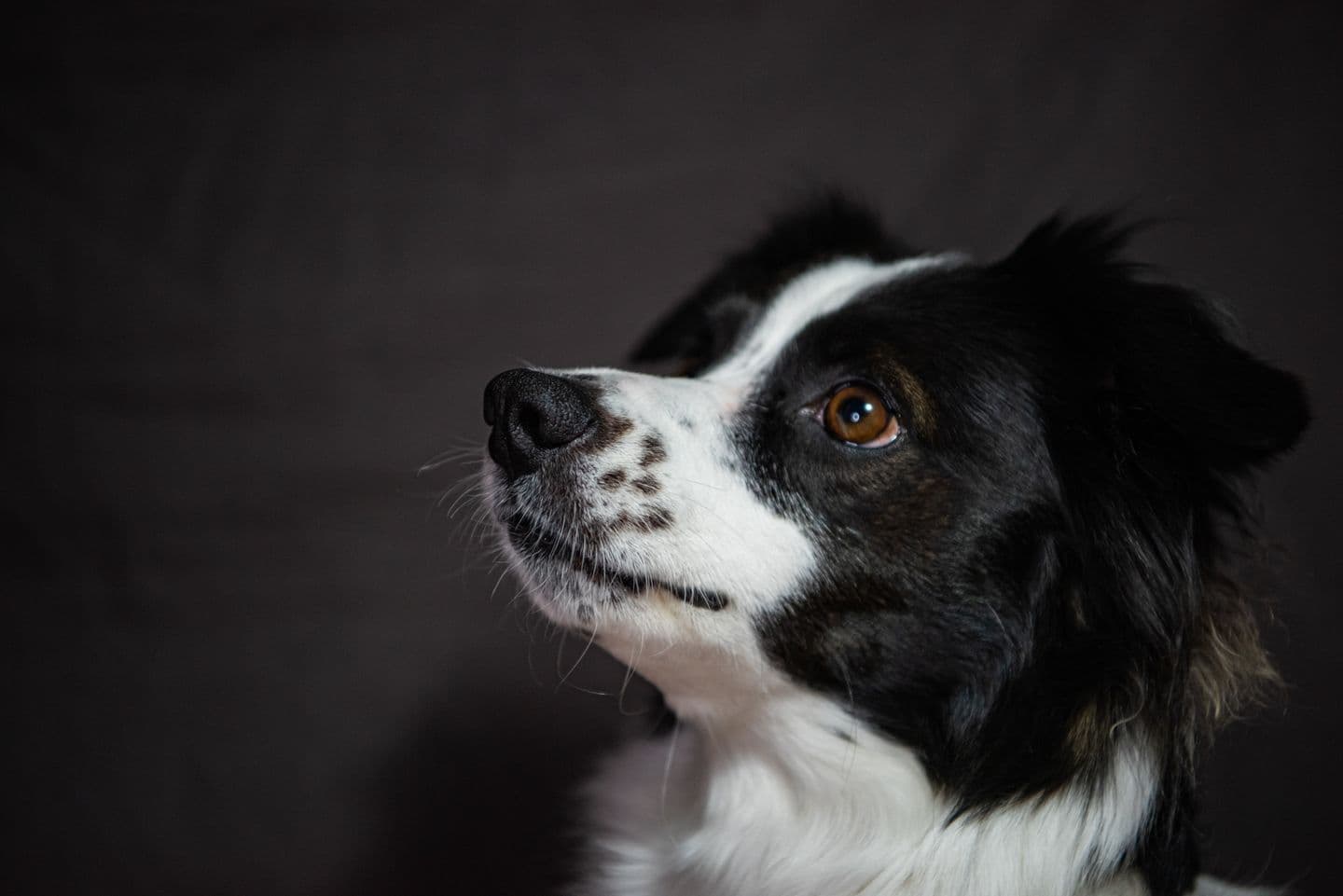
Petting is one of the simplest, most universal ways people express affection to a dog, and the enjoyment is genuinely mutual, rooted in both social bonding and physical sensation.
Petting is one of the simplest, most universal ways people express affection to a dog, and the enjoyment is genuinely mutual, rooted in both social bonding and physical sensation.
It Releases Feel Good Hormones
Gentle petting has been shown to lower a dog's heart rate and cortisol, the stress hormone, while raising oxytocin, the same bonding hormone released between a parent and child. This happens in the person doing the petting too, making it a genuinely mutual exchange.
It Mimics Social Grooming
Dogs in social groups often groom each other as a bonding behaviour. Being touched gently by a trusted person taps into this same social, affectionate instinct.
Touch Builds and Reinforces Trust
Consistent, gentle, welcome touch reinforces a dog's sense that their person is safe and reliable, deepening the overall bond over time, especially important during the early months with a new dog or rescue.
Not All Dogs Want the Same Amount
Individual preference varies considerably. Some dogs actively seek out petting throughout the day, while others, particularly independent breeds or dogs with a difficult early history, prefer shorter, less frequent contact. Neither is a sign of a lesser bond, simply an individual preference worth respecting.
Reading When a Dog Wants to Stop
Leaning away, stiffening, turning the head, or getting up and moving off are all clear signs a dog has had enough. Respecting this builds more trust in the long run than continuing to pet a dog who wants space.
Making Petting Enjoyable for Both of You
Favour spots most dogs enjoy, the chest, shoulders, and base of the tail, over less universally appreciated areas like the top of the head or the paws, and let your dog's own body language guide the pace and duration of each session.
Petting an Unfamiliar Dog Safely
Never reach toward or pet a dog you do not know, including a friendly looking street dog, without first letting them approach and sniff on their own terms, and ideally asking the owner first if there is one nearby. Offer the back of a closed hand at the dog's chest height rather than reaching over their head, and watch for a relaxed, loose body before extending contact any further.
Petting as an Informal Health Check
A regular petting session doubles as an easy opportunity to feel for new lumps, ticks, matting, or tender spots across your dog's body. Building this quiet habit into everyday affection means you are far more likely to notice a genuine health change early.
Beyond the familiar Great Dane and Saint Bernard, a number of large, calm breeds carry the same gentle-giant temperament without quite the same name recognition. Most remain genuinely rare in India, b
A once-bouncy dog that suddenly seems flat, uninterested in walks, and withdrawn from the family is unsettling to watch, and the question that naturally follows is whether dogs can actually feel somet
A healthy dog isn't just a contented one; they're more playful, more energetic and more emotionally settled. As their owner, you're the biggest factor in how well your dog thrives, day in and day out.