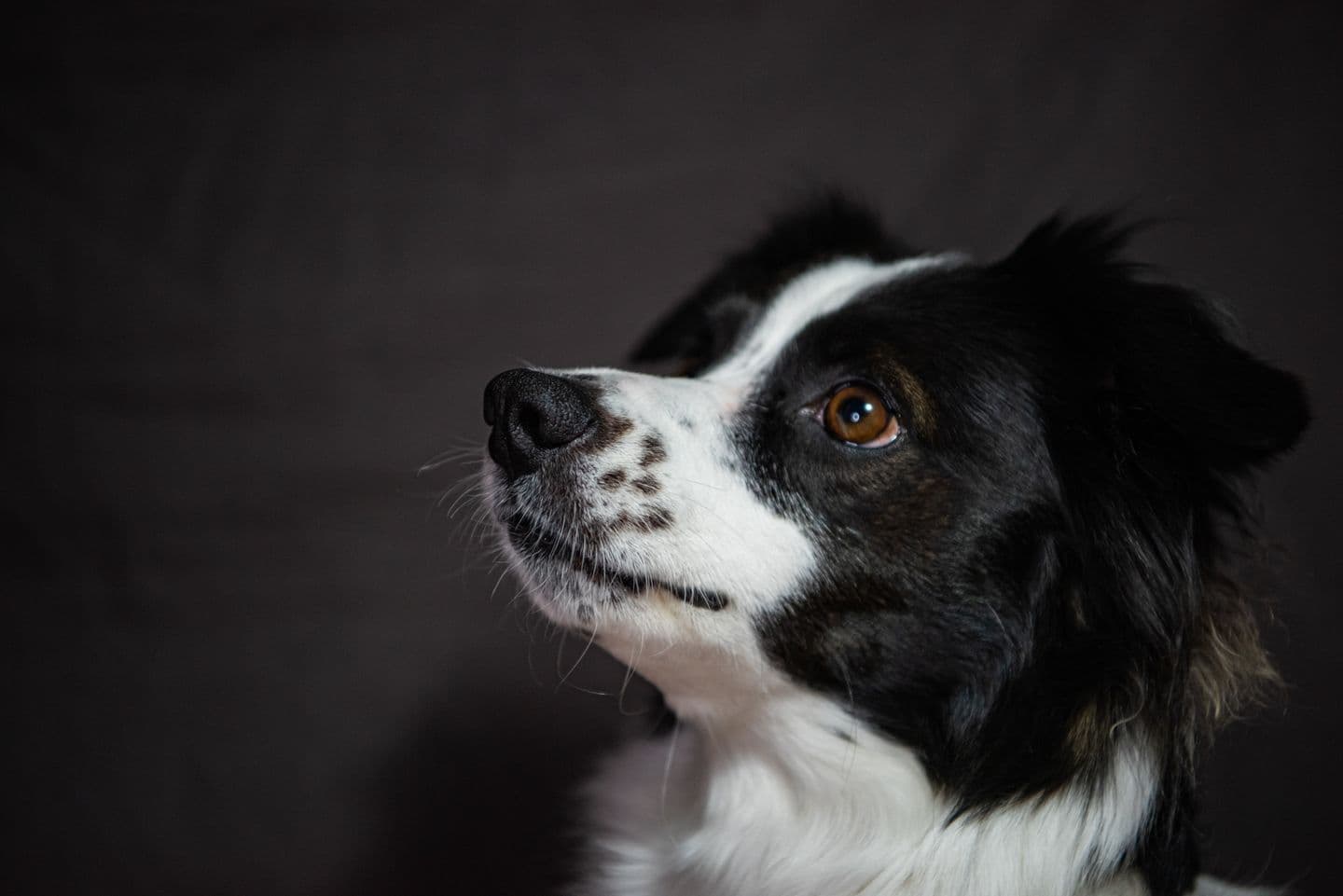
Why Dogs Like Being Petted (And Where They Prefer It)
If you have ever wondered why your dog leans harder into your hand the moment you scratch behind their ears, science has a fairly satisfying answer. Petting is not just something dogs tolerate. For mo
If you have ever wondered why your dog leans harder into your hand the moment you scratch behind their ears, science has a fairly satisfying answer. Petting is not just something dogs tolerate. For most dogs, it is genuinely one of the best parts of the day, and there is real biology behind it.
When a dog is petted gently, their brain releases oxytocin, often nicknamed the love hormone, along with a drop in cortisol, the stress hormone. Studies that measured hormone levels in both dogs and their owners during petting sessions found this shift happens on both ends of the leash, which is part of why a few minutes of stroking a dog can calm a stressful day for a person too. A dog's skin is also packed with nerve endings, especially around the chest, shoulders, and base of the ears, which is why these spots tend to produce the most obvious tail wags and leaning.
Where dogs like to be touched, and where they don't
Most dogs enjoy being stroked on the chest, the side of the neck, the base of the ears, and along the shoulders. Many are far less keen on having their paws, muzzle, tail, or the top of the head touched by an unfamiliar hand, even if they tolerate it from someone they trust completely. Watch the dog's body language rather than assuming: a soft, relaxed posture, leaning into your hand, and a loosely wagging tail mean they are enjoying it. Stiffening, turning the head away, lip licking, or showing the whites of the eyes (sometimes called whale eye) are signs to stop and give them space.
Petting rescued and community dogs
India has a large and growing culture of adopting indie and community dogs, many of whom have had little gentle, predictable contact with people before coming into a home. With a newly adopted street dog, go slowly. Let the dog approach you rather than reaching over their head, offer a hand low and to the side for them to sniff first, and keep initial sessions short. Trust built this way tends to be far more lasting than trust forced through insistence, and most dogs who have had a harder start in life do come to enjoy affectionate touch once they feel safe.
Petting costs nothing, takes no special equipment, and is one of the simplest ways to strengthen the bond with a dog, whether they came from a breeder, a shelter, or the street outside your gate.
Teaching children to pet a dog safely
In many Indian homes, dogs and young children share the same living room, and most bites to children happen not out of aggression but because a child's approach or touch made the dog uncomfortable. Teach children to approach slowly from the side rather than running up or reaching over the dog's head, to pet the chest or shoulders rather than patting the top of the head, and to stop the moment the dog turns away, stiffens, or moves off. Never let a child disturb a dog that is eating, sleeping, or chewing something, and always supervise young children and dogs together rather than assuming good intentions are enough.
Beyond the familiar Great Dane and Saint Bernard, a number of large, calm breeds carry the same gentle-giant temperament without quite the same name recognition. Most remain genuinely rare in India, b
A once-bouncy dog that suddenly seems flat, uninterested in walks, and withdrawn from the family is unsettling to watch, and the question that naturally follows is whether dogs can actually feel somet
A healthy dog isn't just a contented one; they're more playful, more energetic and more emotionally settled. As their owner, you're the biggest factor in how well your dog thrives, day in and day out.