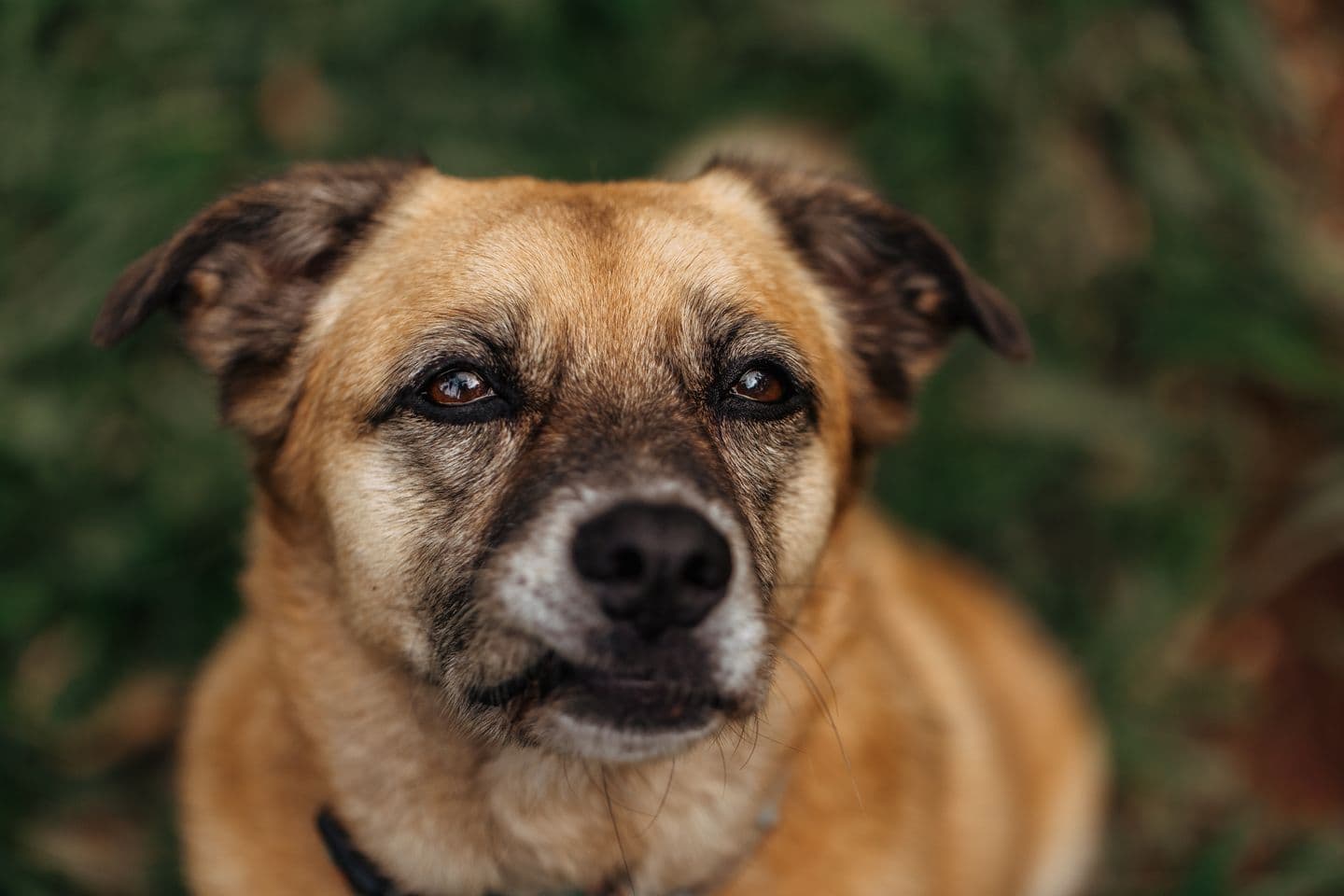
Limping is a dog's way of telling you something hurts, even if they cannot point to exactly where. Because dogs are naturally good at masking pain, by the time a limp becomes visible, there is usually
Limping is a dog's way of telling you something hurts, even if they cannot point to exactly where. Because dogs are naturally good at masking pain, by the time a limp becomes visible, there is usually a genuine issue underneath.
Common Causes
Paw injuries, including cuts, thorns, or embedded debris between the toes, which are common on Indian streets and during monsoon walks
Sprains and strains from running, jumping, or rough play
Fractures or dislocations from falls or accidents
Arthritis, particularly in senior dogs and larger breeds
Torn ligaments, such as a cranial cruciate ligament tear, which typically affects a back leg
Overgrown or broken nails
Tick borne illnesses, which can cause joint pain and shifting lameness
What to Check First
Before assuming the worst, examine the paw thoroughly for cuts, thorns, ice or tar buildup, or foreign objects between the pads and toes. Gently feel along the leg for swelling, heat, or a reaction to touch, but stop if your dog shows pain, since forcing an examination can cause more harm.
Home Care for a Mild Limp
Rest is the most important step, limiting walks to short, leashed bathroom breaks
Avoid stairs, jumping onto furniture, or rough play until the limp improves
A cool compress can help with mild swelling in the first day
Do not give human pain medication, since many common options are toxic to dogs
When to See a Vet
Seek veterinary care if your dog cannot bear any weight on the leg, the limp does not improve within 24 to 48 hours, there is visible swelling, heat, or an obviously abnormal angle to the limb, or if pain, whimpering, or fever accompanies the limp. Sudden, severe limping after a fall or accident should be treated as an emergency.
Limping After a Grooming Session
Occasionally a limp appears shortly after a nail trim, particularly if a nail was cut a little too short, known as quicking. This tends to cause a brief, mild limp on just the affected paw that improves within a day. If the limping is more pronounced, affects a different leg entirely, or does not ease quickly, treat it as unrelated to the grooming and work through the other causes covered above.
A styptic powder applied at the time of a quicked nail helps stop any bleeding quickly and reduces ongoing discomfort, so it is worth keeping a small pot at home if you trim nails yourself. If bleeding does not stop within a few minutes of firm, gentle pressure, contact your vet rather than continuing to wait.
Common Questions
Can hot pavement cause paw related limping in Indian summers?
Yes, walking on hot roads or pavements during peak summer can burn paw pads, leading to limping, redness, or blistering. Walking early morning or evening, and testing pavement heat with your hand first, helps prevent this.
Is limping after a vaccine normal?
Mild, temporary soreness at the injection site can cause brief limping in the leg where the vaccine was given, usually resolving within a day or two. Persistent or worsening limping should be checked.
This article is for general awareness and does not replace veterinary advice. If your dog is unwell, consult a veterinarian promptly.
Beyond the familiar Great Dane and Saint Bernard, a number of large, calm breeds carry the same gentle-giant temperament without quite the same name recognition. Most remain genuinely rare in India, b
A once-bouncy dog that suddenly seems flat, uninterested in walks, and withdrawn from the family is unsettling to watch, and the question that naturally follows is whether dogs can actually feel somet
A healthy dog isn't just a contented one; they're more playful, more energetic and more emotionally settled. As their owner, you're the biggest factor in how well your dog thrives, day in and day out.