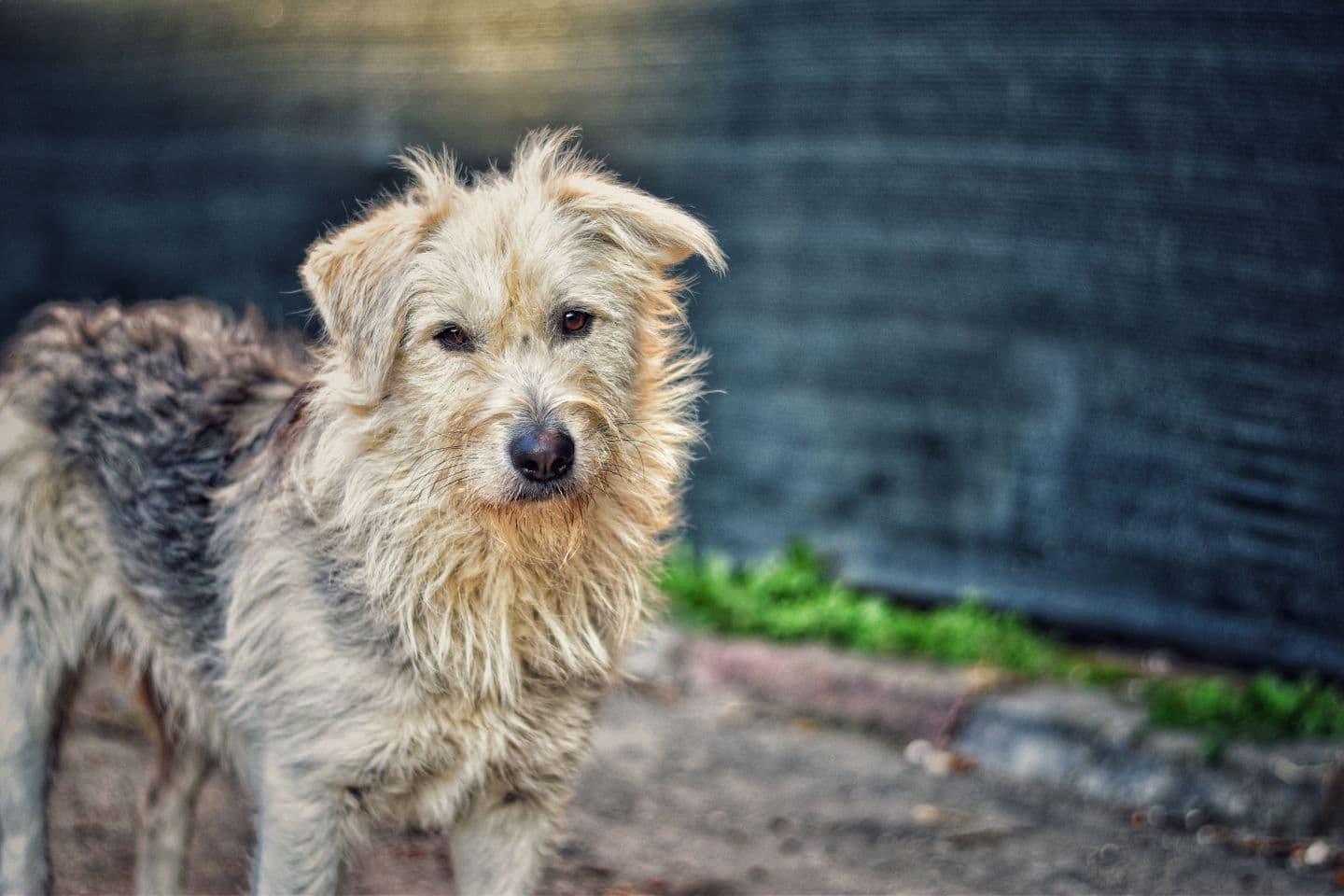
Many pet parents grew up believing a wet nose means a healthy dog and a dry one means trouble. In reality, a dog's nose moves between wet and dry throughout the day for all kinds of ordinary reasons,
Many pet parents grew up believing a wet nose means a healthy dog and a dry one means trouble. In reality, a dog's nose moves between wet and dry throughout the day for all kinds of ordinary reasons, and a dry nose on its own is rarely something to worry about.
How a Dog's Nose Stays Moist
Glands beneath the surface of the nose produce a thin layer of mucus, and dogs also lick their noses regularly to keep them wet, which helps with scent detection. Anything that interrupts either of these, even briefly, can leave the nose feeling dry.
Common, Harmless Reasons
Waking up from a nap, since sleeping dogs do not lick their noses as often
Mild dehydration after exercise or on a hot day, which usually resolves once your dog drinks water
Exposure to sun, wind, or dry indoor heating
Simply lying near a heater, sunny window, or fan for a while
Old age, as noses naturally become a little drier over the years
Breed related factors, since brachycephalic breeds like Pugs and Bulldogs sometimes struggle to reach and lick their noses as easily
When It Could Signal Something More
A dry nose becomes more of a concern when it is chronic, or when it comes with cracking, crusting, bleeding, loss of the nose's normal pigment, or other signs of illness such as lethargy, reduced appetite, or vomiting. Rare autoimmune conditions such as discoid lupus erythematosus and pemphigus can cause the nose to dry out, lose colour, and crack, and these need veterinary diagnosis and treatment.
What You Can Do
Ensure fresh water is always available, particularly important during Indian summers
A vet approved, dog safe nose balm or a small amount of coconut oil can help with mild dryness, applied sparingly since your dog will likely lick it off
Avoid human lip balms or petroleum products unless your vet confirms they are safe in small amounts
When to See a Vet
If the dryness persists for more than a few days, or is joined by cracking, bleeding, colour changes, or your dog seems otherwise unwell, book a check up rather than assuming it will resolve on its own.
Nose Balm Versus Home Remedies
While coconut oil is commonly suggested as a home fix, a purpose made dog nose balm is generally the safer choice, since it is formulated to stay effective longer and is less likely to be fully licked away within minutes. If you do use coconut oil, apply only a very thin layer and monitor for any stomach upset, since larger amounts ingested repeatedly can occasionally cause loose stool in sensitive dogs.
Applying any nose balm or oil right before a nap, rather than right before a meal or active play, gives it the best chance to absorb without immediately being licked or rubbed off, making the treatment more effective for genuinely dry, uncomfortable noses.
Common Questions
Is a warm, dry nose always a sign of fever in dogs?
No, this is one of the most persistent myths in dog care. Nose temperature and moisture do not reliably indicate fever, and a warm dry nose on an otherwise happy, active dog is usually completely normal.
Can seasonal changes in India affect nose dryness?
Yes, the dry heat before monsoon and indoor heating during cooler winter nights in northern India can both contribute to a temporarily drier nose, much like it affects human skin and lips during the same seasons.
This article is for general awareness and does not replace veterinary advice. If your dog is unwell, consult a veterinarian promptly.
Beyond the familiar Great Dane and Saint Bernard, a number of large, calm breeds carry the same gentle-giant temperament without quite the same name recognition. Most remain genuinely rare in India, b
A once-bouncy dog that suddenly seems flat, uninterested in walks, and withdrawn from the family is unsettling to watch, and the question that naturally follows is whether dogs can actually feel somet
A healthy dog isn't just a contented one; they're more playful, more energetic and more emotionally settled. As their owner, you're the biggest factor in how well your dog thrives, day in and day out.