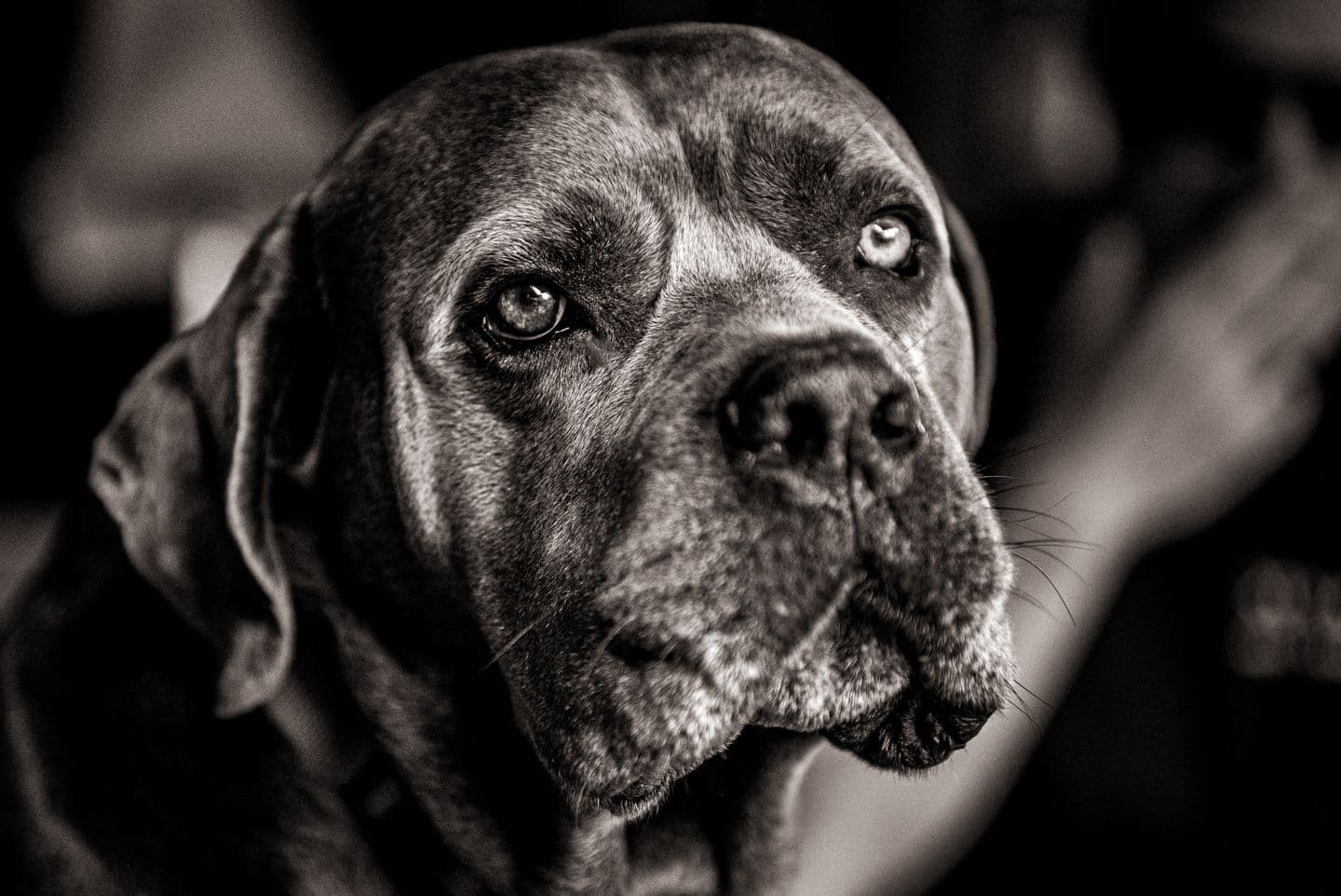
A previously easy-going male dog turning snappy, territorial, or quick to react seemingly out of nowhere is unsettling, and owners often assume something has gone permanently wrong with their dog's te
A previously easy-going male dog turning snappy, territorial, or quick to react seemingly out of nowhere is unsettling, and owners often assume something has gone permanently wrong with their dog's temperament. In most cases, the change has a specific, identifiable driver rather than being a mystery.
The hormonal picture in intact males
In dogs that haven't been neutered, testosterone plays a genuine role in aggression, particularly aggression directed at other male dogs, territorial guarding, and mounting or roaming behaviour. Adolescence, roughly six months to two years depending on breed and size, is when testosterone rises sharply and a dog's confidence and independence increase alongside it, sometimes showing up as pushiness or irritability that looks a lot like a personality change. A nearby female dog in season can also sharply increase tension and reactivity in an intact male, something worth remembering in neighbourhoods with a mix of pet and community dogs. Neutering reduces hormonally driven aggression in a good proportion of dogs, though it does not erase behaviour that has already become a well-practised habit, so training alongside any decision about neutering matters just as much as the procedure itself.
Non-hormonal causes worth ruling out first
Sudden aggression in a male dog, intact or neutered, can equally be driven by pain, thyroid problems, or in older dogs, early cognitive decline, none of which are related to sex hormones at all. A full veterinary check-up, ideally including basic bloodwork, is the sensible first step before assuming the change is purely behavioural or hormonal, since treating an underlying medical cause can resolve the aggression far more reliably than training alone ever could.
Once medical and hormonal factors have been considered, the same principles used for any other type of aggression apply: identify the specific trigger, avoid punishment-based corrections that suppress warning signs rather than the underlying cause, and bring in a certified trainer or veterinary behaviourist for anything beyond mild, occasional grumbling.
A note on neutering timing in India
Vets in India generally recommend neutering between six months and a year of age for most dogs, though the right timing can vary by breed size and individual development, and it is worth discussing with your own vet rather than following a fixed rule. For street-origin and community dogs being adopted, many city animal welfare programmes and NGOs also offer subsidised or free sterilisation, which is worth asking about directly if cost is a concern.
Adolescence versus a lasting temperament change
It helps to distinguish a temporary adolescent phase from a genuine, lasting shift in temperament. Adolescent pushiness typically comes and goes, is inconsistent from day to day, and gradually eases as a dog matures past roughly two years old with continued calm, consistent handling. A true temperament change tends to be more constant, doesn't improve with time, and often has an identifiable trigger such as pain, a specific traumatic event, or a medical condition. Keeping a simple diary of when the aggression shows up, rather than relying on memory, makes it much easier for a vet or behaviourist to tell the two apart.
Beyond the familiar Great Dane and Saint Bernard, a number of large, calm breeds carry the same gentle-giant temperament without quite the same name recognition. Most remain genuinely rare in India, b
A once-bouncy dog that suddenly seems flat, uninterested in walks, and withdrawn from the family is unsettling to watch, and the question that naturally follows is whether dogs can actually feel somet
A healthy dog isn't just a contented one; they're more playful, more energetic and more emotionally settled. As their owner, you're the biggest factor in how well your dog thrives, day in and day out.