New puppy owners are often caught off guard the first time their puppy starts losing fluffy baby fur in noticeable clumps. This is a completely normal developmental stage, not a sign of illness, and u
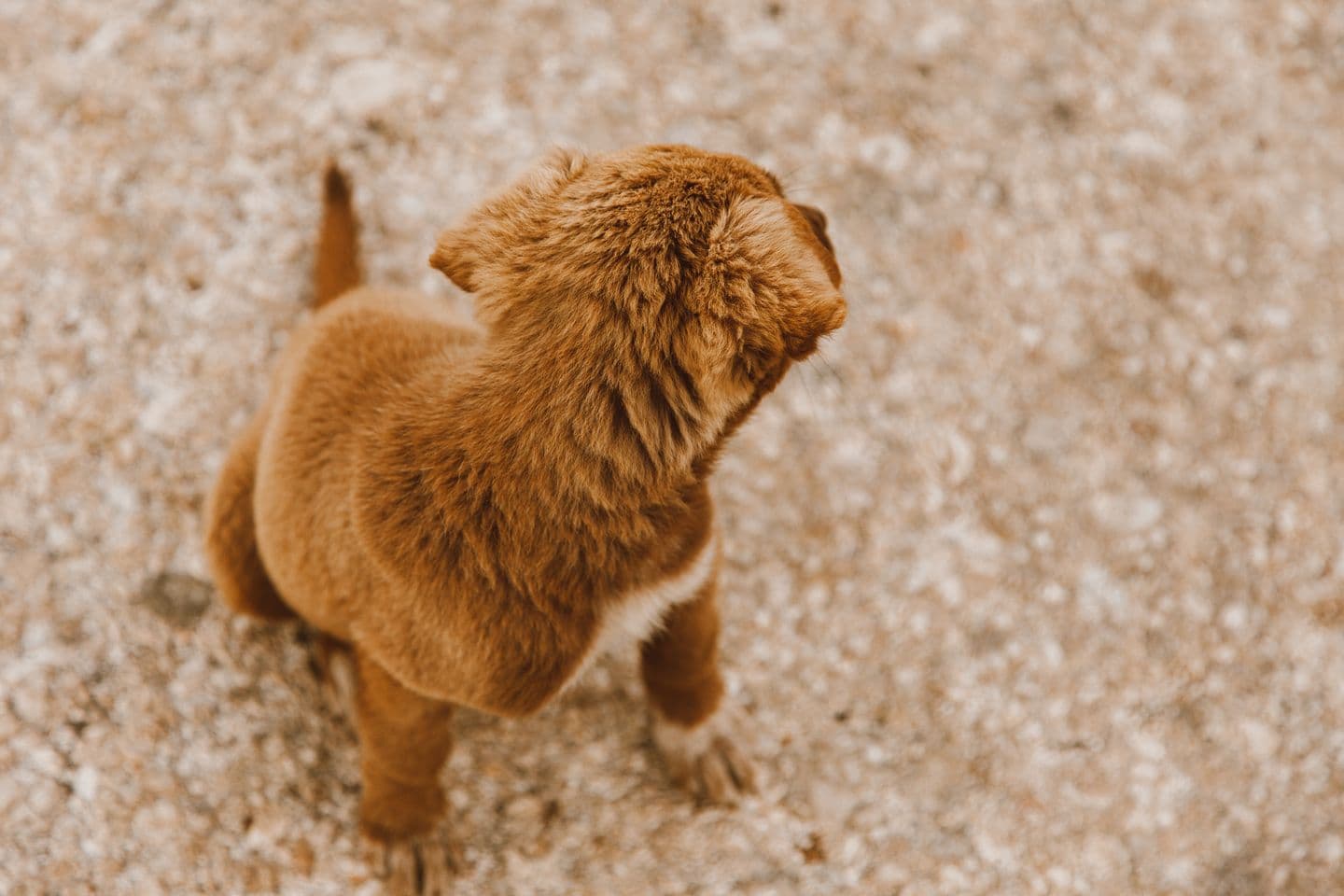
New puppy owners are often caught off guard the first time their puppy starts losing fluffy baby fur in noticeable clumps. This is a completely normal developmental stage, not a sign of illness, and understanding it helps you tell the difference between healthy shedding and something that actually needs a vet's attention.
The coat transition, explained simply
Puppies are born with a soft, fine puppy coat that is different in texture from the coat they will carry as adults. Somewhere between four and six months of age, depending on the breed, this puppy coat begins to shed out and is gradually replaced by the coarser, denser adult coat. This transition is sometimes called blowing coat, and for double-coated breeds in particular, it can look far more dramatic than routine shedding.
What is normal during this phase
Even, diffuse hair loss across the body rather than in bald patches
Skin underneath that looks healthy, not red, flaky, or irritated
A puppy who otherwise seems completely normal in energy and appetite
The process lasting a few weeks rather than persisting indefinitely
Supporting a puppy through the transition
Regular brushing during this phase helps remove loose fur before it mats, and keeps shedding hair off furniture and floors. A good quality, age-appropriate puppy diet supports healthy new coat growth, since coat quality is closely tied to nutrition at this stage of rapid development.
When it is not just coat transition
Bald patches, red or scabby skin, excessive scratching, or hair loss that seems to be worsening rather than settling after a few weeks are worth a vet visit. These can point towards mange, ringworm, allergies, or nutritional gaps rather than a normal coat change, and are more common in puppies with an unclear vaccination or deworming history, which is worth keeping in mind for adopted street puppies.
Timing varies quite a bit by breed
Breeds with a coat that changes texture dramatically between puppy and adult, such as Golden Retrievers, German Shepherds, and Spitz-type breeds, tend to have a more visible, concentrated shedding phase. Breeds with a coat that stays fairly similar in texture throughout life, including many terriers and short-coated Indian indie dogs, often go through this transition far more gradually and with far less noticeable shedding. Neither pattern is a cause for concern, it simply reflects how different coats are built.
Beyond the familiar Great Dane and Saint Bernard, a number of large, calm breeds carry the same gentle-giant temperament without quite the same name recognition. Most remain genuinely rare in India, b
A once-bouncy dog that suddenly seems flat, uninterested in walks, and withdrawn from the family is unsettling to watch, and the question that naturally follows is whether dogs can actually feel somet
A healthy dog isn't just a contented one; they're more playful, more energetic and more emotionally settled. As their owner, you're the biggest factor in how well your dog thrives, day in and day out.