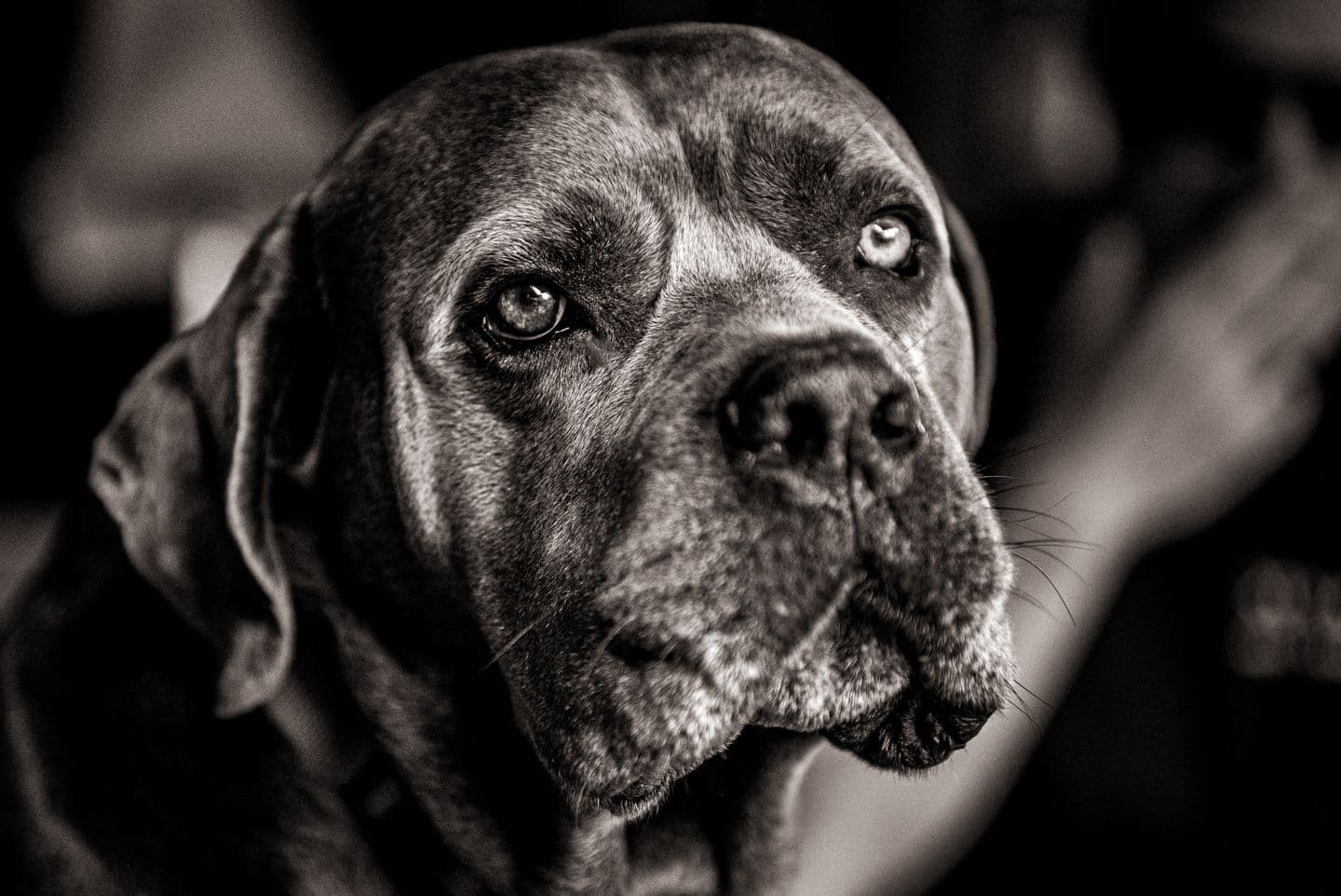
Why the Annual Vet Visit Matters More Than It Seems
It is easy to skip the yearly check-up for a dog that seems perfectly healthy, especially when a vet visit usually means a car ride your dog dislikes and a bill you would rather avoid. But this single
It is easy to skip the yearly check-up for a dog that seems perfectly healthy, especially when a vet visit usually means a car ride your dog dislikes and a bill you would rather avoid. But this single yearly habit catches more silent problems than almost anything else you can do for your dog.
Why dogs need this more than we assume
Dogs age roughly five to seven times faster than people, which means meaningful health changes can develop within a single year between visits. Dogs are also instinctively good at masking pain and illness, a survival trait, which means owners often only notice a problem once it is fairly advanced.
What a thorough annual check-up usually includes
A full physical examination: heart and lung sounds, joints, teeth and gums, eyes, ears, skin and coat, and an abdominal check
Weight tracking, since gradual weight change is often the first sign of a problem
Core vaccinations and boosters as due
A parasite check and deworming update, particularly relevant given India's parasite burden
Bloodwork, more important from around age seven onward, to catch early organ, thyroid, or blood sugar changes
A dental assessment, since dental disease is one of the most common and most overlooked issues in adult dogs
What owners should bring to the appointment
A simple running note of anything unusual over the past year, a lump you noticed, a period of reduced appetite, a limp that came and went, helps enormously, since these small details are exactly what a vet needs to connect to a bigger picture during a short appointment. Senior dogs, generally from age seven or eight depending on breed size, benefit from moving to twice yearly check-ups rather than once, since health changes accelerate in the senior years.
Common Questions
Q: Is yearly bloodwork really necessary if my dog seems fine? A: Increasingly valuable from middle age onward, since bloodwork often catches organ, thyroid, or blood sugar changes well before any outward symptoms appear.
Q: What if my dog is fearful of vet visits? A: Ask your vet about fear-free handling techniques, or whether a calmer appointment time or approach might help reduce the stress of the visit.
Beyond the familiar Great Dane and Saint Bernard, a number of large, calm breeds carry the same gentle-giant temperament without quite the same name recognition. Most remain genuinely rare in India, b
A once-bouncy dog that suddenly seems flat, uninterested in walks, and withdrawn from the family is unsettling to watch, and the question that naturally follows is whether dogs can actually feel somet
A healthy dog isn't just a contented one; they're more playful, more energetic and more emotionally settled. As their owner, you're the biggest factor in how well your dog thrives, day in and day out.