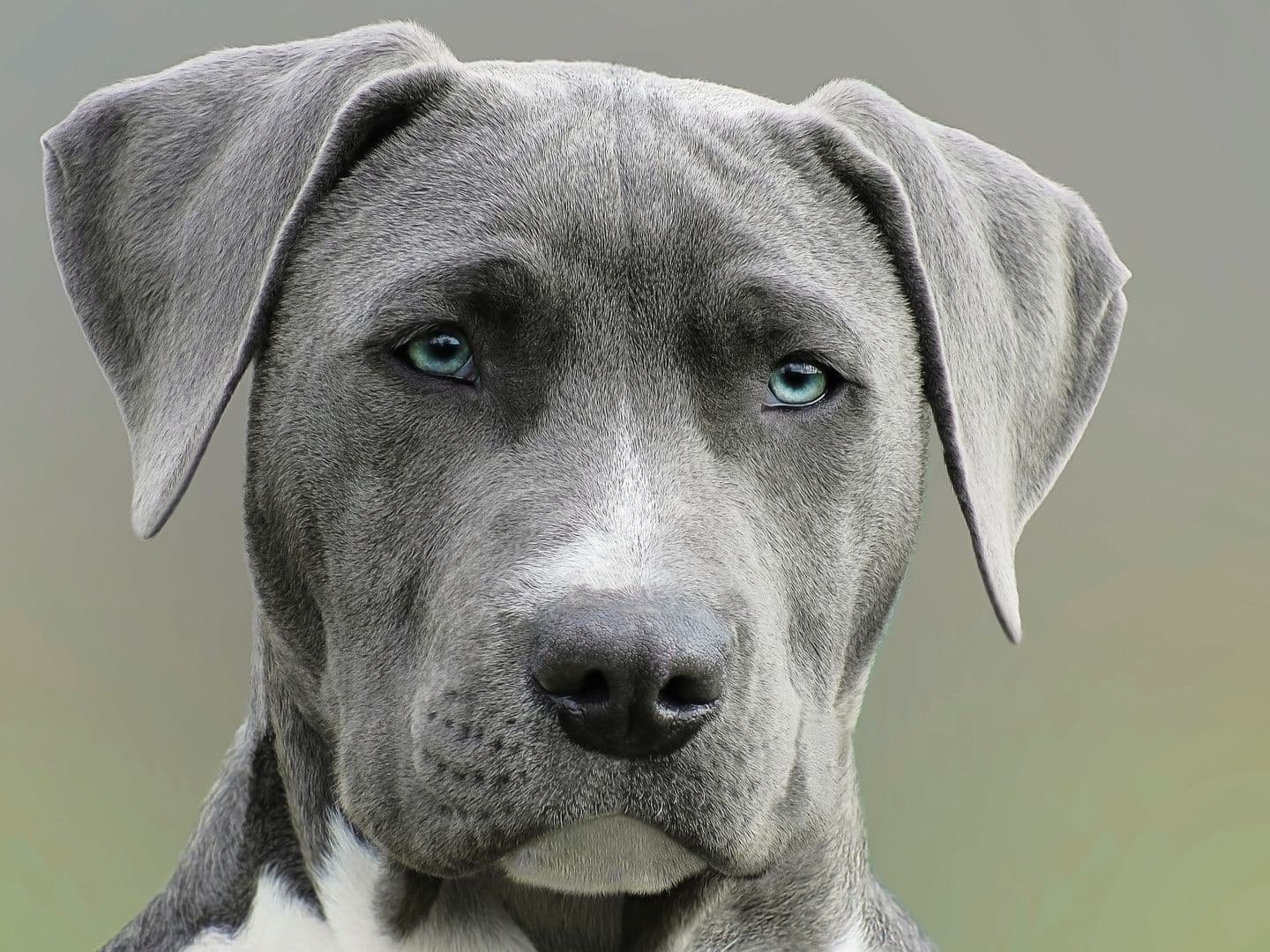
A dog that trails from room to room, waits outside the bathroom door, and resettles the instant you move is often affectionately called a Velcro dog, and in most cases this closeness is a healthy, nor
A dog that trails from room to room, waits outside the bathroom door, and resettles the instant you move is often affectionately called a Velcro dog, and in most cases this closeness is a healthy, normal expression of the deep bond between dogs and people rather than something to worry about.
Why dogs stick so close
Dogs are a profoundly social species that evolved alongside humans over tens of thousands of years, and many rely on a trusted person as what researchers call a secure base, exploring confidently when that person is nearby and showing distress when properly separated, in a pattern similar to a young child's attachment to a caregiver. Some breeds, particularly companion breeds bred specifically to stay close to people, and herding breeds bred to monitor movement, tend towards this more than others by temperament. Learned patterns play a role too: a dog that has consistently received attention, treats, or play for following an owner around the house has simply learned that proximity pays off.
Telling healthy closeness from a problem
The clearest distinguishing test isn't how closely a dog follows while you're together, but how the dog copes when properly left alone. A Velcro dog that settles reasonably calmly with a trusted sitter or in a crate, without prolonged distress, is showing normal, healthy attachment. A dog that panics, destroys things, or vocalises persistently the moment they're separated is likely dealing with separation anxiety rather than simple closeness, and the two call for quite different responses.
Encouraging a little healthy independence
For an owner who would simply like a bit more breathing room, teaching a "place" or "settle" command, where a dog learns to relax on a mat or bed while the owner moves freely around the house, builds comfortable distance without ever making the dog feel shut out or punished. Rewarding a dog for choosing to settle on their own, rather than only ever reinforcing the moment they come find you, gradually shifts the pattern. A sudden, marked increase in following in an older dog is worth mentioning to a vet, since pain, sensory decline, or early cognitive changes can all show up as a dog wanting to stay closer to a trusted person than before.
When one family member becomes the sole focus
In households with several people, a dog often becomes especially attached to one particular person, whether the main caregiver who feeds and walks them or simply the person who was around most during a key bonding period. This is normal and not a sign of favouritism gone wrong, but it's worth other family members building their own bond through feeding, walks, or training sessions occasionally, so the dog has more than one trusted anchor and copes better if the primary person is ever unavailable, whether for a day trip or a longer absence.
Beyond the familiar Great Dane and Saint Bernard, a number of large, calm breeds carry the same gentle-giant temperament without quite the same name recognition. Most remain genuinely rare in India, b
A once-bouncy dog that suddenly seems flat, uninterested in walks, and withdrawn from the family is unsettling to watch, and the question that naturally follows is whether dogs can actually feel somet
A healthy dog isn't just a contented one; they're more playful, more energetic and more emotionally settled. As their owner, you're the biggest factor in how well your dog thrives, day in and day out.