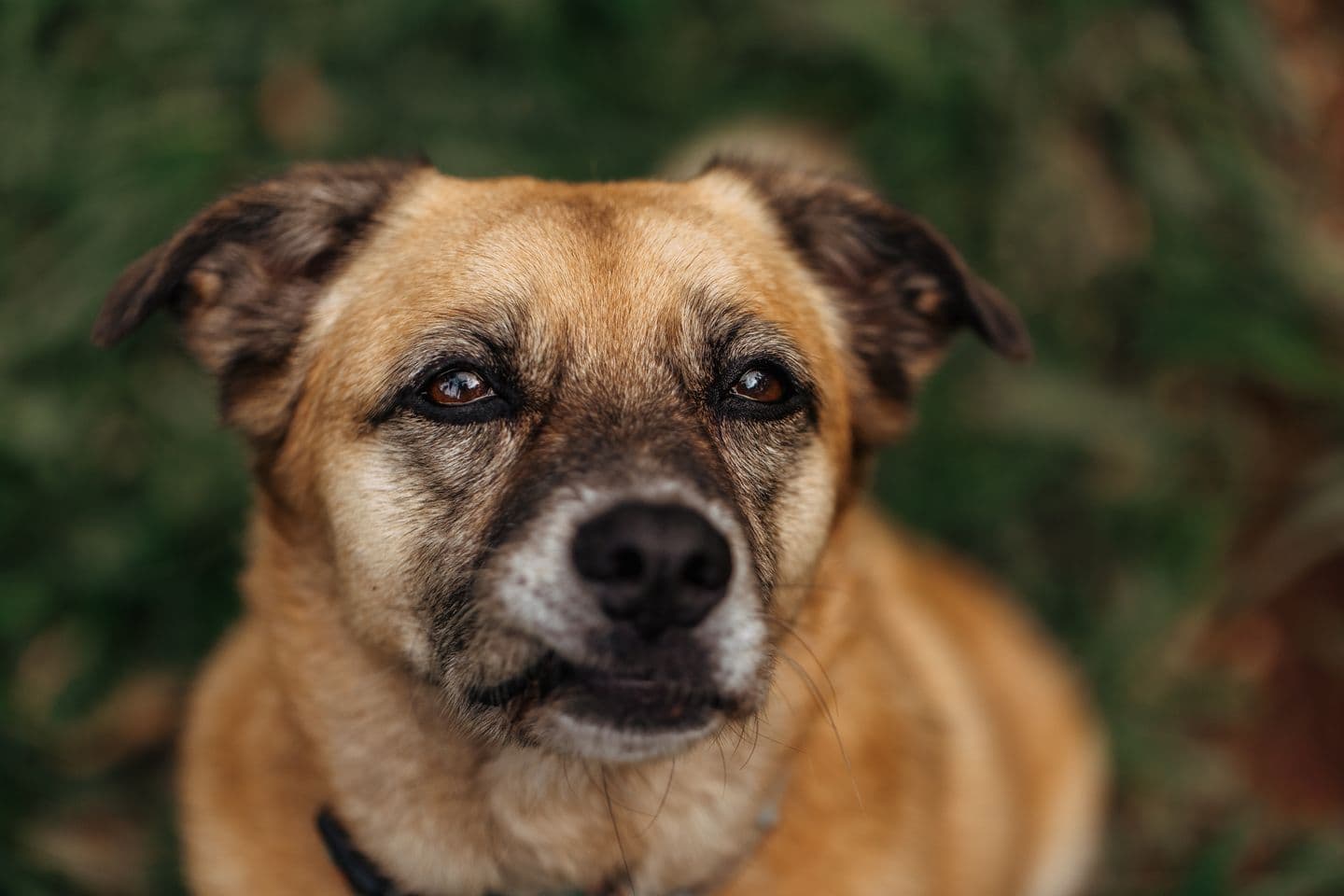
Why Your Dog Keeps Licking the Sofa (And What It's Trying to Tell You)
A dog methodically licking the sofa, a cushion, or a corner of the rug is a common sight in many Indian households, and it usually falls into one of a handful of categories. The behaviour itself is ha
A dog methodically licking the sofa, a cushion, or a corner of the rug is a common sight in many Indian households, and it usually falls into one of a handful of categories. The behaviour itself is harmless in small doses, but persistent or compulsive licking is worth paying attention to.
Boredom is one of the most frequent causes. A dog without enough physical exercise or mental stimulation may simply take to licking nearby surfaces to pass the time, especially during long stretches alone at home. Anxiety and stress work in a similar way: licking releases endorphins and can become a self-soothing habit, much like a child sucking their thumb, and is often triggered by a change in routine, a new pet, or loud outside noise.
Taste and scent are a big part of the picture too. Human skin leaves salt residue on fabric, and a sofa that regularly hosts snacks, chai, or a family meal in front of the television will carry food smells long after it has been wiped down, particularly in the humid stretches of the monsoon when fabric holds odour more than usual. Some dogs also simply enjoy the texture of certain upholstery.
When it points to something medical
Excessive or sudden licking of non-food surfaces can also be linked to nausea, gastrointestinal discomfort, dental pain, or in rarer cases a nutrient deficiency that shows up as pica, the compulsion to eat or lick non-food items. If the licking is constant, hard to redirect, or paired with other changes such as reduced appetite or lethargy, a vet visit is the right first step rather than assuming it is only a habit.
Once medical causes are ruled out, the fix is usually straightforward: more physical and mental enrichment through walks, puzzle feeders, and sniff time, a thorough clean of the licked area with an enzymatic cleaner to remove the scent trail, and a lick mat or appropriate chew as an alternative outlet.
Giving the habit a better outlet
Rather than only trying to stop the licking, it helps to give the dog something more satisfying to do with their mouth. A lick mat smeared with a thin layer of curd or mashed banana, a frozen treat, or a snuffle mat scattered with kibble all channel the same self-soothing urge into something appropriate. For dogs whose licking clearly spikes when left alone, leaving one of these out just before you step away, rather than only using it during the day, can specifically ease the moments that tend to trigger the habit.
Beyond the familiar Great Dane and Saint Bernard, a number of large, calm breeds carry the same gentle-giant temperament without quite the same name recognition. Most remain genuinely rare in India, b
A once-bouncy dog that suddenly seems flat, uninterested in walks, and withdrawn from the family is unsettling to watch, and the question that naturally follows is whether dogs can actually feel somet
A healthy dog isn't just a contented one; they're more playful, more energetic and more emotionally settled. As their owner, you're the biggest factor in how well your dog thrives, day in and day out.