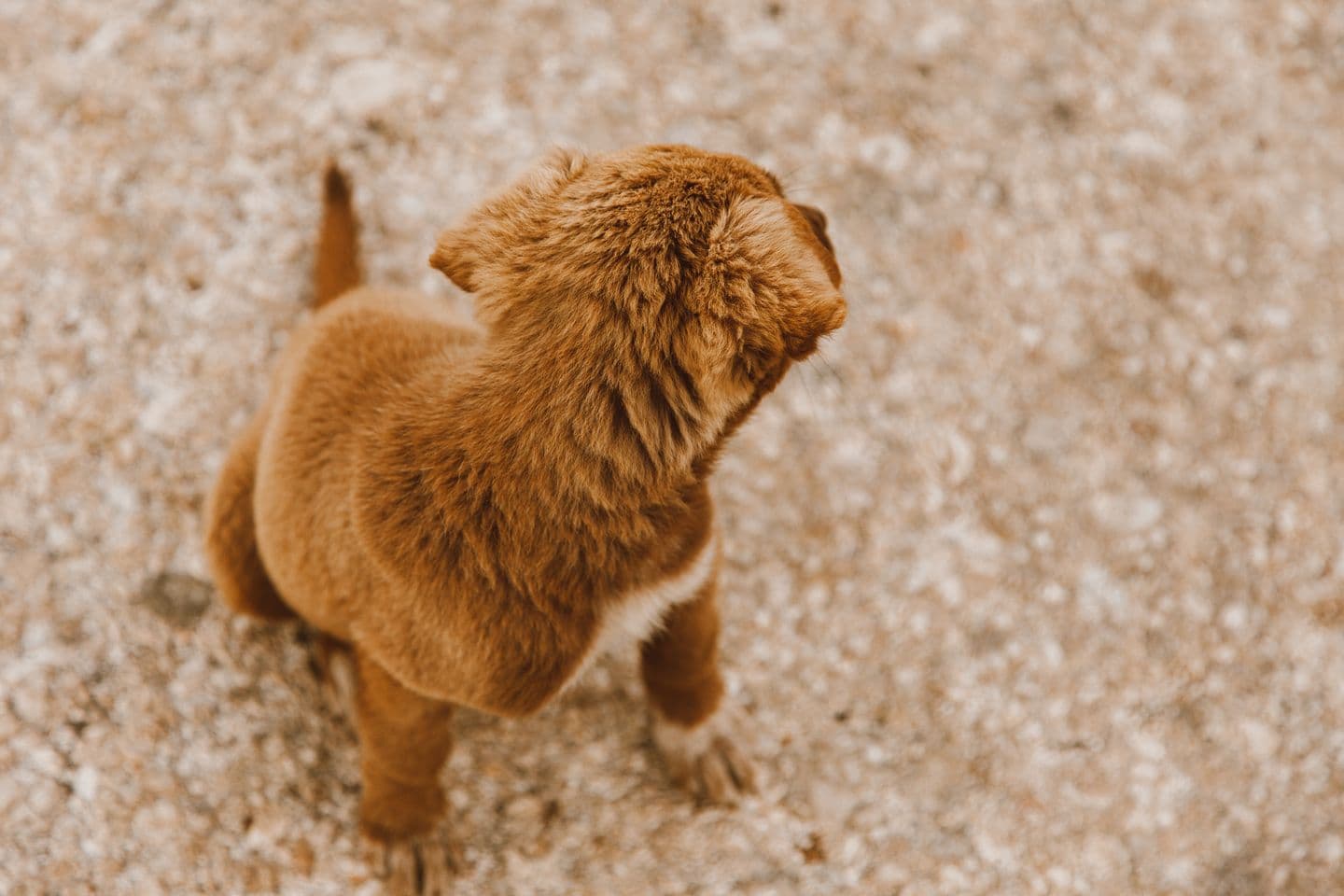
Why Your Puppy Is Skipping Meals, and What Actually Helps
A puppy that turns its nose up at food is one of the more anxiety inducing things a new owner encounters, largely because puppies are supposed to eat like there is no tomorrow. When that enthusiasm su
A puppy that turns its nose up at food is one of the more anxiety inducing things a new owner encounters, largely because puppies are supposed to eat like there is no tomorrow. When that enthusiasm suddenly vanishes, it is worth understanding the difference between a puppy being fussy and a puppy that is genuinely unwell.
True loss of appetite versus fussiness
A puppy with a real medical problem usually shows other signs alongside skipped meals, such as low energy, vomiting, diarrhoea or reluctance to play. A fussy eater, by contrast, is often bright, playful and simply holding out for something tastier, sometimes because too many treats or table scraps have made regular kibble seem unappealing by comparison.
Common reasons puppies go off their food in India
Extreme heat, appetite often genuinely dips during peak summer months in most of the country
A recent vaccination or deworming dose, mild appetite loss for a day is common and expected
Teething discomfort, which can make chewing hard kibble briefly unpleasant
A sudden diet change, especially switching brands too quickly
Stress from a house move, new family member, or loud festival noise
Underlying illness, including parvovirus, intestinal parasites, or an obstruction from a swallowed object
When it is a genuine emergency
A puppy under six months that refuses food for more than twelve to twenty four hours needs veterinary attention, and sooner if there is any vomiting, diarrhoea, lethargy or a swollen abdomen alongside it. Small and toy breed puppies can develop dangerously low blood sugar quickly when they stop eating, so this age group deserves an even shorter leash on how long to wait before calling the vet.
Practical steps for a fussy but otherwise healthy puppy
Stick to fixed meal times and pick up uneaten food after twenty minutes rather than leaving it out all day
Cut out between meal treats and table scraps for a few days to reset appetite
Warm the food slightly or add a small amount of warm water to release more aroma
Avoid hand feeding as a long term habit, it can turn into a pattern the puppy comes to expect
Cooling meals for hot weather
During the hottest months, offering meals in the cooler parts of the day, early morning and after sunset, often revives a flagging appetite better than any change to the food itself. Some owners in India also find success adding a spoon of plain curd or a few ice cubes to the water bowl, which many dogs find more appealing in extreme heat.
Two very different problems that look the same
Vets distinguish between a puppy that has no interest in food at all, and one that wants to eat but physically cannot manage it, whether from mouth pain, a sore throat, nausea or an obstruction somewhere along the digestive tract. Watching how the puppy behaves near its bowl is a useful clue, a puppy that approaches food eagerly, sniffs it, and then backs away or drops it after trying to chew is telling a very different story to one that walks past the bowl with no interest whatsoever. Mention this distinction to your vet, since it changes what they check first.
Beyond the familiar Great Dane and Saint Bernard, a number of large, calm breeds carry the same gentle-giant temperament without quite the same name recognition. Most remain genuinely rare in India, b
A once-bouncy dog that suddenly seems flat, uninterested in walks, and withdrawn from the family is unsettling to watch, and the question that naturally follows is whether dogs can actually feel somet
A healthy dog isn't just a contented one; they're more playful, more energetic and more emotionally settled. As their owner, you're the biggest factor in how well your dog thrives, day in and day out.