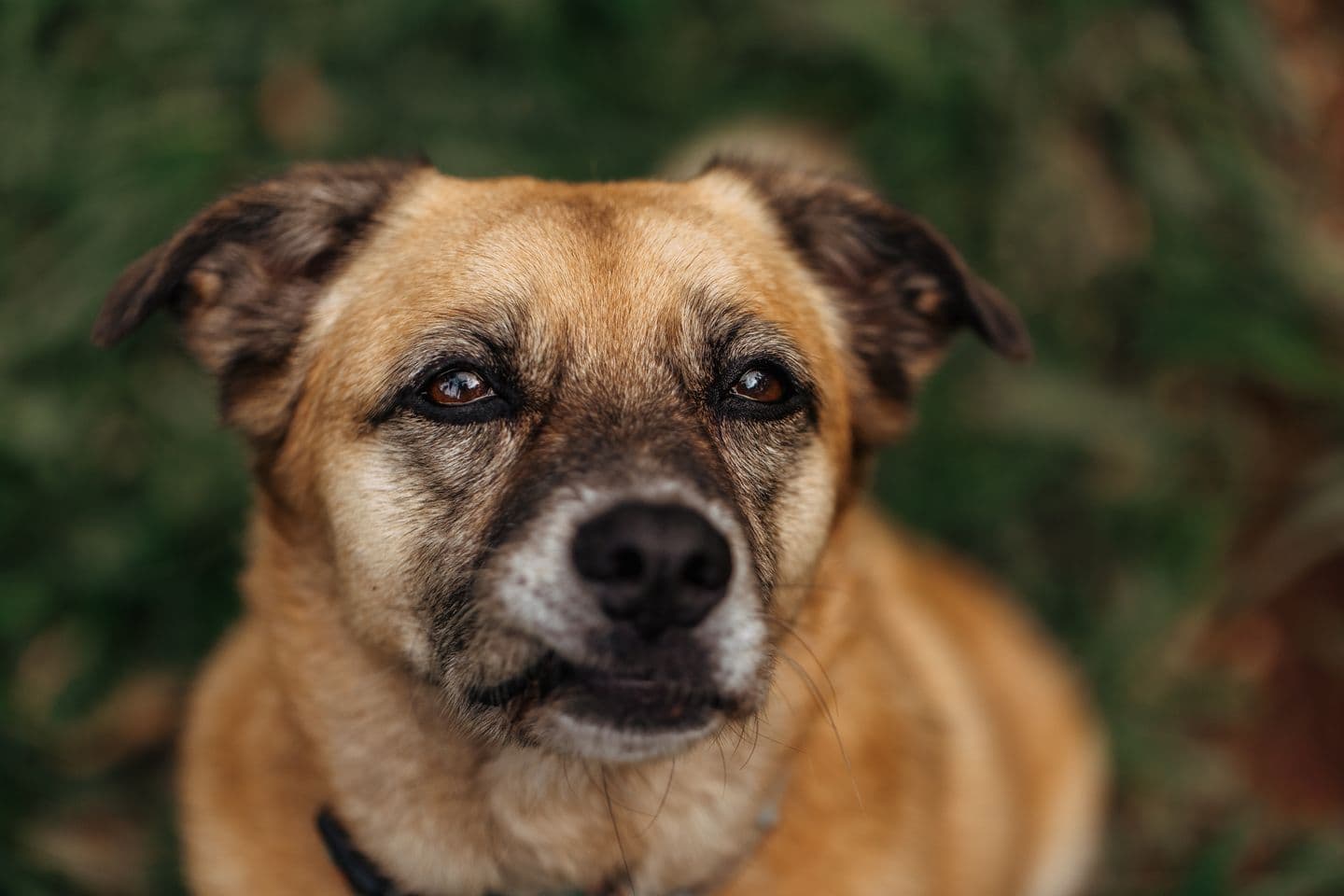
In human culture, yawning signals tiredness or boredom. In dog communication, yawning serves a very different purpose — it is one of the primary "calming signals" in the canine behavioural repertoire.
In human culture, yawning signals tiredness or boredom. In dog communication, yawning serves a very different purpose — it is one of the primary "calming signals" in the canine behavioural repertoire.
Dogs yawn to:
Self-soothe when they feel stressed
Signal to other dogs or humans that they are not a threat
De-escalate social tension
Common contexts:
A dog that yawns during a training session may not be bored — it may be mildly stressed by the pressure to perform
A dog that yawns when a stranger reaches toward it is communicating discomfort
Recognising the context of a yawn — whether the dog is in a relaxed setting or a tense one — transforms it from an overlooked reflex into a clear behavioural signal.
Beyond the familiar Great Dane and Saint Bernard, a number of large, calm breeds carry the same gentle-giant temperament without quite the same name recognition. Most remain genuinely rare in India, b
A once-bouncy dog that suddenly seems flat, uninterested in walks, and withdrawn from the family is unsettling to watch, and the question that naturally follows is whether dogs can actually feel somet
A healthy dog isn't just a contented one; they're more playful, more energetic and more emotionally settled. As their owner, you're the biggest factor in how well your dog thrives, day in and day out.