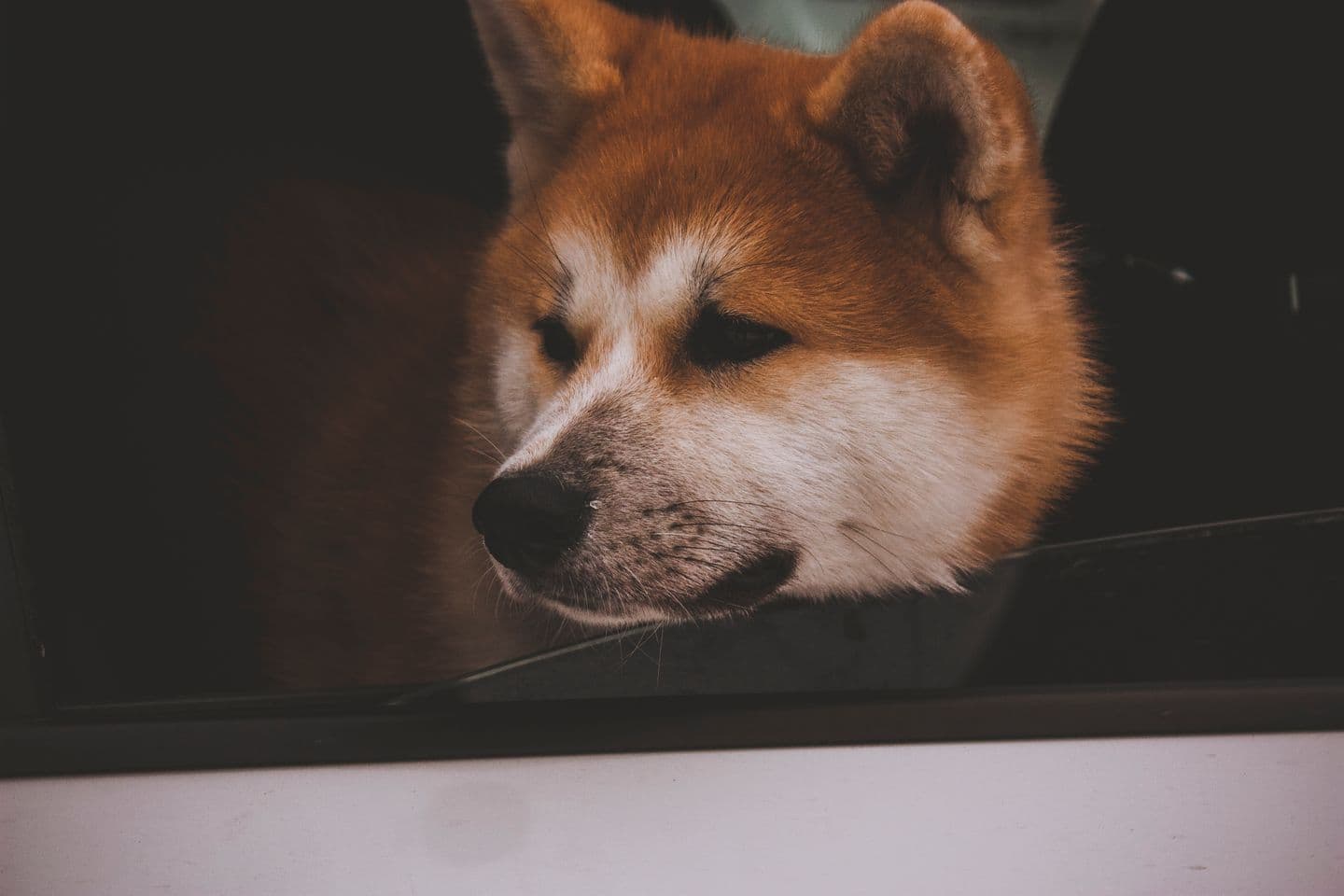
Akita Dog: Traits, History and an Honest Care Guide for India
Dignified, fiercely loyal and steeped in Japanese cultural history, the Akita's thick cold-climate coat makes it one of the more demanding breeds to keep comfortable in Indian heat.
Dignified, fiercely loyal and steeped in Japanese cultural history, the Akita's thick cold-climate coat makes it one of the more demanding breeds to keep comfortable in Indian heat.
The Akita originated in the mountains of northern Japan's Akita Prefecture, bred by hunters to track boar, elk and even bear across heavy snow and dense forest. Japan designated the breed a natural monument in 1931, and it holds an almost mystical status in Japanese culture, reinforced internationally by the true story of Hachiko, an Akita who continued waiting at a Tokyo train station for his deceased owner for nearly a decade. Helen Keller brought the first Akita to the United States in 1937, a gift from a tour of Japan.
Temperament
Extremely loyal and devoted to family, often following an owner from room to room without being intrusive.
Reserved and dignified with strangers, rarely showering affection outside its close circle.
Prone to same-sex dog aggression, a well documented breed trait that makes careful introductions and management around other dogs important.
Bold and strong willed, with a naturally well developed guarding and protective instinct.
Size and exercise
Akitas are large, powerfully built dogs, standing 58 to 66 centimetres at the shoulder and weighing 34 to 54 kilograms, with a lifespan typically in the 10 to 13 year range. They require at least an hour of daily exercise, ideally a mix of physical activity like jogging or vigorous play and mental challenges such as scent work or obedience training. A well fenced yard matters, since Akitas are capable jumpers when motivated.
Heat tolerance
This is the breed's clearest weakness for Indian ownership. Bred for snowy, cold conditions, the Akita is prone to overheating in warm weather, and its thick double coat, while it does shed somewhat to lighten the load in warmer months, remains a genuine liability through an Indian summer. Indian breed guides are candid that Akitas suit cities with milder climates far better than the hot, humid conditions found across most of the country, and that native breeds like the Rajapalayam or Mudhol Hound, built for Indian heat from the outset, generally cope better.
What ownership actually requires
Shaded outdoor space and constant access to fresh water, with outdoor activity scheduled around the cooler parts of the day.
A secure, well fenced property, ideally a farmhouse or independent home rather than a compact apartment.
Twice yearly heavy shedding, known as blowing coat, which needs more frequent brushing during those weeks.
Early, thorough socialisation given the breed's strong guarding instinct and tendency toward dog-to-dog tension.
Is an Akita right for an Indian home
For an experienced owner in a cooler Indian city or hill region, with space and a genuine commitment to training and heat management, the Akita is an exceptionally loyal, dignified companion. For most of the country's hot, humid cities, the honest picture is that this is a demanding breed to keep comfortable, and prospective owners should weigh that seriously against the breed's undeniable appeal.
Tags: Akita dog, Akita India, Japanese dog breeds, dog breeds heat tolerance India
Beyond the familiar Great Dane and Saint Bernard, a number of large, calm breeds carry the same gentle-giant temperament without quite the same name recognition. Most remain genuinely rare in India, b
A once-bouncy dog that suddenly seems flat, uninterested in walks, and withdrawn from the family is unsettling to watch, and the question that naturally follows is whether dogs can actually feel somet
A healthy dog isn't just a contented one; they're more playful, more energetic and more emotionally settled. As their owner, you're the biggest factor in how well your dog thrives, day in and day out.