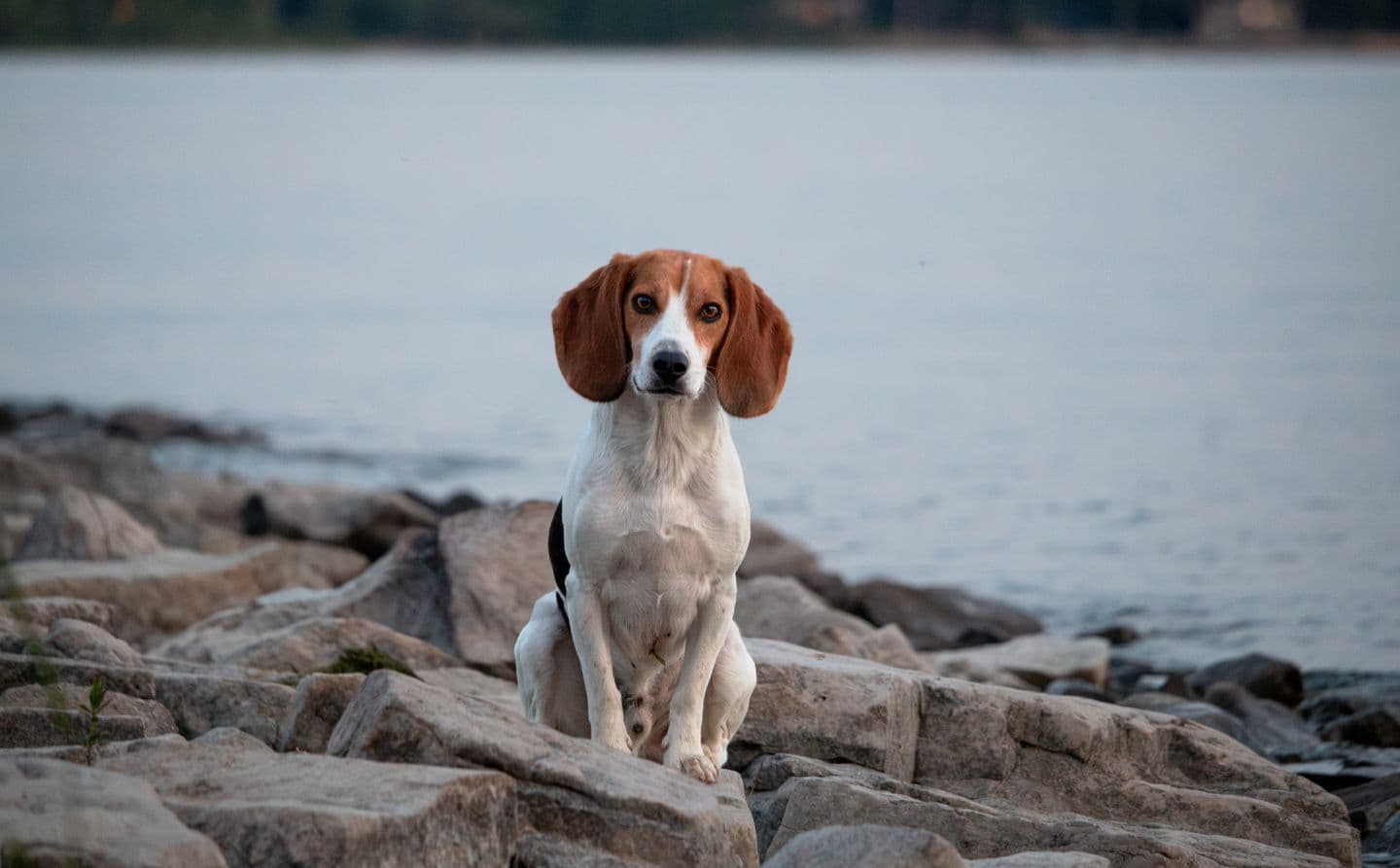
Cheerful, food-motivated, and endlessly curious, the Beagle has become one of the most popular small to medium breeds in Indian cities, prized for its manageable size, friendly nature, and genuine eas
Cheerful, food-motivated, and endlessly curious, the Beagle has become one of the most popular small to medium breeds in Indian cities, prized for its manageable size, friendly nature, and genuine ease with apartment living.
Origin and History
The Beagle was developed in England as a scent hound for hunting hare, working in packs guided by one of the keenest noses in the dog world. That nose-first nature has carried straight through into its modern role as a companion, and it still explores the world primarily by smell rather than sight.
Physical Characteristics
A compact, muscular breed, generally 33 to 41 centimetres at the shoulder.
Large, expressive eyes and long, velvety ears.
A smooth, short coat, easy to maintain in Indian conditions.
Common colours include tricolour, red and white, and lemon and white.
Temperament
Beagles are friendly, social, and generally excellent with children, which is a large part of why they have become such a common choice for Indian families. They are also famously food-driven, vocal, and persistent when bored, traits that show up as counter-surfing, baying, or determined escape attempts if under-exercised.
Living with a Beagle in India
Beagles adapt well to Indian cities and are considered a solid choice for first-time owners, though a few Indian-specific care points matter.
Manage food strictly: obesity is the single most common health issue in Beagles, and Indian households often unintentionally reinforce overfeeding as a form of affection.
Walk during cooler hours: the short coat handles Indian heat reasonably well, but midday walks in peak summer should be avoided.
Check ears weekly: long, floppy ears trap moisture, which becomes more of a concern during the humid monsoon months, though over-cleaning can disrupt natural ear flora, so clean only when visibly dirty.
Keep the nose busy: scent games, puzzle feeders, and regular walks with sniffing time help offset the boredom that drives destructive behaviour.
Watch for common health issues: epilepsy, hypothyroidism, and eye conditions are worth discussing with a vet as part of routine check-ups.
Beyond the familiar Great Dane and Saint Bernard, a number of large, calm breeds carry the same gentle-giant temperament without quite the same name recognition. Most remain genuinely rare in India, b
A once-bouncy dog that suddenly seems flat, uninterested in walks, and withdrawn from the family is unsettling to watch, and the question that naturally follows is whether dogs can actually feel somet
A healthy dog isn't just a contented one; they're more playful, more energetic and more emotionally settled. As their owner, you're the biggest factor in how well your dog thrives, day in and day out.