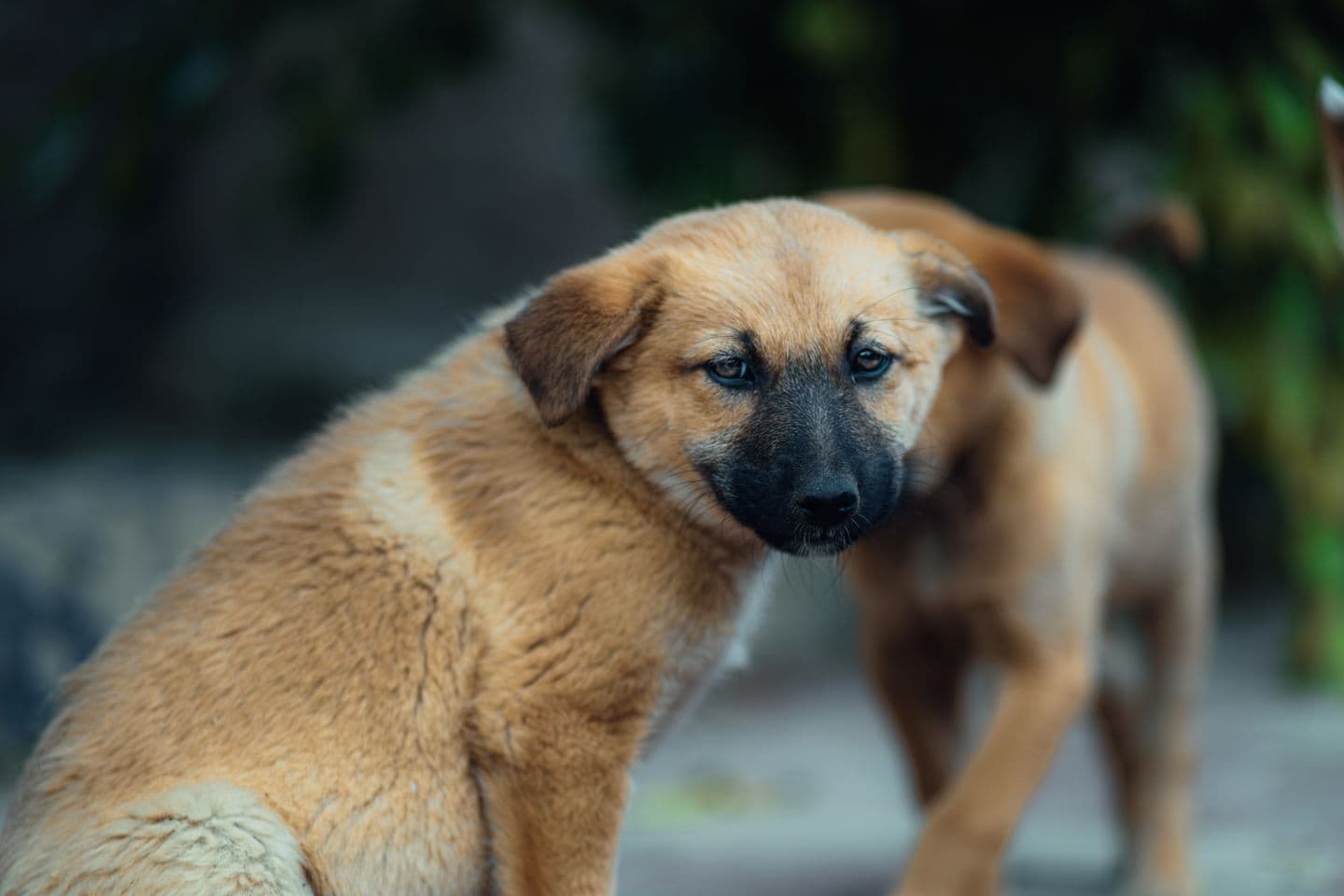
Also known as the Alabai, this is one of the oldest livestock guardian breeds alive, and one of the least suited to casual ownership.
The Central Asian Shepherd, commonly called the Alabai, traces back thousands of years to the nomadic herding cultures of Turkmenistan, Uzbekistan, Kazakhstan and the wider Central Asian steppe. It was bred for one purpose: to stand between livestock and predators such as wolves, and to make that decision without waiting for instructions. That history is still visible in every part of the breed's temperament.
Size and build
This is a genuinely large dog, with males commonly reaching 65 kilograms or more and a build described by breed clubs as massive rather than athletic. The dense double coat, whether short or long, was designed for mountain winters, not for a plains city where summer temperatures regularly cross 40 degrees.
Temperament
Fiercely loyal to its own family, often reserved or suspicious of strangers.
Independent to the point of stubbornness, since the breed was never meant to take constant direction from a handler.
Naturally territorial, which makes it an effective guardian for farmhouses and estates but a poor fit for busy households with frequent visitors.
Calm and undemanding indoors once mature, though puppies and young dogs need firm, consistent boundaries.
Why this is not a first dog
Alabais respond poorly to harsh handling but equally poorly to an inexperienced owner who cannot set boundaries early. Without structured socialisation from puppyhood, the breed's natural wariness of strangers can tip into serious aggression. Most breed guardians and Alabai owners abroad are explicit on this point: this is a dog for someone who has already handled a large, strong willed guardian breed, not someone getting their first dog.
Health, grooming and lifespan
Well bred Central Asian Shepherds are a relatively hardy breed, with a life expectancy of around 12 to 15 years, longer than many giant breeds manage. As with most large dogs, hip and elbow dysplasia are worth screening for in breeding lines, and the dense coat sheds heavily during seasonal changes, needing more frequent brushing through those weeks to prevent matting. Day to day upkeep is otherwise straightforward: routine nail care, ear checks and a diet suited to a large, slow maturing breed, since Alabais can take up to three years to reach full physical and mental maturity.
Living with one in India
The Central Asian Shepherd is best suited to farmhouses, large independent properties or estates with outdoor space, where its guarding instinct has a genuine purpose. Coat care matters through the monsoon and summer months, with regular brushing to manage shedding and shaded, ventilated outdoor space essential, since the breed's cold climate origins make it far more heat sensitive than native Indian guardian breeds. Apartment living is not realistic for a dog this size and this independent minded.
For the right property and the right owner, an Alabai is an extraordinarily capable guardian. For anyone drawn to the breed mainly for its imposing look, it is worth remembering that the dog's needs, not its appearance, should decide whether it belongs in the home.
Tags: Central Asian Shepherd, Alabai, guardian dog breeds, dog breeds India
Beyond the familiar Great Dane and Saint Bernard, a number of large, calm breeds carry the same gentle-giant temperament without quite the same name recognition. Most remain genuinely rare in India, b
A once-bouncy dog that suddenly seems flat, uninterested in walks, and withdrawn from the family is unsettling to watch, and the question that naturally follows is whether dogs can actually feel somet
A healthy dog isn't just a contented one; they're more playful, more energetic and more emotionally settled. As their owner, you're the biggest factor in how well your dog thrives, day in and day out.