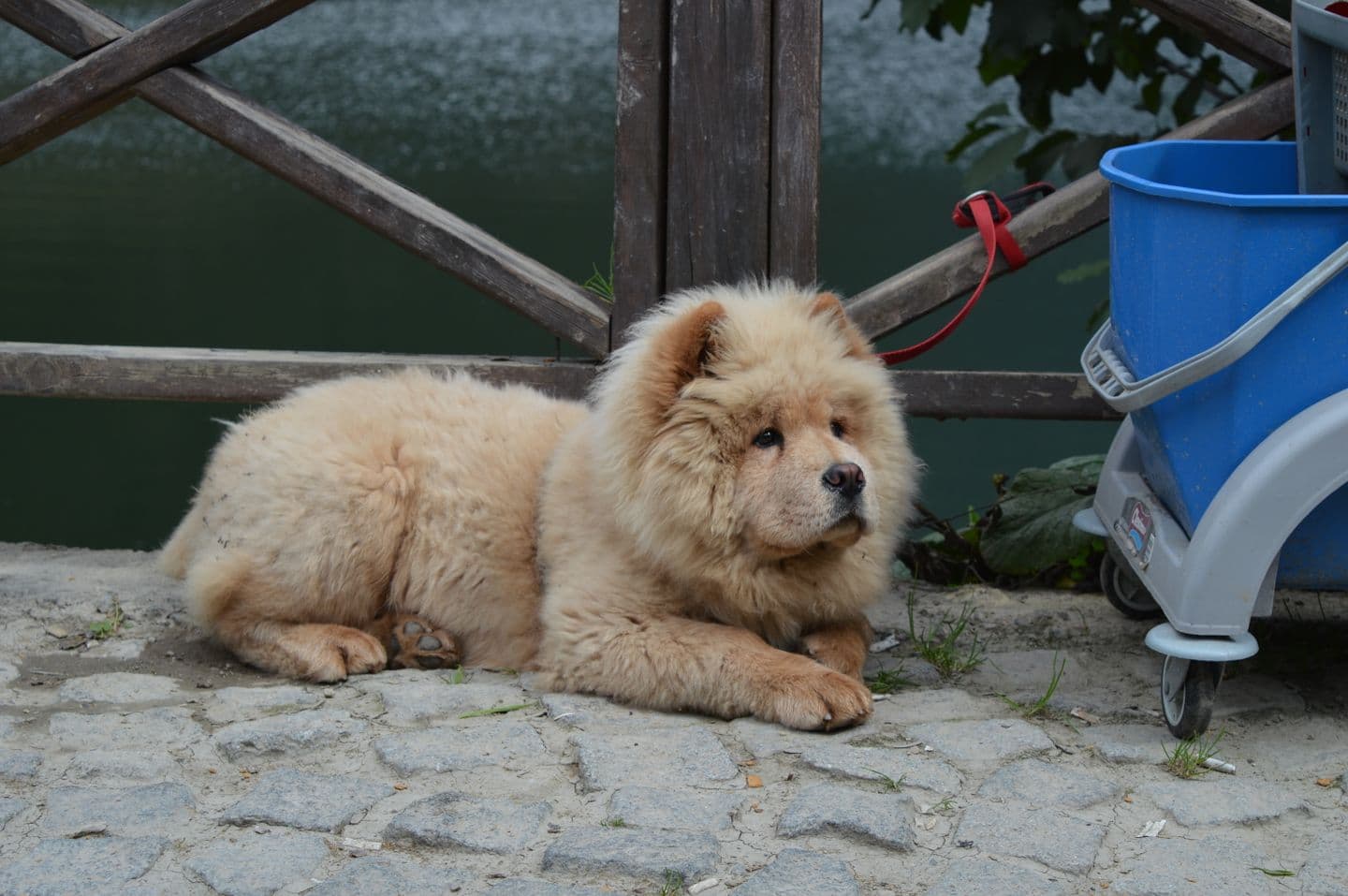
Chow Chow: Temperament and Care Guide for Indian Summers
Few breeds look as regal, or ask as much of their owners in an Indian climate, as the Chow Chow. With its lion-like mane, distinctive blue-black tongue and famously aloof expression, the Chow Chow has
Few breeds look as regal, or ask as much of their owners in an Indian climate, as the Chow Chow. With its lion-like mane, distinctive blue-black tongue and famously aloof expression, the Chow Chow has a history stretching back over two thousand years in northern China, where it was developed as a guard and companion dog for a cold, dry climate. That origin story is the single most important thing to understand before bringing one into an Indian home.
Personality
Chow Chows are independent, dignified and selective about affection, more likely to bond deeply with one person than to greet the whole household with enthusiasm. They are intelligent but not eager to please in the way that, say, a Labrador is, which makes training a slower, more patience-driven process. Early socialisation matters a great deal with this breed, since an under-socialised Chow can become wary or reactive around strangers and other dogs.
Life in Indian conditions
This is the breed where Indian climate needs the most serious planning. The Chow Chow's dense double coat, built for cold northern winters, makes it genuinely vulnerable to heatstroke once temperatures cross the low thirties, a threshold much of India crosses for several months a year. Outdoor activity needs to be limited to early morning and late evening through summer, and air conditioning during the hottest part of the day is close to a necessity rather than a comfort in most Indian cities. Owners in coastal or northern plains cities in particular should think hard about whether they can realistically provide this level of climate control before choosing the breed.
Grooming and health
The coat demands daily attention. Brushing down to the skin, not just the surface, prevents the dense undercoat from matting into a solid layer that traps moisture and causes painful hot spots, a common problem during India's humid monsoon. Professional grooming every four to six weeks, including a proper blow-out of the undercoat, helps the dog's natural cooling system work as intended. Shaving the coat is not the solution it appears to be, since the coat also protects against sunburn.
Health-wise, watch for hip dysplasia, eye conditions and skin infections linked to coat maintenance, alongside the ever-present risk of heat-related illness.
Beyond the familiar Great Dane and Saint Bernard, a number of large, calm breeds carry the same gentle-giant temperament without quite the same name recognition. Most remain genuinely rare in India, b
A once-bouncy dog that suddenly seems flat, uninterested in walks, and withdrawn from the family is unsettling to watch, and the question that naturally follows is whether dogs can actually feel somet
A healthy dog isn't just a contented one; they're more playful, more energetic and more emotionally settled. As their owner, you're the biggest factor in how well your dog thrives, day in and day out.