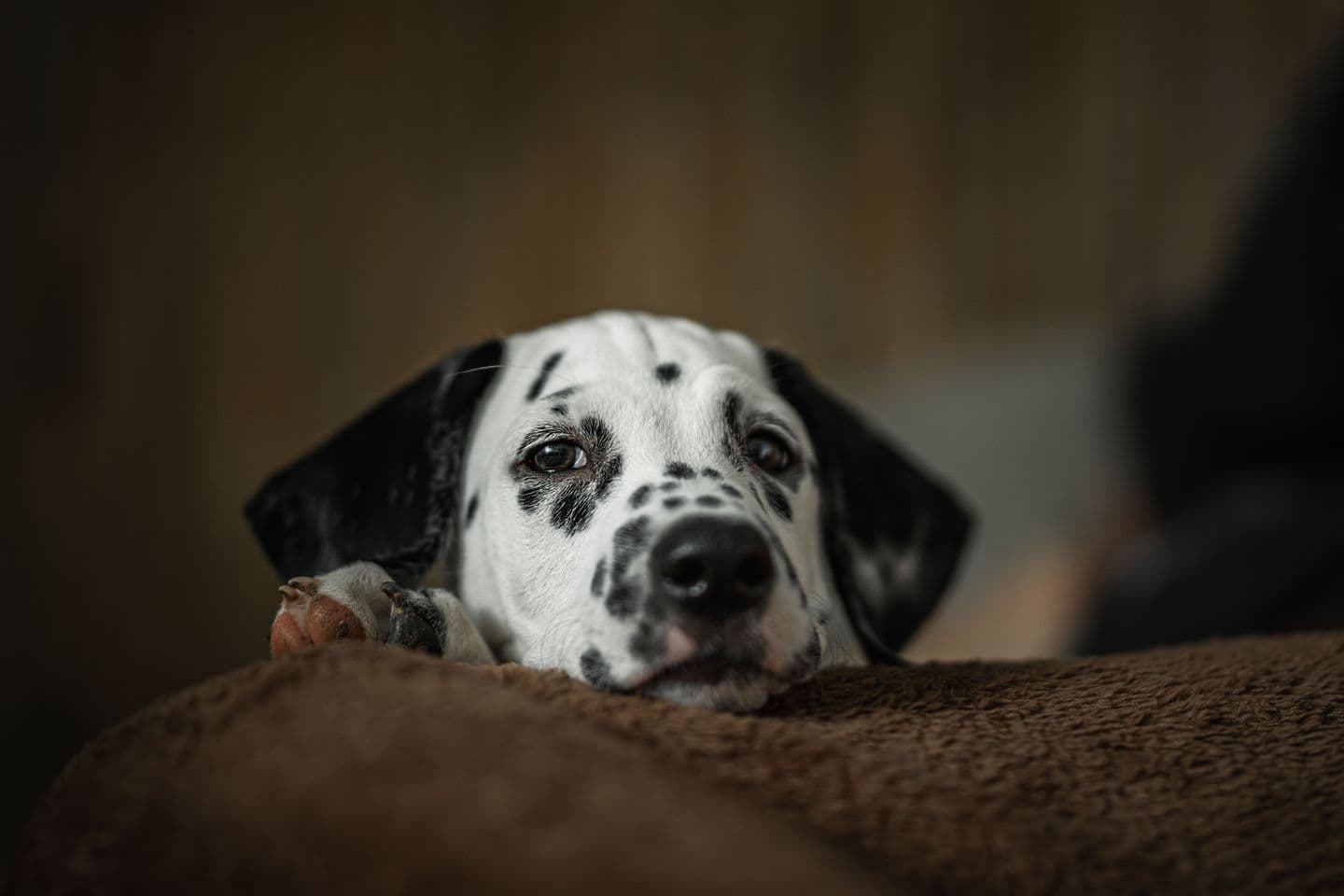
Dalmatian: Temperament and Care Guide for Indian Homes
Long before it became a household name through film, the Dalmatian had a genuinely demanding job. Historically used as a carriage dog, running alongside horse-drawn coaches for miles at a stretch, the
Long before it became a household name through film, the Dalmatian had a genuinely demanding job. Historically used as a carriage dog, running alongside horse-drawn coaches for miles at a stretch, the breed's build reflects that history: lean, athletic and built for sustained movement rather than short bursts of energy.
Personality
Dalmatians are affectionate, playful and deeply attached to their families, often described as sensitive to being left alone for long periods. They are intelligent and quick to learn, though a streak of independence means training benefits from patience and consistency rather than repetition alone. This is not a breed for someone seeking a low-energy companion.
Life in Indian conditions
Of the breeds in this group, the Dalmatian is one of the better suited to Indian climate. The short, sleek coat sheds heat far more efficiently than the double coats carried by breeds like the Chow Chow, which means Dalmatians generally tolerate Indian summers reasonably well, provided the basics are respected: exercise during cooler hours, shade and constant access to water. What Indian owners underestimate more often is the exercise requirement itself. This breed genuinely needs sustained daily activity, well beyond a short leash walk, to stay physically and mentally settled.
Grooming and health
Despite the short coat, Dalmatians shed steadily throughout the year, and regular brushing helps manage this more than most owners expect. Two health points deserve particular attention for this breed. First, the Dalmatian carries the highest rate of congenital deafness of any breed. Historical data from the United States puts the figure as high as 30 percent, split roughly between 8 percent born deaf in both ears and 22 percent deaf in one, though careful, deliberate breeding has brought this down meaningfully in well-managed bloodlines, with more recent UK figures closer to 18 percent. Every reputable breeder should BAER test puppies for hearing before they go to new homes, and prospective owners should always ask to see those results. Second, the breed has an unusual uric acid metabolism that predisposes it to urinary stones, which makes diet, particularly protein source and hydration, more important here than in most breeds.
Beyond the familiar Great Dane and Saint Bernard, a number of large, calm breeds carry the same gentle-giant temperament without quite the same name recognition. Most remain genuinely rare in India, b
A once-bouncy dog that suddenly seems flat, uninterested in walks, and withdrawn from the family is unsettling to watch, and the question that naturally follows is whether dogs can actually feel somet
A healthy dog isn't just a contented one; they're more playful, more energetic and more emotionally settled. As their owner, you're the biggest factor in how well your dog thrives, day in and day out.