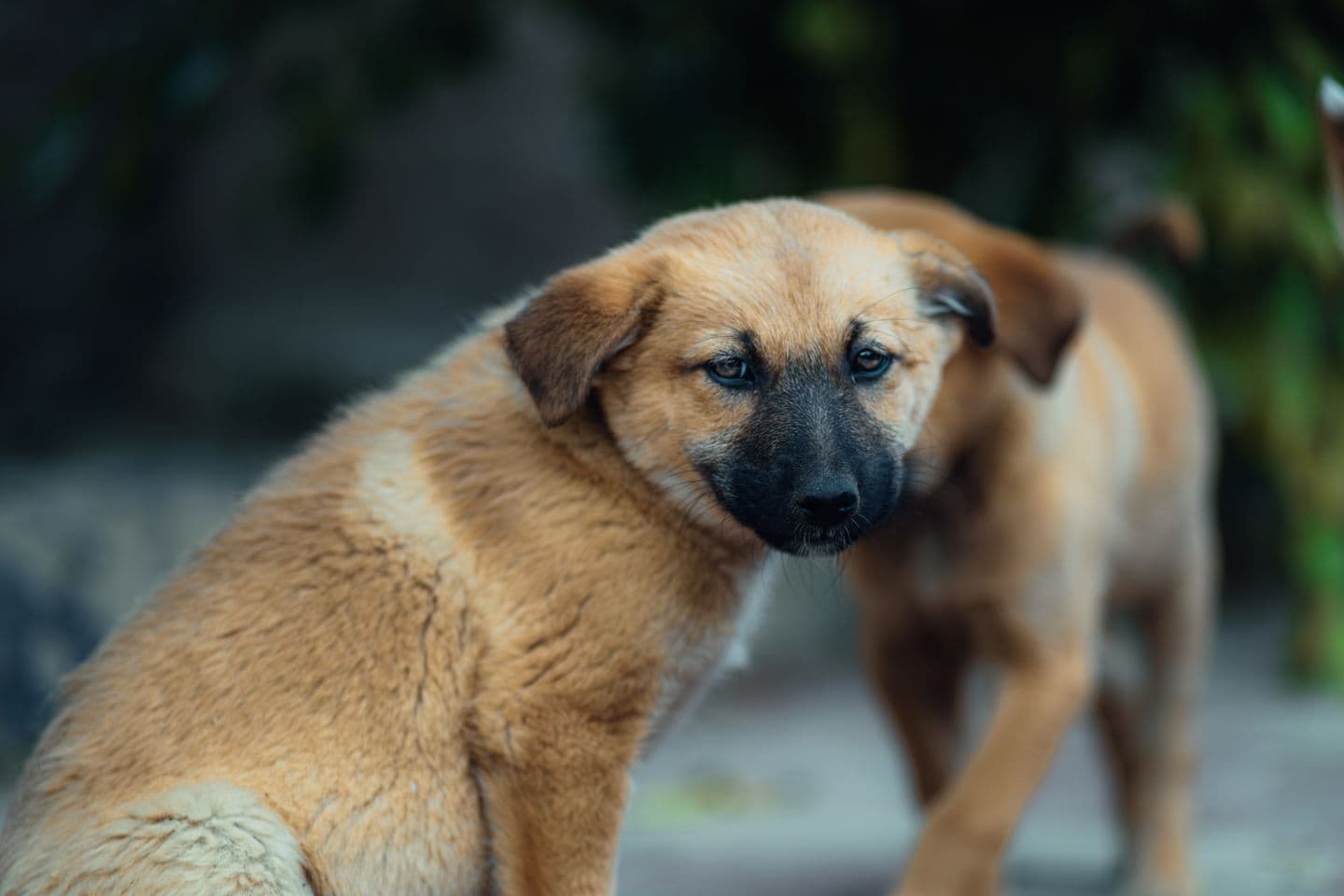
German Spitz: Temperament and Care, and How It Differs from the Indian Spitz
Ask most Indians about a Spitz and they will picture the fluffy white dog that has been a fixture of Indian households since the 1980s. What many do not realise is that the dog they are picturing, the
Ask most Indians about a Spitz and they will picture the fluffy white dog that has been a fixture of Indian households since the 1980s. What many do not realise is that the dog they are picturing, the Indian Spitz, is actually a distinct breed descended from the German Spitz, developed after generations of cross-breeding with hardy local Indian dogs for better heat tolerance and disease resistance.
The German Spitz itself
The true German Spitz, less commonly seen in India today than its local descendant, is a compact, fox-faced dog with a thick double coat, alert temperament and a strong watchdog instinct. The breed actually comes in three recognised sizes under FCI standards, the Klein (small), Mittel (medium) and Gross (large), so a German Spitz can range from a compact lapdog to a sturdy, medium-built companion depending on the variety. It is intelligent, affectionate with its family and typically wary of strangers, a trait that made it a popular household guardian across Europe long before it reached Indian shores.
German Spitz versus Indian Spitz
The two breeds look remarkably alike, erect ears, curled tail, dense coat, but their suitability for Indian conditions differs. The Indian Spitz, having been bred specifically for heat tolerance over decades, generally handles Indian summers better than a purebred German Spitz, whose coat and metabolism are still closer to its European ancestors. If climate resilience is the priority, the Indian Spitz is usually the better-adapted choice, while the German Spitz appeals more to owners specifically seeking the original breed lineage.
Life in Indian homes
Both versions are intelligent, alert and genuinely well suited to flat living given their small to medium size. They are quick learners, which makes basic training relatively straightforward, though their watchdog instinct means barking can become excessive without early guidance. Regardless of which version you have, summer care matters: shaded walks, fresh water through the day and a cool indoor resting spot.
Grooming and health
The double coat sheds noticeably, especially during seasonal changes, and needs regular brushing, several times a week at minimum, to manage loose fur and prevent matting around the ears and legs. Both versions are generally hardy, long-lived dogs, though ear infections are worth watching given how much fur covers the ear canal.
Quick facts
Size: small to medium, roughly 5 to 10 kg
Coat: dense double coat, regular brushing needed
Exercise: moderate, daily walks and play
Watch for: excessive barking without training, ear infections
Best suited to: flats and houses alike, owners who want an alert, trainable companion
Beyond the familiar Great Dane and Saint Bernard, a number of large, calm breeds carry the same gentle-giant temperament without quite the same name recognition. Most remain genuinely rare in India, b
A once-bouncy dog that suddenly seems flat, uninterested in walks, and withdrawn from the family is unsettling to watch, and the question that naturally follows is whether dogs can actually feel somet
A healthy dog isn't just a contented one; they're more playful, more energetic and more emotionally settled. As their owner, you're the biggest factor in how well your dog thrives, day in and day out.