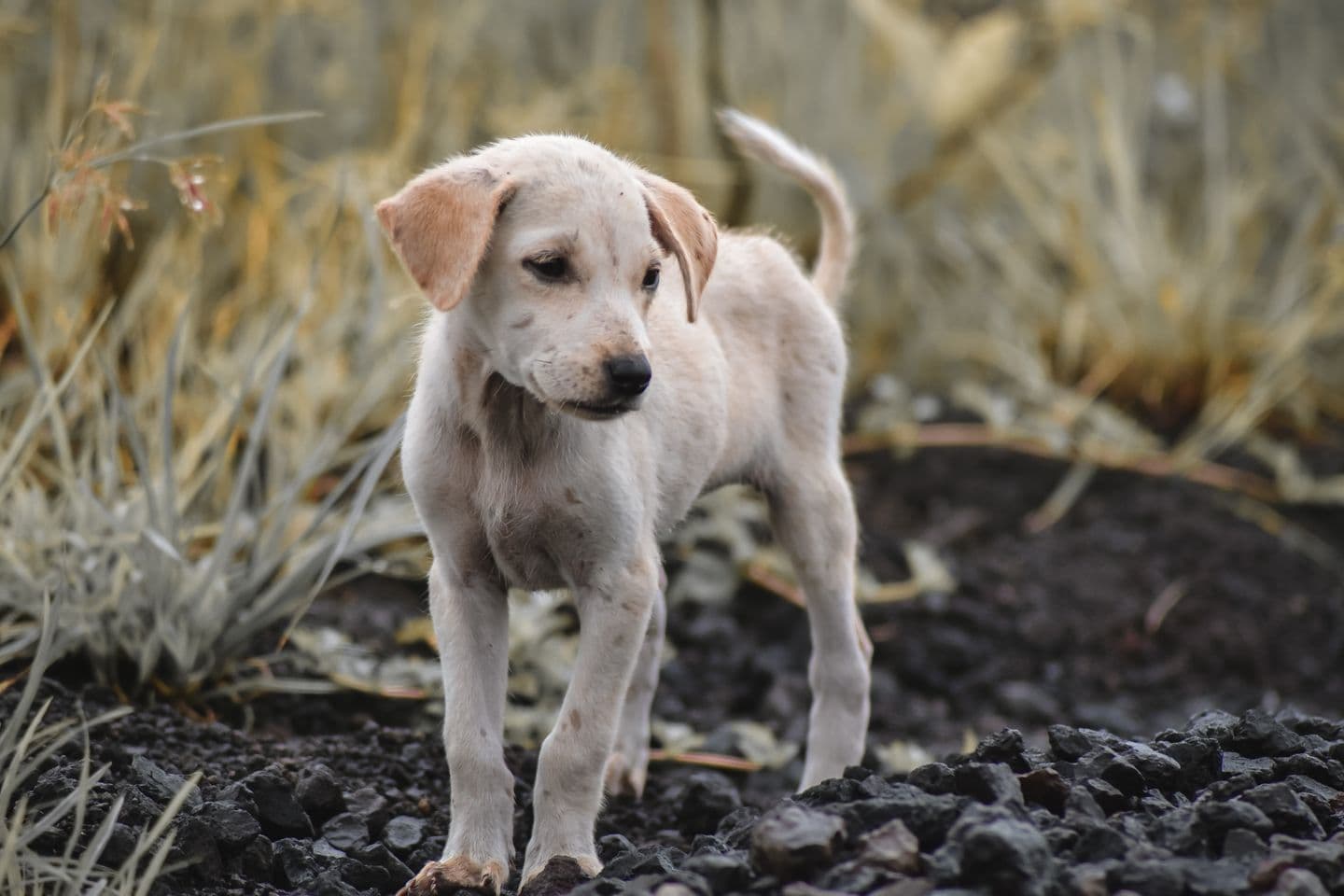
Indian Spitz: Breed Characteristics, History and Care
Few breeds capture the affection of Indian households quite like the Indian Spitz. Fox-faced, fluffy and unmistakably cheerful, it has been a fixture in Indian homes since the late twentieth century,
Few breeds capture the affection of Indian households quite like the Indian Spitz. Fox-faced, fluffy and unmistakably cheerful, it has been a fixture in Indian homes since the late twentieth century, and its genuine suitability to Indian conditions is a large part of why it has endured.
Origin and History
The Indian Spitz descends from German Spitz-type dogs introduced during the British colonial period. Over decades of adaptation to Indian conditions, breeders developed a dog that retained the intelligence and fox-like appearance of its German ancestors while developing a coat and constitution genuinely suited to a tropical climate. The breed rose sharply in popularity through the 1980s and 1990s, helped along by import restrictions that made foreign breeds harder to obtain, and by a memorable appearance in the Bollywood film Hum Aapke Hain Koun.
Physical Characteristics
Size: Recognised by the Kennel Club of India in small and medium varieties, both long-haired.
Height: Roughly 28 to 38 centimetres depending on variety.
Weight: Around 5 to 20 kilograms depending on size variety.
Coat: A dense double coat, predominantly white, with some medium-sized dogs showing light cream or brown patches.
Lifespan: Often 14 to 16 years, among the longer lifespans of any popular breed in India.
Temperament
The Indian Spitz is intelligent, quick to learn and genuinely affectionate with its family. It is naturally alert, making it an excellent watchdog that greets strangers with a sharp, high-pitched bark, and it generally gets along well with children and other pets when socialised early.
Living With an Indian Spitz
This is one of the few popular companion breeds genuinely bred for Indian summers, and it tolerates heat considerably better than most foreign coated breeds. It adapts comfortably to both small apartments and larger homes, provided it gets regular exercise and mental engagement to match its energetic nature.
Grooming and Health
Brushing: Regular brushing keeps the double coat free of mats and reduces shedding around the home.
Parasite checks: Daily checks for fleas and ticks during warmer months are worthwhile given the dense coat.
General health: The breed is considered naturally hardy, requiring comparatively less veterinary intervention than many foreign breeds.
Diet: Adaptable, though a balanced commercial or vet-guided homemade diet supports coat and joint health better than scraps alone.
For an Indian household wanting a loyal, low-maintenance and genuinely climate-suited companion, the Indian Spitz remains one of the smartest choices available, whether found through a breeder or, increasingly, through rescue organisations.
Focus keyphrase: Indian Spitz breed guide
SEO title: Indian Spitz Dog Breed Guide: Characteristics and Care
Slug: indian-spitz-breed-guide
Meta description: A complete guide to the Indian Spitz, covering its colonial-era origins, temperament, grooming and why it remains one of India’s most practical companion breeds.
Tags: Indian Spitz, native dog breeds India, small dog breeds, apartment dogs India
Beyond the familiar Great Dane and Saint Bernard, a number of large, calm breeds carry the same gentle-giant temperament without quite the same name recognition. Most remain genuinely rare in India, b
A once-bouncy dog that suddenly seems flat, uninterested in walks, and withdrawn from the family is unsettling to watch, and the question that naturally follows is whether dogs can actually feel somet
A healthy dog isn't just a contented one; they're more playful, more energetic and more emotionally settled. As their owner, you're the biggest factor in how well your dog thrives, day in and day out.