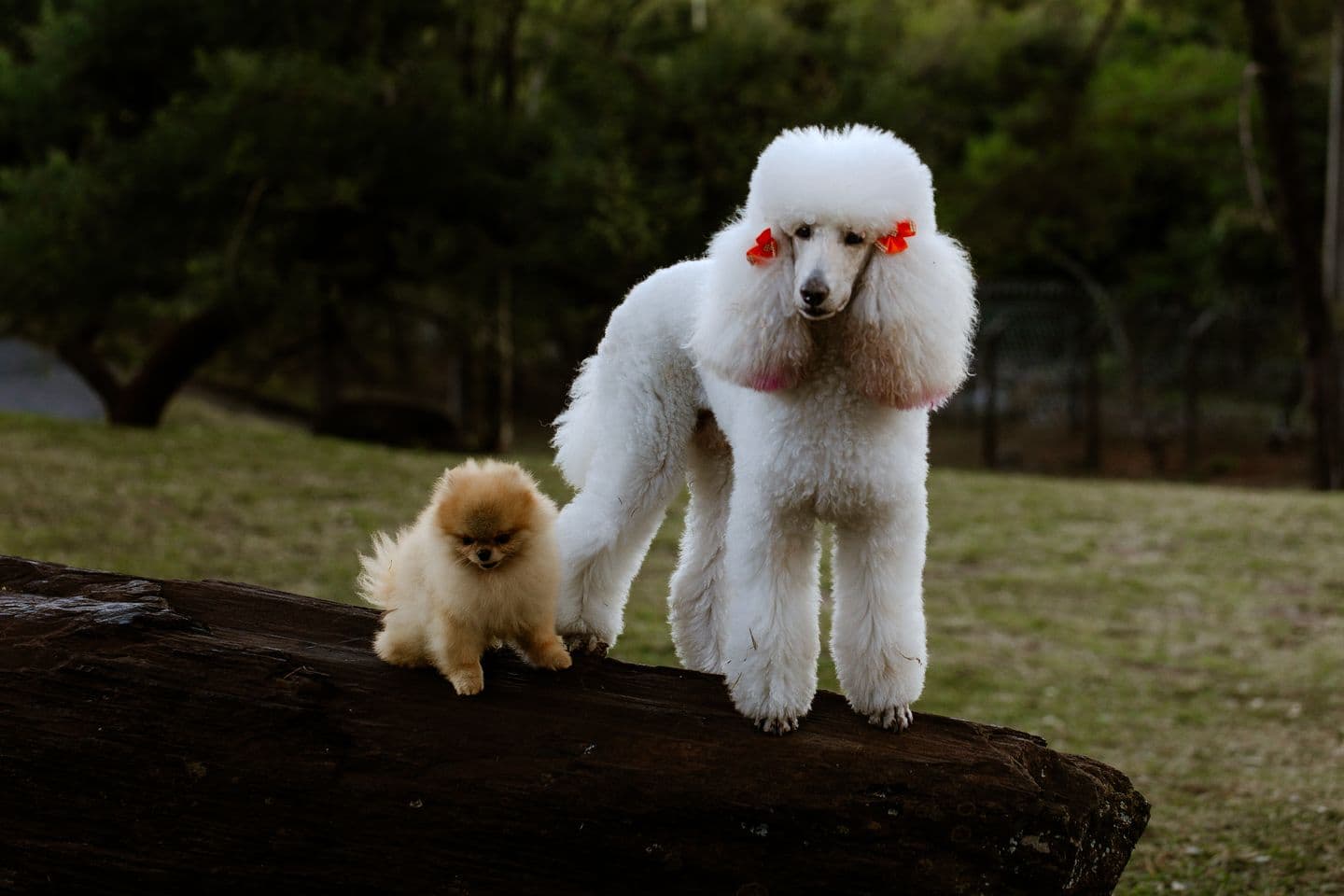
Indian Spitz: The Dog That Grew Up With Modern India
Unlike most of India's native breeds, the Indian Spitz does not have an ancient lineage. It was shaped in the 19th century when German Spitz dogs, introduced by British colonisers, were bred with loca
Other names: Pista, Pisha Dog | Native to: Developed across India from the 19th century onward
Quick facts
Descended from German Spitz dogs brought to India during British rule, later adapted to Indian conditions
Comes in two sizes, the Lesser Indian Spitz and the Greater Indian Spitz
Fox like face, pointed ears and a plush double coat, usually white, cream, dusky brown or black
One of the most recognisable and popular companion breeds in urban India
The story
Unlike most of India's native breeds, the Indian Spitz does not have an ancient lineage. It was shaped in the 19th century when German Spitz dogs, introduced by British colonisers, were bred with local dogs to produce an animal that kept the Spitz's alert, fox like appearance while coping far better with Indian heat and humidity.
Its real rise to fame came a century later. During the 1980s and 1990s, when import restrictions made foreign breeds hard to come by, Indian households turned to the Indian Spitz in large numbers, drawn by its resemblance to a Pomeranian or Samoyed at a fraction of the cost and hassle. The breed's profile grew further when it appeared, memorably, in the 1994 Bollywood film Hum Aapke Hain Koun, and it has remained a household name ever since.
Today the Indian Spitz is considered one of the easiest native breeds to live with. It is lively, affectionate, quick to train and well suited to apartment living, making it a popular first choice for urban Indian families, alongside the Indian pariah dog. Its double coat sheds seasonally and needs regular brushing, and its intelligence, while an asset, can also translate into a stubborn streak if training is inconsistent.
Build and appearance
The Indian Spitz is a compact, well proportioned dog with a fox like face, dark, expressive eyes and small, pointed, erect ears. Its coat is thick and plush, standing away from the body in the classic Spitz fashion, and comes in white, cream, dusky brown or black, sometimes with a faint green or blue cast to the iris that owners find distinctive. The breed comes in two recognised sizes, the Lesser Indian Spitz and the larger Greater Indian Spitz, with adult dogs typically standing between 35 and 45 cm and weighing around 5 to 7 kg.
Its tail curls up and over the back in a plume, and the overall silhouette, small, upright ears, a sharp muzzle and a dense ruff around the neck, gives it a bright, alert expression that has made it endlessly easy to fall for as a family pet.
Where things stand today
The Indian Spitz is generally a long lived, healthy breed, with an average lifespan often cited around 16 years, a benefit of being adapted specifically for Indian conditions rather than bred for exaggerated show traits. Regular brushing is the main grooming task, since the seasonal shed of its double coat can be considerable, and its high energy levels mean it benefits from consistent play and short daily walks even within an apartment setting.
Despite being a household name for decades, the Indian Spitz is often mistaken for a Pomeranian, a genuinely different breed from Poland. Its real identity, as a dog quite literally made in India for Indian conditions, deserves wider recognition, and its continuing popularity in cities like Mumbai and Delhi suggests it is likely to remain one of the country's most familiar breeds for generations to come.
Beyond the familiar Great Dane and Saint Bernard, a number of large, calm breeds carry the same gentle-giant temperament without quite the same name recognition. Most remain genuinely rare in India, b
A once-bouncy dog that suddenly seems flat, uninterested in walks, and withdrawn from the family is unsettling to watch, and the question that naturally follows is whether dogs can actually feel somet
A healthy dog isn't just a contented one; they're more playful, more energetic and more emotionally settled. As their owner, you're the biggest factor in how well your dog thrives, day in and day out.