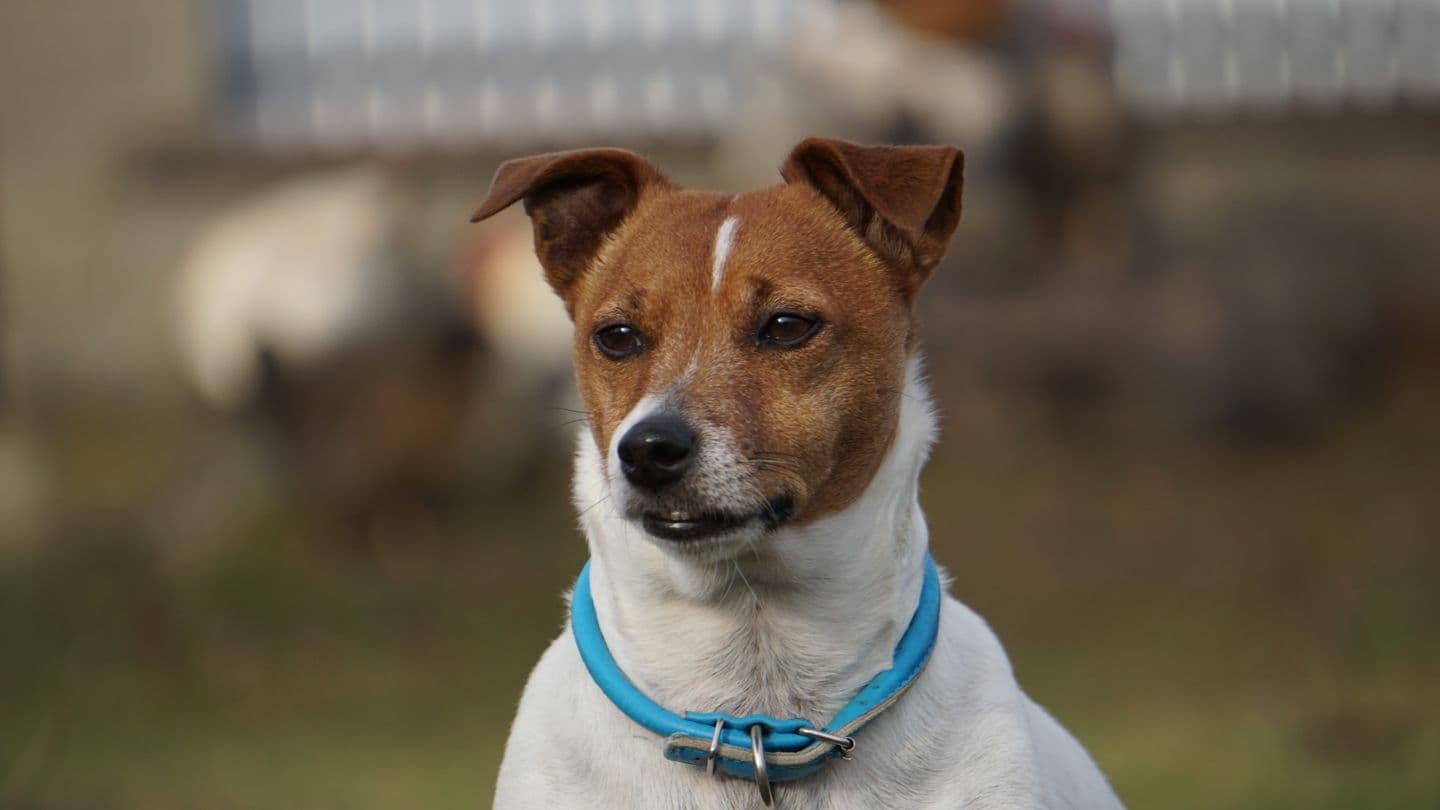
Jack Russell Terriers: The Compact Bundle of Energy
The Jack Russell Terrier traces its roots to Reverend John Russell, an English clergyman who bred a line of small, tenacious terriers for fox hunting in the early nineteenth century. Nearly two centur
The Jack Russell Terrier traces its roots to Reverend John Russell, an English clergyman who bred a line of small, tenacious terriers for fox hunting in the early nineteenth century. Nearly two centuries later, that hunting instinct is very much intact. This is a dog built for movement, and Indian owners considering one should go in with clear eyes about the energy on offer.
A brief history worth knowing
Unlike breeds developed for companionship, Jack Russells were bred to work, to chase quarry into burrows and hold their ground. That heritage explains almost everything about the modern Jack Russell: the digging, the chasing, the fearlessness, and the sheer stamina. Owners who understand this origin tend to have a much easier time channelling the breed’s instincts productively rather than fighting them.
Temperament and exercise needs
Jack Russells are highly intelligent, bold, and almost always in motion. A strong prey drive is one of their defining traits, and it means street cats, squirrels, and even stray dogs common on Indian streets can set off intense chasing behaviour.
Plan for at least an hour of exercise daily. This is non-negotiable for a Jack Russell. Without it, boredom quickly turns into digging up gardens, destructive chewing, or nonstop barking.
Give them a job. Puzzle feeders, scent games, and structured play sessions satisfy the breed’s working mind in ways a simple walk cannot.
Offer a legitimate outlet for digging. A designated sandpit or loose soil patch can save the rest of your garden or terrace planters from a determined Jack Russell.
Always leash on Indian streets. Given the prey drive and the presence of free-roaming animals in most Indian neighbourhoods, off-leash time is best reserved for secure, enclosed spaces.
Training: smart, but easily bored
Jack Russells learn commands quickly, often within a handful of repetitions, but they lose interest just as fast if training feels repetitive. Short, varied sessions with high-value rewards work far better than long drilling.
Start basic obedience as early as eight to nine weeks, since this breed benefits enormously from an early start.
Rotate games and commands within a session to hold the dog’s attention.
Socialise early and often, since Jack Russells can be assertive with unfamiliar dogs if not exposed to a range of temperaments as puppies.
Be aware of separation anxiety. Despite their independent streak, many Jack Russells struggle with being left alone for long stretches, so build up alone-time gradually.
Health and suitability for Indian conditions
The breed is generally hardy, and its short coat handles Indian heat comfortably compared with longer-coated terriers. A few hereditary conditions are worth screening for with a vet or breeder, including luxating patella, Legg-Calve-Perthes disease affecting the hip joint, and occasional deafness linked to certain coat colour patterns.
Jack Russells typically live twelve to fourteen years, with many reaching their mid-teens on good care, which means the commitment stretches well beyond the puppy years of chaos into a long, spirited companionship.
This is not a breed for a passive household. A Jack Russell thrives with owners who enjoy an active routine and have the patience to redirect, rather than suppress, a dog that was quite literally built to never sit still.
Beyond the familiar Great Dane and Saint Bernard, a number of large, calm breeds carry the same gentle-giant temperament without quite the same name recognition. Most remain genuinely rare in India, b
A once-bouncy dog that suddenly seems flat, uninterested in walks, and withdrawn from the family is unsettling to watch, and the question that naturally follows is whether dogs can actually feel somet
A healthy dog isn't just a contented one; they're more playful, more energetic and more emotionally settled. As their owner, you're the biggest factor in how well your dog thrives, day in and day out.