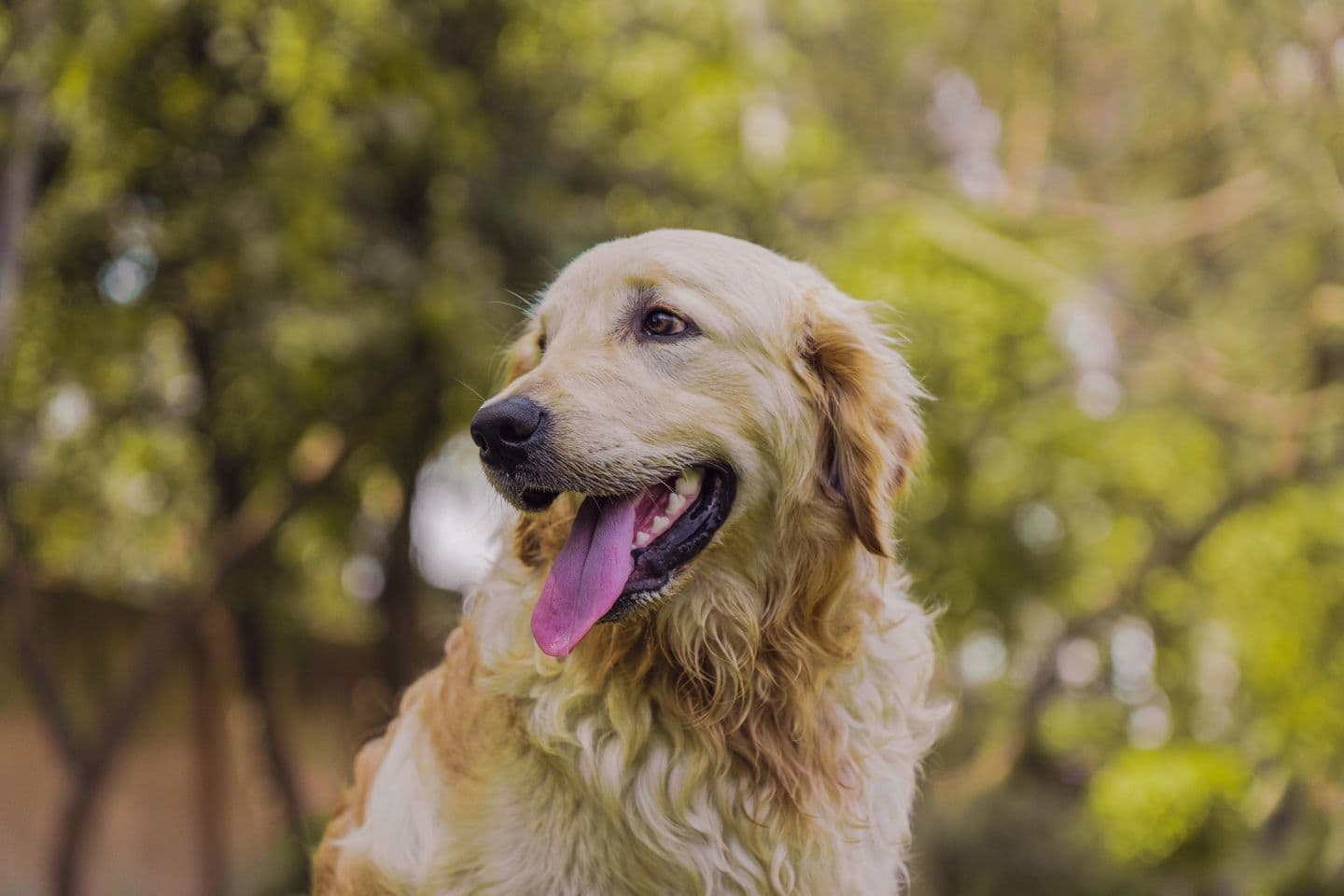
From ancient Rome to the Himalayan foothills, mastiff type dogs have guarded homes, herds and families for millennia. Here is what the group looks like from India.
From ancient Rome to the Himalayan foothills, mastiff type dogs have guarded homes, herds and families for millennia. Here is what the group looks like from India.
The mastiff, or Molosser, is one of the oldest dog types in existence, built for one job above all others: to stand its ground. Every mastiff breed shares a similar blueprint, a heavy head, a powerful chest, and a temperament that is naturally calm until it decides otherwise. What varies enormously across the group is exactly how that temperament, size and coat translate to a home in India.
The main mastiff breeds
Bullmastiff: a quieter, less demonstrative guardian bred in England to intercept poachers, relying more on bulk and presence than aggression.
Neapolitan Mastiff: a heavily wrinkled Italian breed, watchful and dignified, that needs only modest exercise but drools generously.
Tibetan Mastiff: an independent, heavily coated guardian from the Himalayan plateau, historically used by nomadic herders and monasteries, and one of the least heat tolerant mastiffs of all.
Cane Corso: an Italian working mastiff, leaner and more athletic than most of its cousins, with high exercise needs and a sharp guarding instinct.
Mastiff (English Mastiff): among the largest of all dog breeds by mass, famously gentle with family despite its size.
Bully Kutta: India's own mastiff type breed from the Punjab region, historically used for guarding and hunting, powerfully built and intensely territorial.
Boerboel: a South African mastiff occasionally seen in Indian farmhouses, bred to guard homesteads against large predators, short coated and confident but, like the Cane Corso, firmly an experienced owner's dog.
What unites the group, and what divides it
Every mastiff breed is a natural guardian, reserved with strangers and deeply attached to its own family, and every one of them needs early socialisation to keep that guarding instinct from tipping into serious aggression. Where the breeds diverge sharply is coat and climate tolerance. The Tibetan Mastiff's dense double coat, built for Himalayan winters, makes it a poor fit for the Indian plains, while the short coated Cane Corso, Bullmastiff and Bully Kutta manage Indian heat far more comfortably, provided they have shade, water and are not walked in the midday sun.
Space, exercise and experience
Nearly every mastiff breed is a poor fit for a small apartment, not because of temperament but because of sheer size. These are dogs that need room to turn around comfortably indoors and, in the case of the more athletic Cane Corso, real daily exercise rather than a short stroll. None of the mastiff breeds are recommended for first-time dog owners. Their size alone means a poorly socialised or under-trained mastiff is a genuine liability, and most breed experts are blunt about wanting an experienced, confident handler at the other end of the leash.
Done right, with space, structure and an owner who understands what a guardian breed needs, a mastiff is one of the most steady, protective companions a household can have. Done carelessly, the same size and instinct become a serious risk, which is why this group rewards research before affection.
Beyond the familiar Great Dane and Saint Bernard, a number of large, calm breeds carry the same gentle-giant temperament without quite the same name recognition. Most remain genuinely rare in India, b
A once-bouncy dog that suddenly seems flat, uninterested in walks, and withdrawn from the family is unsettling to watch, and the question that naturally follows is whether dogs can actually feel somet
A healthy dog isn't just a contented one; they're more playful, more energetic and more emotionally settled. As their owner, you're the biggest factor in how well your dog thrives, day in and day out.