Popular Therapy Animals, and How Animal-Assisted Therapy Works in India
Therapy animals are not limited to dogs. From equine therapy in Bengaluru to hospital visits in Mumbai, several species now play a role in India's growing animal-assisted therapy movement.
Therapy animals are not limited to dogs. From equine therapy in Bengaluru to hospital visits in Mumbai, several species now play a role in India's growing animal-assisted therapy movement.
A therapy animal is trained to provide comfort and support to many different people, distinct from a service animal, which is trained to perform specific tasks for one individual, and distinct from an emotional support animal, whose role is tied to a single owner. Therapy animals typically visit hospitals, schools, nursing homes and rehabilitation centres, and while dogs remain the most familiar, several other species play a genuine role in this work, including in India.
Dogs
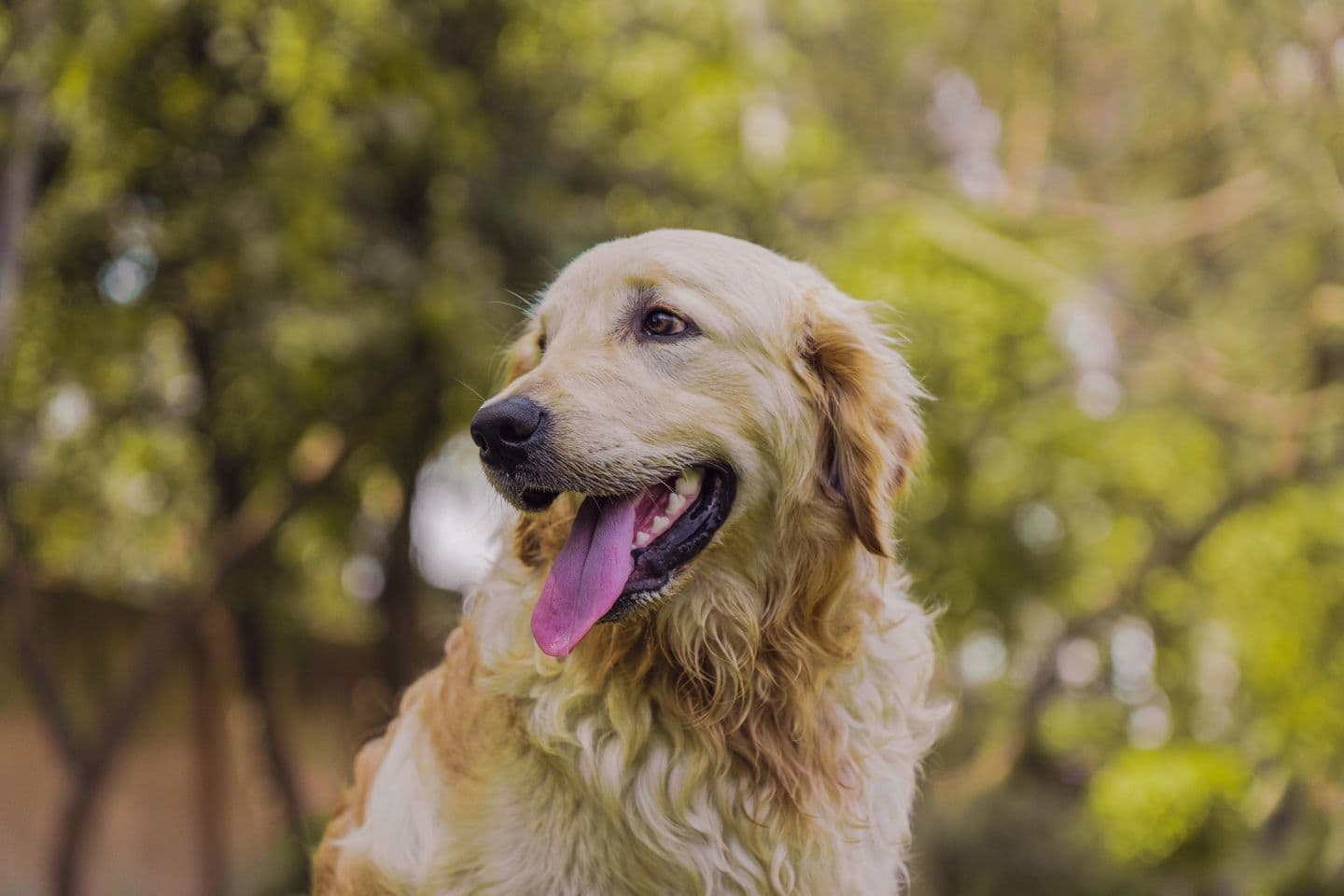
Dogs are by far the most common therapy animal, valued for their trainability, their ability to bond quickly with unfamiliar people, and research showing that interaction with a therapy dog can measurably lower stress hormones and ease anxiety and pain in patients. In India, organisations including the Animal Angels Foundation run structured dog therapy programmes across schools and hospitals in Mumbai, Thane and Pune, including sessions at Wockhardt Hospital.
Horses
Equine-assisted therapy involves grooming, leading or riding a horse under professional guidance, and is particularly well suited to building confidence, trust and emotional regulation, often used for trauma, autism and other developmental needs. In Bengaluru, Wag-Ville's Paws and Hooves Project offers equine-assisted therapy for conditions including autism, cerebral palsy and Down syndrome, alongside its dog therapy work.
Cats, rabbits and other small animals
Cats can be effective therapy animals despite needing no specific task training beyond comfort with handling and affection, and are increasingly used in nursing homes and hospices. Rabbits and guinea pigs, calm and easy to hold, are popular in schools and with children who may find a dog's size or energy overwhelming. Birds also feature in some Indian animal-assisted therapy programmes, valued for the calm, low-pressure interaction they offer compared to a larger animal, particularly with children who find handling a dog or cat intimidating.
What the research shows
Multiple studies point to genuine benefit: one widely cited study found therapy dog interaction significantly reduced pain, anxiety and depression in post-surgical patients, and animal-assisted therapy programmes in paediatric mental health settings have shown improved socialisation and reduced emotional outbursts during sessions. The mechanism is thought to involve both the calming effect of physical touch and the natural, judgement-free presence an animal offers, particularly valuable for children who find human interaction overwhelming.
How therapy animals differ from what came before in this series
It is worth being precise about the distinction: an emotional support animal supports one person through presence alone, a service animal performs specific trained tasks for one person with a disability, and a therapy animal, the subject of this piece, is trained specifically to provide comfort across many different people in institutional settings, always alongside a handler and typically as part of a structured, supervised programme.
India's animal-assisted therapy sector remains considerably smaller than in countries with a longer established framework, but the organisations working in this space, particularly in Mumbai, Pune and Bengaluru, are steadily building out programmes across schools, hospitals and rehabilitation centres, with a growing base of evidence behind the practice.
Tags: therapy animals, therapy dogs India, equine therapy, animal-assisted therapy
Beyond the familiar Great Dane and Saint Bernard, a number of large, calm breeds carry the same gentle-giant temperament without quite the same name recognition. Most remain genuinely rare in India, b
A once-bouncy dog that suddenly seems flat, uninterested in walks, and withdrawn from the family is unsettling to watch, and the question that naturally follows is whether dogs can actually feel somet
A healthy dog isn't just a contented one; they're more playful, more energetic and more emotionally settled. As their owner, you're the biggest factor in how well your dog thrives, day in and day out.