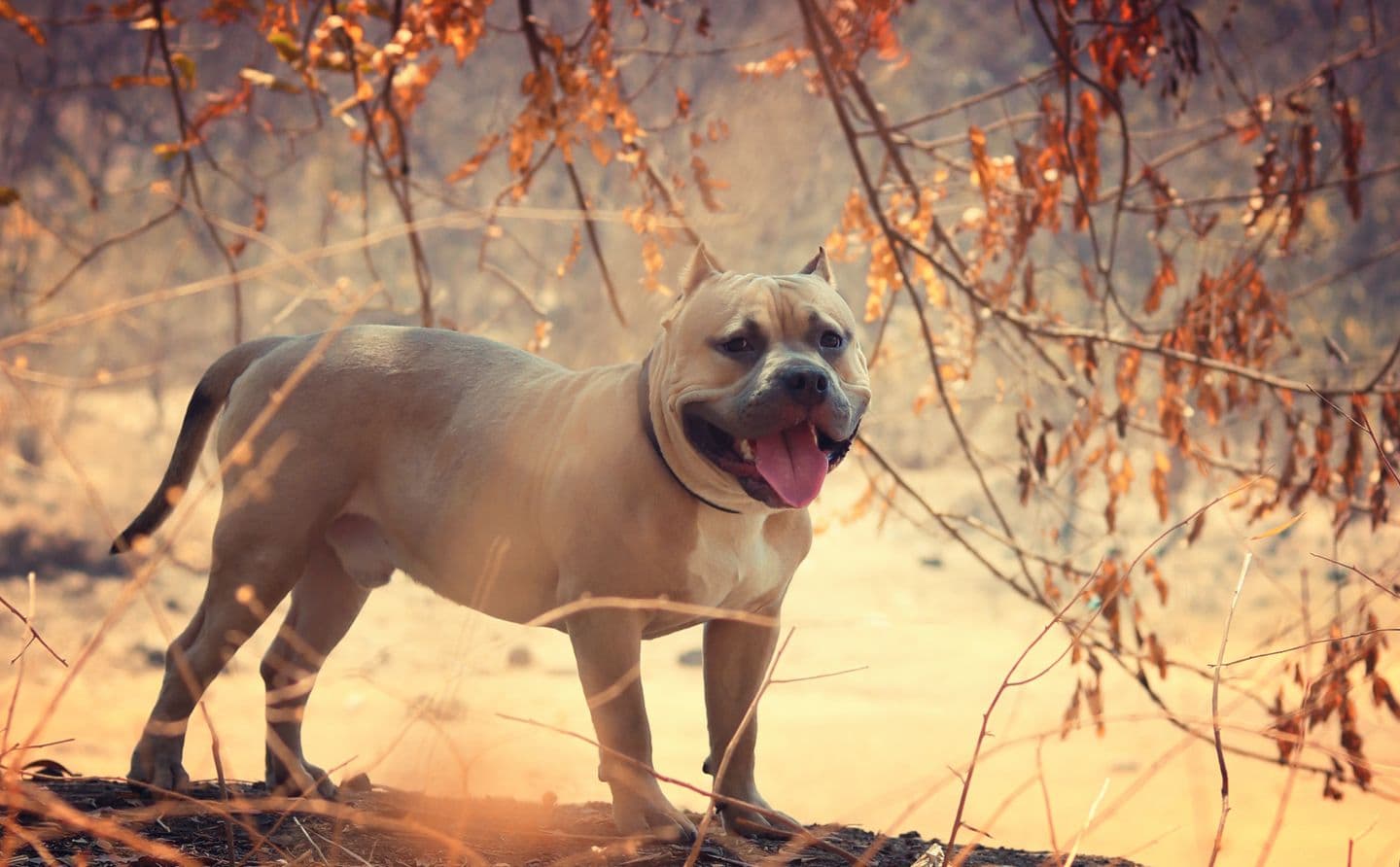
Raising a Pit Bull-Type Dog as a Steady Family Companion
The term “pit bull” is not a single breed. It is a type that includes the American Pit Bull Terrier, the American Staffordshire Terrier, and dogs that carry a strong resemblance to either. In India, t
The term “pit bull” is not a single breed. It is a type that includes the American Pit Bull Terrier, the American Staffordshire Terrier, and dogs that carry a strong resemblance to either. In India, these dogs occupy a complicated space: adored by some households as loyal, affectionate companions, and viewed warily by others because of their reputation and physical strength. Neither view tells the whole story. A pit bull-type dog’s behaviour has far more to do with upbringing, structure, and socialisation than with the shape of its head.
Know the legal landscape before you commit
Ownership rules for pit bull-type dogs are not uniform across India, and this is where many families go wrong. There is no single nationwide ban, but the Central Government has issued an advisory recommending restrictions on a list of breeds it considers high risk, and several states and municipal corporations have acted on it in their own way. Some cities have stopped issuing fresh breeding licences for pit bulls and Rottweilers, while others require existing owners to register their dogs, use a leash and muzzle in public, and in some cases carry liability cover.
Check with your local municipal corporation. Rules differ by city and change periodically, so a call to your local ward office or a look at the corporation’s website is worth the effort before you bring a dog home or move cities.
Existing owners are usually grandfathered in. Most advisories apply to new breeding and registration rather than confiscating pets already living with families, but compliance conditions such as muzzling in public can still apply.
Adopt, don’t shop. Indian shelters and rescue groups see a steady stream of pit bull-type dogs given up by owners who underestimated the commitment. Adopting one of these dogs is often the most responsible way to bring this type of dog into your home.
Start socialisation early and keep it consistent
A pit bull-type puppy that meets a wide variety of people, dogs, sounds, and surfaces between eight and sixteen weeks of age is far more likely to grow into a calm, confident adult. In Indian towns and cities, this means controlled exposure to crowded streets, two-wheelers, other household pets, and the neighbourhood’s resident dogs, always managed on a leash and never forced.
Reward calm behaviour around new people and animals with treats or praise, rather than waiting for problems to correct.
Introduce muzzle training as a positive, low-stress routine long before it becomes a legal requirement on a walk.
Keep early interactions short and end them before the puppy becomes overstimulated or tired.
Training that builds trust, not just obedience
Pit bull-type dogs are intelligent, eager to please, and highly food motivated, which makes them very responsive to positive reinforcement. Harsh corrections tend to backfire with this type, often creating anxiety rather than compliance.
Basic commands first. Sit, stay, come, and leave it give you a working vocabulary to manage the dog confidently in daily situations, from a busy balcony to a crowded lift lobby.
Structured exercise daily. These are athletic dogs. A tired pit bull is a settled pit bull, so plan for brisk walks, tug games, and puzzle feeders rather than expecting the dog to self-regulate indoors.
Consistency across the household. Every family member should use the same commands and boundaries. Mixed signals confuse a strong-willed dog and slow down training.
Professional help when needed. A certified trainer experienced with strong, powerful breeds can be invaluable, particularly for first-time owners.
Living well in an Indian home
Pit bull-type dogs carry a short coat that generally suits Indian summers reasonably well, though they are prone to overheating during peak afternoon heat, so exercise is best scheduled for early morning or evening. Provide constant access to water, shaded resting spots, and cool flooring during the hottest months.
Because of their strength, secure fencing, sturdy leashes, and a well-fitted harness matter more with this type than with smaller breeds. A dog that pulls hard on a flimsy collar is a safety risk in crowded Indian streets, for the dog as much as for people around it.
Busting the biggest myth
The idea that pit bull-type dogs are inherently aggressive towards people does not hold up to scrutiny. Responsible breeding organisations and rehabilitation programmes worldwide have shown that dogs from even the most difficult backgrounds can become gentle family pets and therapy animals with patience and proper training. What determines temperament is largely the home the dog is raised in, not the shape of its jaw.
A pit bull-type dog rewards structure with extraordinary loyalty. For Indian families willing to put in the training, the legal homework, and the daily exercise, it can be an exceptionally devoted companion.
This article is for general information and does not constitute legal advice. Ownership rules vary by state and city and are subject to change, so always verify current regulations with your local municipal authority.
Beyond the familiar Great Dane and Saint Bernard, a number of large, calm breeds carry the same gentle-giant temperament without quite the same name recognition. Most remain genuinely rare in India, b
A once-bouncy dog that suddenly seems flat, uninterested in walks, and withdrawn from the family is unsettling to watch, and the question that naturally follows is whether dogs can actually feel somet
A healthy dog isn't just a contented one; they're more playful, more energetic and more emotionally settled. As their owner, you're the biggest factor in how well your dog thrives, day in and day out.