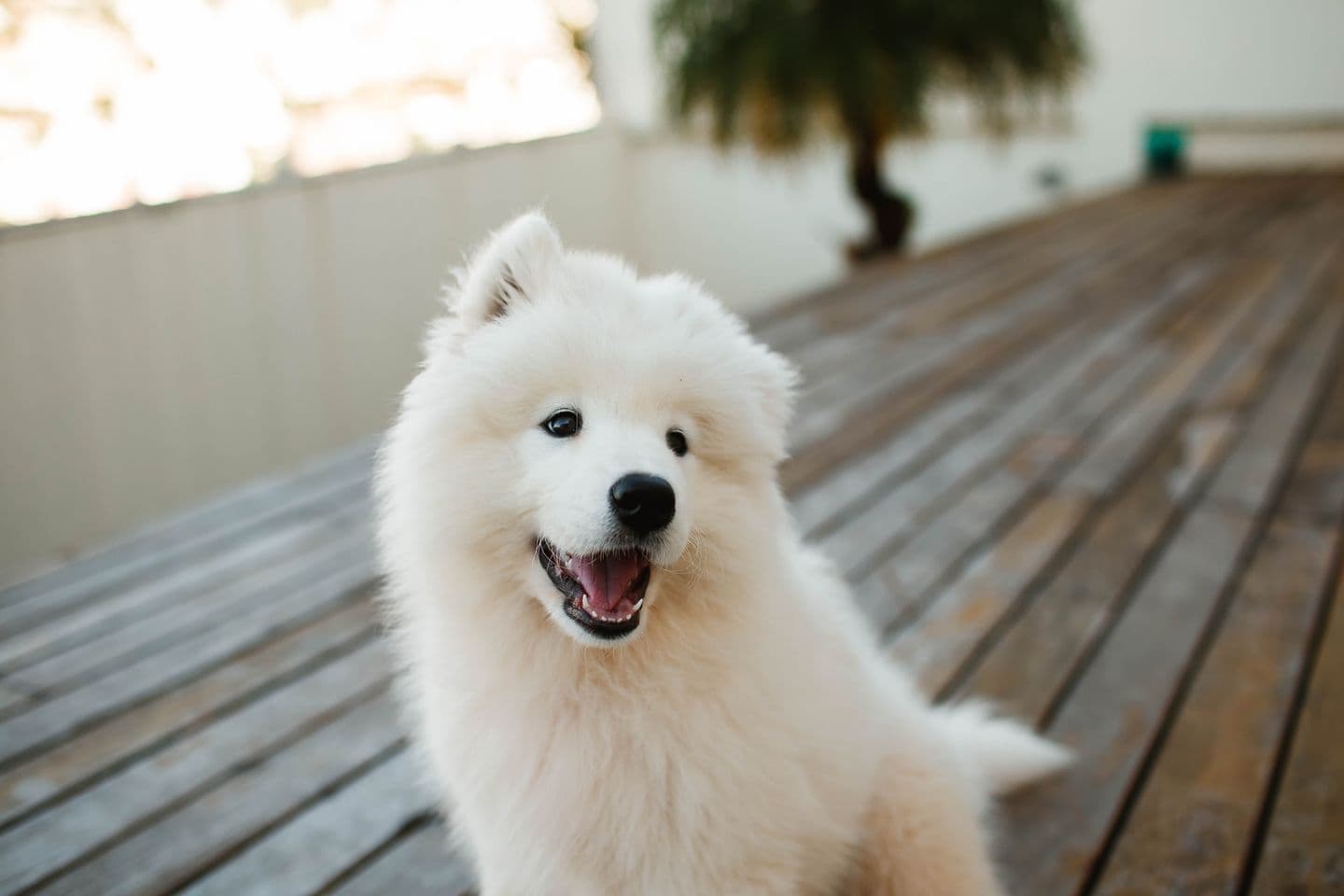
Samoyed (Sammie): Dog Breed Characteristics and Care
Famous for its permanent smile and brilliant white coat, the Samoyed is also one of the least suited breeds to Indian summers, and deserves the same honest scrutiny given to Huskies.
Famous for its permanent smile and brilliant white coat, the Samoyed is also one of the least suited breeds to Indian summers, and deserves the same honest scrutiny given to Huskies.
The Samoyed takes its name from the Samoyedic peoples of Siberia, who bred the dog to herd reindeer, pull sledges and, notably, sleep alongside their families for warmth in brutal Arctic conditions. That closeness to people shaped a famously friendly, affectionate temperament, but the coat built for Siberian winters is precisely what makes the breed such a difficult fit for most of India.
Temperament
Friendly and outgoing, including with strangers, in the same vein as the Siberian Husky, and equally unlikely to make an effective guard dog.
Highly social, doing poorly when left alone for long periods.
Intelligent and occasionally stubborn, a legacy of working independently alongside nomadic herders.
Famous for its upturned mouth, often called the Sammie smile, which also helps keep drool from freezing on its face in cold climates.
The coat, and what it means for heat
Samoyeds stand roughly 50 to 60 centimetres at the shoulder and weigh 16 to 30 kilograms, a medium-sized but visually imposing dog thanks to its fluffy coat, with a comparatively long lifespan of 12 to 14 years when well cared for. The Samoyed's dense, brilliant white double coat is exceptionally effective at insulating against cold, and that same insulation works against the dog in Indian heat. Accounts differ on just how badly Samoyeds struggle in warm climates, some owners in cooler parts of India report manageable results with careful care, while more cautionary voices are blunt that the breed is simply not suited to India's hot, humid conditions. The safer reading is that a Samoyed in most Indian cities faces a genuine, ongoing welfare challenge, not a minor inconvenience to be managed with an occasional cool bath.
What real care requires in India
Reliable air conditioning for most of the year, particularly through peak summer months.
Walks restricted to early morning or after sunset, with midday sun avoided entirely.
Regular brushing, several times a week at minimum, since the dense double coat mats easily and sheds heavily during seasonal coat blow.
Close monitoring for signs of heat stress, including excessive panting, lethargy or reluctance to move.
Where a Samoyed might genuinely do better
As with other Arctic and northern breeds covered elsewhere in this series, India's cooler hill regions offer a far more realistic environment than the plains or coastal cities. Prospective owners drawn to the breed's striking looks and cheerful temperament are better served being honest about this mismatch upfront, and considering whether a heat-tolerant breed with a similarly sociable temperament might be the kinder choice for both dog and household.
Tags: Samoyed, Sammie, Spitz breeds, dog breeds heat tolerance India
Beyond the familiar Great Dane and Saint Bernard, a number of large, calm breeds carry the same gentle-giant temperament without quite the same name recognition. Most remain genuinely rare in India, b
A once-bouncy dog that suddenly seems flat, uninterested in walks, and withdrawn from the family is unsettling to watch, and the question that naturally follows is whether dogs can actually feel somet
A healthy dog isn't just a contented one; they're more playful, more energetic and more emotionally settled. As their owner, you're the biggest factor in how well your dog thrives, day in and day out.