Service dogs are trained to perform specific tasks that help a person manage a disability, from guiding someone who is visually impaired to alerting a person to a medical episode before it happens. Th
Service dogs are trained to perform specific tasks that help a person manage a disability, from guiding someone who is visually impaired to alerting a person to a medical episode before it happens. This is a very different role from a pet or even a therapy dog, and it takes years of structured training to get right. The field is still young in India compared with countries like the UK or US, but it is growing, and a handful of breeds consistently prove themselves best suited to the work.
The Breeds Most Often Trained as Service Dogs
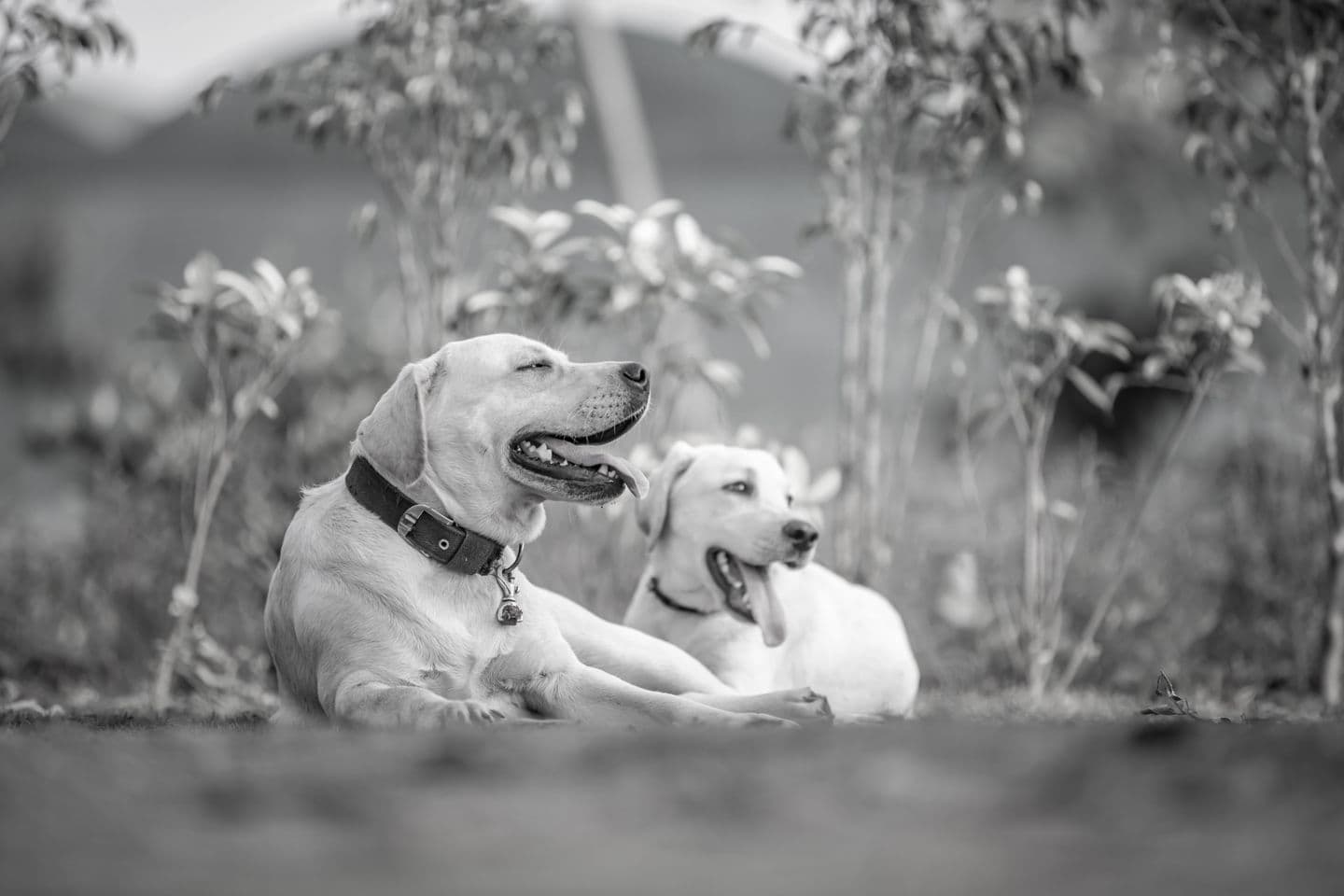
Labrador Retriever: The most widely used service breed worldwide and in India, prized for its trainability, steady temperament and eagerness to work closely with a handler. India's first fully trained assistance dog, a black Labrador named Honey, helped establish the field here.
Golden Retriever: Similarly gentle and highly trainable, often used for guide work and for children with autism, given the breed's patience and low reactivity.
German Shepherd: Common in mobility assistance and detection work, valued for intelligence and focus, though its size and energy need a genuinely committed training programme.
Standard Poodle: Increasingly used internationally for allergy-sensitive handlers, given its low-shedding coat, combined with high intelligence and trainability.
Indian Pariah Dog: Not yet common in formal service roles, but its intelligence, hardiness and strong bond with handlers make it a promising candidate as India's assistance dog sector grows, and a handful of Indian organisations are beginning to explore working with local breeds.
How Service Dogs Work in India
India does not yet have a dedicated national law governing service dog access the way some countries do, but the Rights of Persons with Disabilities Act does support the use of assistance animals, and organisations such as Help and Assistance Dogs India, along with a small number of other groups, train and place dogs with people who need them. The field remains limited by the number of accredited trainers and the general unfamiliarity many public spaces in India have with the concept, and access to malls, restaurants and public transport with a service dog can still be inconsistent depending on the city and the individual establishment.
What Sets a Service Dog Apart From a Pet
Task-specific training: A service dog is trained to perform a defined task tied to a disability, not simply to be well behaved.
Temperament testing: Only a fraction of even well-bred puppies from proven working lines pass the temperament screening needed for service work.
Years of investment: Formal training typically takes eighteen months to two years before a dog is ready to work independently.
Public access behaviour: A service dog must remain calm and focused in crowded, noisy or unfamiliar environments, a genuinely demanding standard.
If you believe a service dog could help with a disability, the honest starting point in India is contacting an established assistance dog organisation directly rather than attempting to train a family pet into the role informally. The bond between a handler and a working service dog is remarkable to witness, but it rests on training standards that take real time and expertise to build properly.
Yoast SEO metadata
Tags: Irish dog breeds, Irish Wolfhound India, Irish Setter India, Irish Terrier
Beyond the familiar Great Dane and Saint Bernard, a number of large, calm breeds carry the same gentle-giant temperament without quite the same name recognition. Most remain genuinely rare in India, b
A once-bouncy dog that suddenly seems flat, uninterested in walks, and withdrawn from the family is unsettling to watch, and the question that naturally follows is whether dogs can actually feel somet
A healthy dog isn't just a contented one; they're more playful, more energetic and more emotionally settled. As their owner, you're the biggest factor in how well your dog thrives, day in and day out.