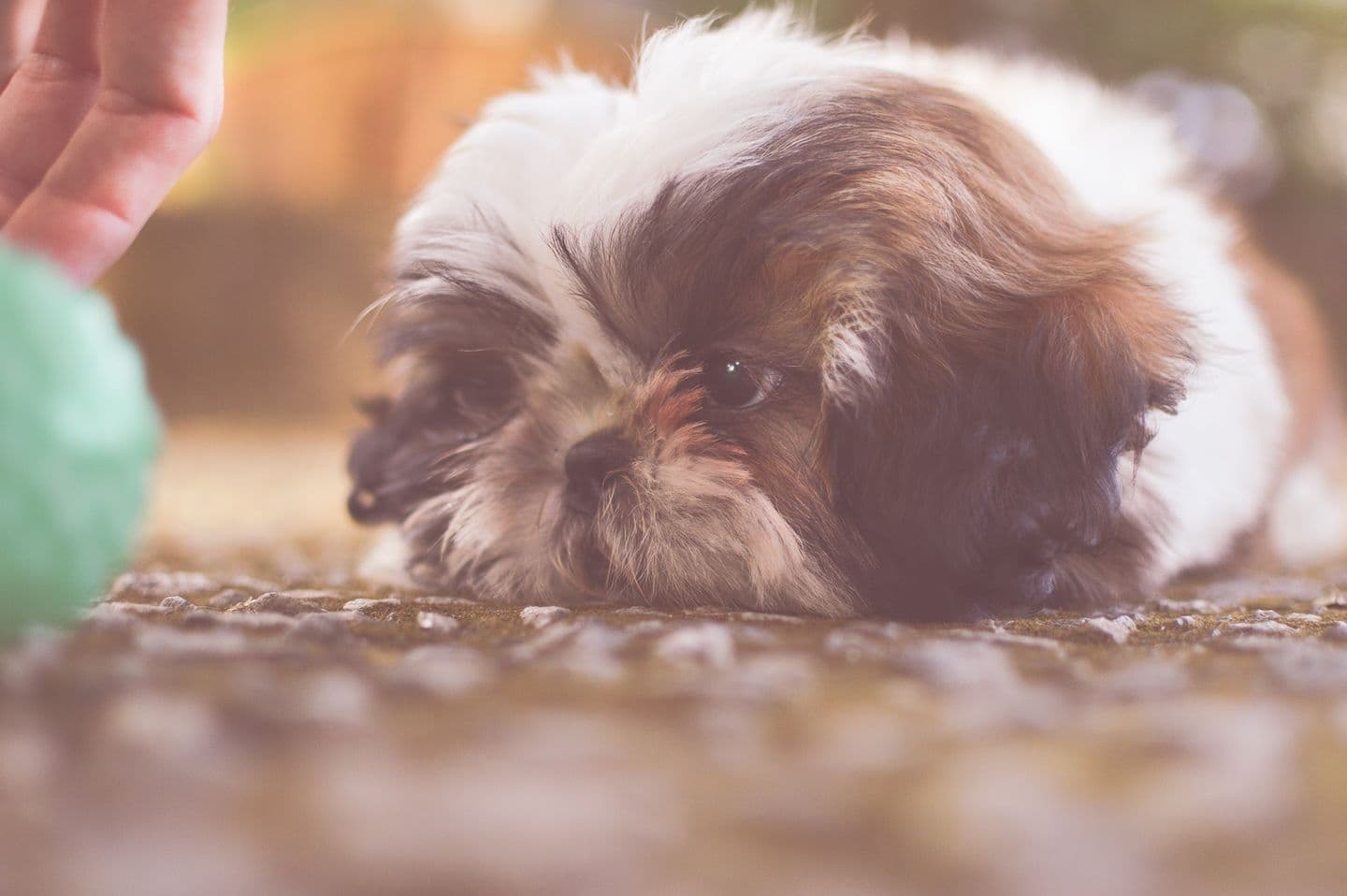
Shih Tzu: Temperament and Care Guide for Indian Homes
The Shih Tzu carries one of the more dramatic survival stories in the dog world. Developed in Tibetan monasteries and later refined as a companion breed for Chinese royalty, the breed nearly vanished
The Shih Tzu carries one of the more dramatic survival stories in the dog world. Developed in Tibetan monasteries and later refined as a companion breed for Chinese royalty, the breed nearly vanished entirely during China's Communist Revolution, when many royal Shih Tzus were lost. It survived only because a small number of dogs had already been exported to the West, from which the modern breed was rebuilt.
Personality
Shih Tzus are affectionate, outgoing and genuinely people-focused, often considered one of the friendliest small breeds toward strangers and other pets. Unlike its Tibetan relative the Lhasa Apso, which tends to be more independent and watchful, the Shih Tzu was bred specifically to be a constant, close companion, and that shows in how eagerly it seeks out attention and lap time. This makes it an excellent choice for families, first-time owners and elderly pet parents alike.
Life in Indian homes
The breed's small size and modest exercise needs make it one of the most naturally apartment-suited dogs on this list. Short daily walks and indoor play are usually enough. Summer still calls for caution, since the Shih Tzu's flattened face gives it some of the same, though milder, heat sensitivity seen in Bulldogs. Walks are best kept to cooler hours, and the breed does well with a cool, shaded resting spot through peak summer.
Grooming and health
The long, flowing double coat is the breed's defining feature and its biggest care commitment. Daily brushing is necessary to prevent matting, and many Indian owners choose a shorter puppy cut, both for easier maintenance and for comfort through the hotter months. Eyes need regular cleaning too, since the breed's prominent eyes are prone to tearing and irritation, particularly in dusty city environments.
Shih Tzus are generally long-lived and hardy for their size, though owners should watch for dental crowding, given the compact jaw, and mild breathing sensitivity during extreme heat.
Quick facts
Size: small, roughly 4 to 7 kg
Coat: long, double-layered, daily brushing or a trimmed cut recommended
Exercise: low, short walks and indoor play are sufficient
Beyond the familiar Great Dane and Saint Bernard, a number of large, calm breeds carry the same gentle-giant temperament without quite the same name recognition. Most remain genuinely rare in India, b
A once-bouncy dog that suddenly seems flat, uninterested in walks, and withdrawn from the family is unsettling to watch, and the question that naturally follows is whether dogs can actually feel somet
A healthy dog isn't just a contented one; they're more playful, more energetic and more emotionally settled. As their owner, you're the biggest factor in how well your dog thrives, day in and day out.