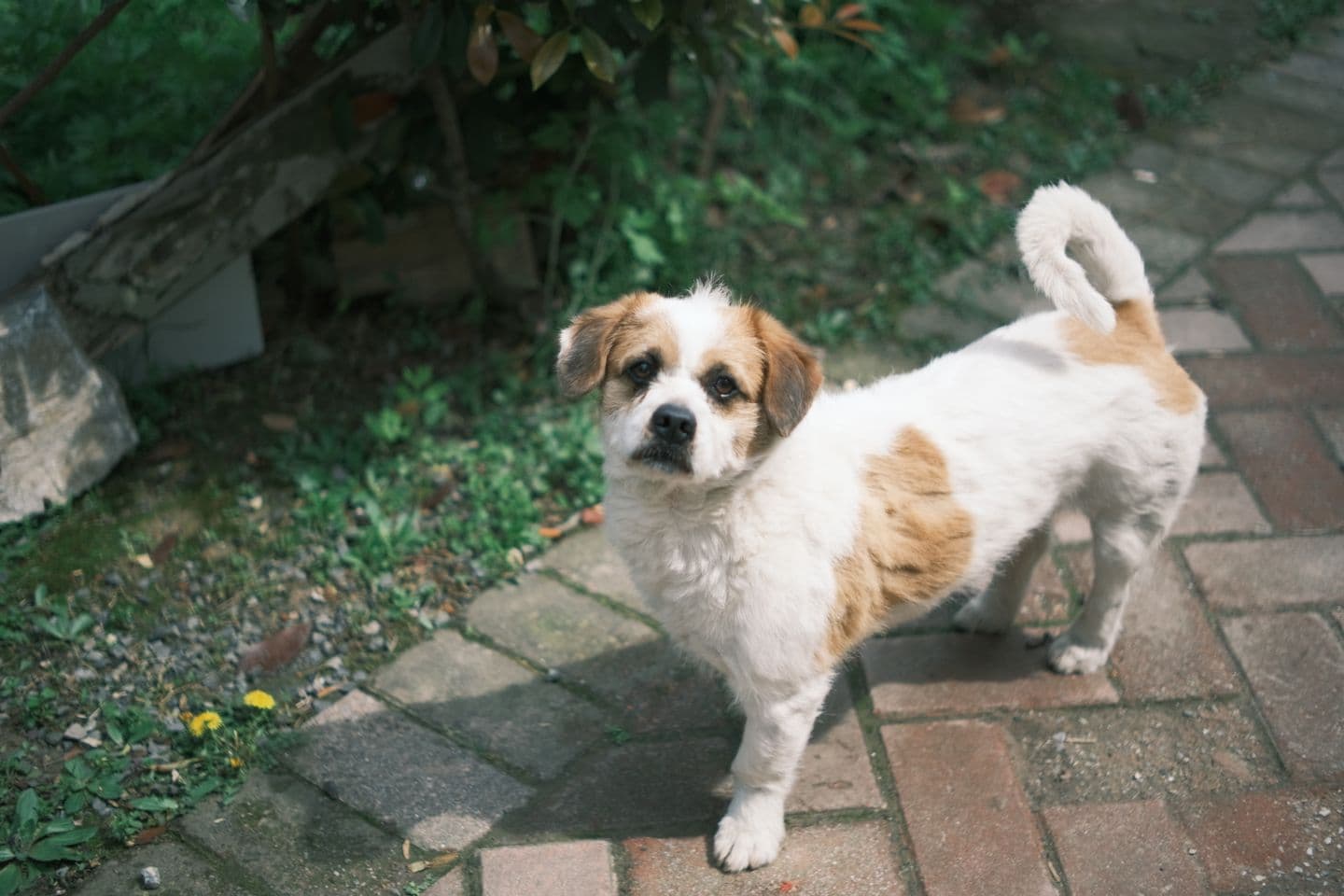
Developed in Australia in the early twentieth century by crossing Yorkshire Terriers with native Australian Terriers, the Silky Terrier was bred to be small enough for companionship yet sturdy enough
An Australian breed with a glossy blue and tan coat and a terrier's confident streak.
Developed in Australia in the early twentieth century by crossing Yorkshire Terriers with native Australian Terriers, the Silky Terrier was bred to be small enough for companionship yet sturdy enough to retain genuine terrier instincts, including a keen interest in chasing small moving things.
Appearance
The breed's defining feature is its fine, glossy, blue and tan coat, which lies flat and straight rather than curling. Silky Terriers typically weigh around four kilograms, with a compact, low set body.
Temperament
True to its terrier roots, the Silky is alert, curious, and often more independent minded than typical toy companion breeds. It is affectionate with its family, makes a genuinely good watchdog thanks to a strong instinct to announce visitors, and retains a prey drive that means small pets like birds or rodents in the household need careful introductions.
Availability in India
Silky Terriers remain uncommon in Indian breeding circles. Prospective owners will likely need to search harder or consider import, and should budget extra time to find a breeder who can demonstrate health testing and a stable temperament line.
Grooming
Brush two to three times a week to keep the silky coat free of tangles
Trim around the paws and ears periodically for a tidy, low maintenance look
Bathe every few weeks, more often if the coat picks up dust easily during Indian dry seasons
Living in India
The Silky Terrier's coat is relatively fine and low shedding, an advantage in a warm climate, though it still offers little insulation and the breed should be kept comfortably indoors during extreme heat or cold.
Health
Luxating patella, tracheal collapse, and dental issues common to small breeds all apply here. Otherwise, the Silky Terrier is a relatively hardy toy breed with a reasonable lifespan when well cared for.
This breed suits an owner looking for a toy sized dog with genuine terrier spirit, alertness, and a bit more independence than the average lap dog.
Beyond the familiar Great Dane and Saint Bernard, a number of large, calm breeds carry the same gentle-giant temperament without quite the same name recognition. Most remain genuinely rare in India, b
A once-bouncy dog that suddenly seems flat, uninterested in walks, and withdrawn from the family is unsettling to watch, and the question that naturally follows is whether dogs can actually feel somet
A healthy dog isn't just a contented one; they're more playful, more energetic and more emotionally settled. As their owner, you're the biggest factor in how well your dog thrives, day in and day out.