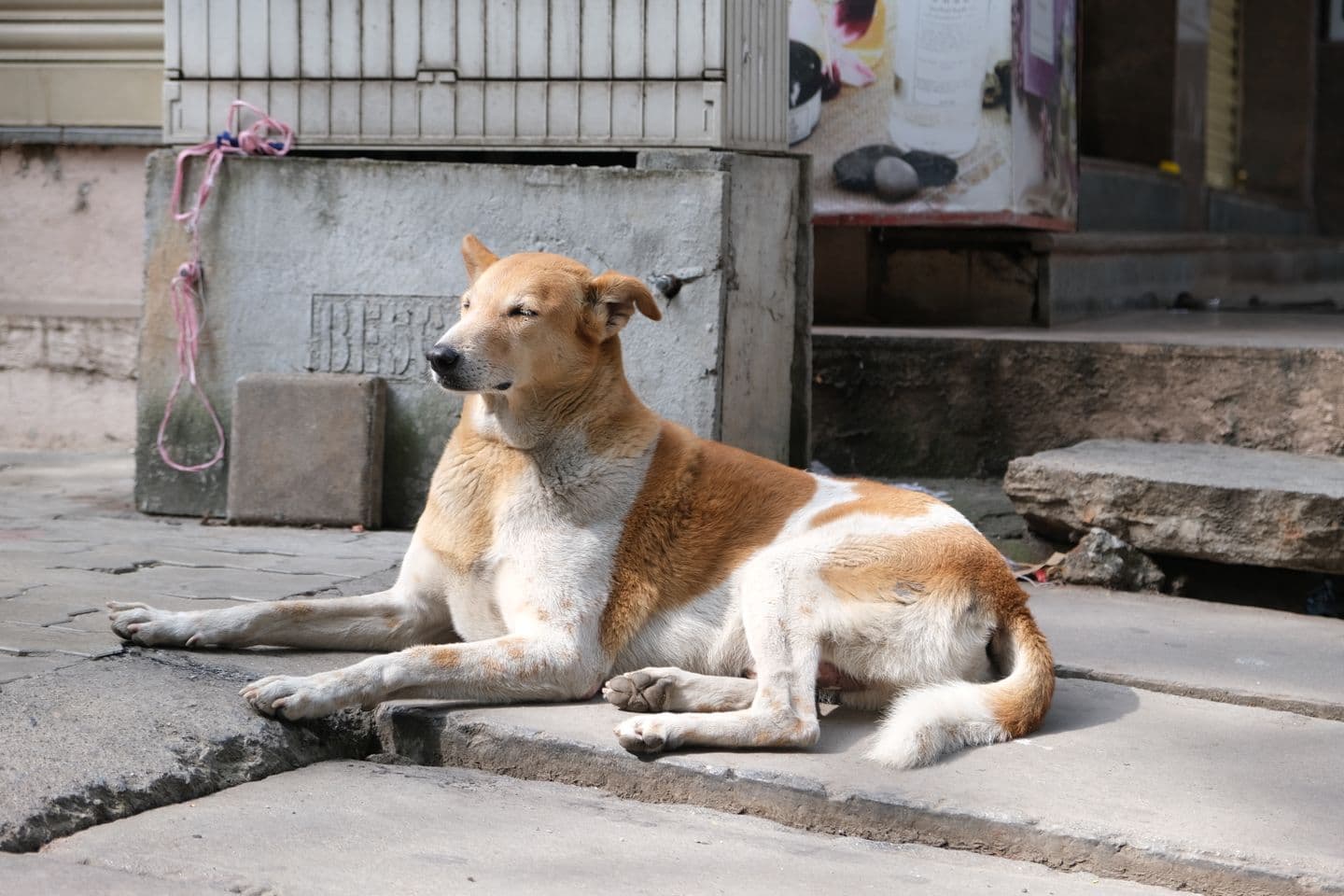
The Jonangi: The Yodelling Duck Dog of the Eastern Wetlands
Unlike any other Indian breed, the Jonangi developed in the wetlands around Kolleru Lake in Andhra Pradesh to herd ducks, guard farms, and even assist with fishing, and is known for a distinctive yode
Unlike any other Indian breed, the Jonangi developed in the wetlands around Kolleru Lake in Andhra Pradesh to herd ducks, guard farms, and even assist with fishing, and is known for a distinctive yodelling call rather than an ordinary bark.
Origin and History
The Jonangi, also called Jonangi Jagilam or Kolleti Jagilam, developed in the Godavari and Krishna river delta region of Andhra Pradesh, and was historically found along much of India's eastern coastline from Bengal to Kanyakumari. Local farmers used the breed to herd ducks, guard property, and assist in shallow-water fishing, a genuinely unusual set of jobs for a dog anywhere in the world. As commercial duck farming declined and some aquaculture farmers came to see the breed as a pest, Jonangi numbers fell sharply, and it is now considered nearly extinct outside pockets of Andhra Pradesh, Karnataka, Tamil Nadu, Maharashtra, and Goa.
Physical Characteristics
A medium-sized dog with a wrinkled forehead, tulip-shaped ears, and a tail carried curled over the back.
An extremely short, fine, shiny coat, sometimes described as near-hairless, in solid fawn, biscuit, chocolate, black, or white.
A build suited to both running and swimming, useful for its traditional wetland work.
A distinctive vocalisation often described as yodelling rather than standard barking, likely developed to herd ducks without startling them.
Temperament
The Jonangi is intelligent, agile, and easily trainable, with a strong one-family bond. It tends to be a quiet dog that rarely barks unnecessarily, protective of its home and territory, and generally friendly toward farm animals such as poultry, goats, and cattle when raised alongside them. With early socialisation, it can settle well into ordinary family life, including with children.
Living with a Jonangi in India
Because the Jonangi is critically rare, most Indian readers interested in the breed should expect to work through regional conservation efforts rather than conventional channels.
Coat care is minimal given how fine and short the fur is, though its near-hairless quality means some sun protection is worth considering in peak summer.
Exercise needs are moderate to high; this remains an active working breed that benefits from daily activity and, where possible, access to safe water.
Socialise early with other animals if a multi-pet household is planned, drawing on the breed's natural comfort around livestock.
Support conservation: given how close this breed has come to disappearing, working with recognised native breed programmes matters more here than with almost any other dog in this guide.
Beyond the familiar Great Dane and Saint Bernard, a number of large, calm breeds carry the same gentle-giant temperament without quite the same name recognition. Most remain genuinely rare in India, b
A once-bouncy dog that suddenly seems flat, uninterested in walks, and withdrawn from the family is unsettling to watch, and the question that naturally follows is whether dogs can actually feel somet
A healthy dog isn't just a contented one; they're more playful, more energetic and more emotionally settled. As their owner, you're the biggest factor in how well your dog thrives, day in and day out.