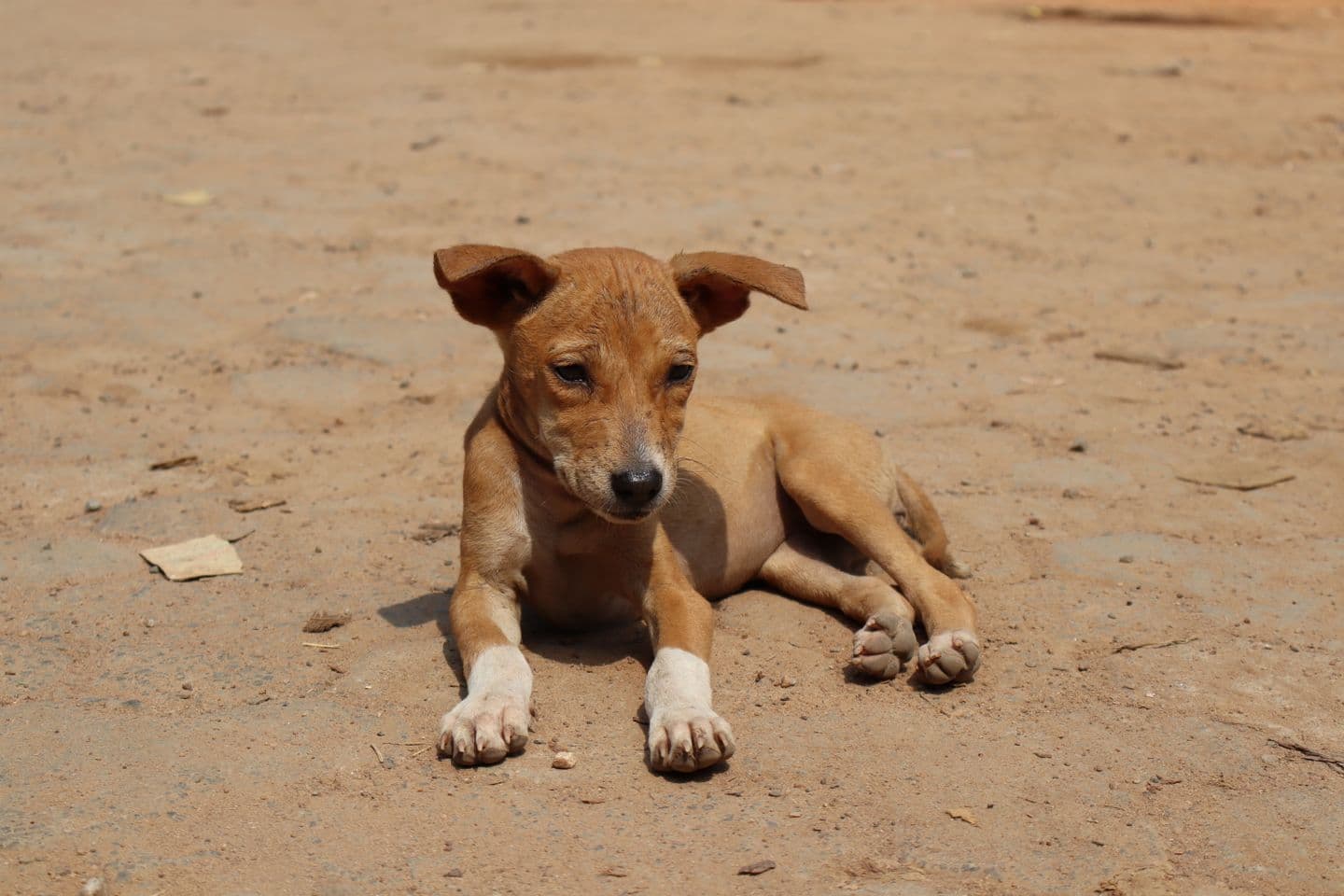
Small, wiry, and little known outside Maharashtra, the Kaikadi is a sighthound named after the Kaikadi people, a nomadic community who bred it as a watchdog and small-game hunter for a life spent cons
Small, wiry, and little known outside Maharashtra, the Kaikadi is a sighthound named after the Kaikadi people, a nomadic community who bred it as a watchdog and small-game hunter for a life spent constantly on the move.
Origin and History
The Kaikadi, sometimes called the Maratha Hound, has been documented in Maharashtra since at least the 1600s, bred and kept by the Kaikadi tribe, a nomadic community that used the dog to guard herds and hunt hare and vermin along the way. Because the breed has mixed extensively with local pariah dogs and strays over generations, tracing a truly original bloodline is difficult today, and it remains unrecognised by any major kennel club.
Physical Characteristics
A small to medium sighthound, standing roughly 38 to 46 centimetres at the shoulder and weighing around 20 kilograms, noticeably smaller than the Mudhol Hound.
A lean, thin build, similar in silhouette to a Whippet.
Colours predominantly white, tan, or black.
A short coat needing minimal upkeep.
Temperament
The Kaikadi is alert, athletic, and makes an excellent watchdog, a trait that comes directly from its history guarding livestock for a travelling community. Indian sources describe it as affectionate and high-spirited with its family and generally good with children when properly socialised, while remaining watchful of strangers and unfamiliar animals.
Living with a Kaikadi in India
This breed is rare and found almost exclusively in parts of Maharashtra today, so most Indian readers will only encounter one through a regional connection or a conservation-minded breeder.
Exercise generously: this is an energetic breed that needs real space and daily activity to stay settled.
Groom minimally, since the short coat needs only occasional brushing and copes well with Indian heat.
Socialise early, given its instinct to watch over territory and livestock rather than welcome every visitor.
Health information specific to this breed remains limited, so regular veterinary check-ups matter more than relying on generic breed guidance.
Beyond the familiar Great Dane and Saint Bernard, a number of large, calm breeds carry the same gentle-giant temperament without quite the same name recognition. Most remain genuinely rare in India, b
A once-bouncy dog that suddenly seems flat, uninterested in walks, and withdrawn from the family is unsettling to watch, and the question that naturally follows is whether dogs can actually feel somet
A healthy dog isn't just a contented one; they're more playful, more energetic and more emotionally settled. As their owner, you're the biggest factor in how well your dog thrives, day in and day out.