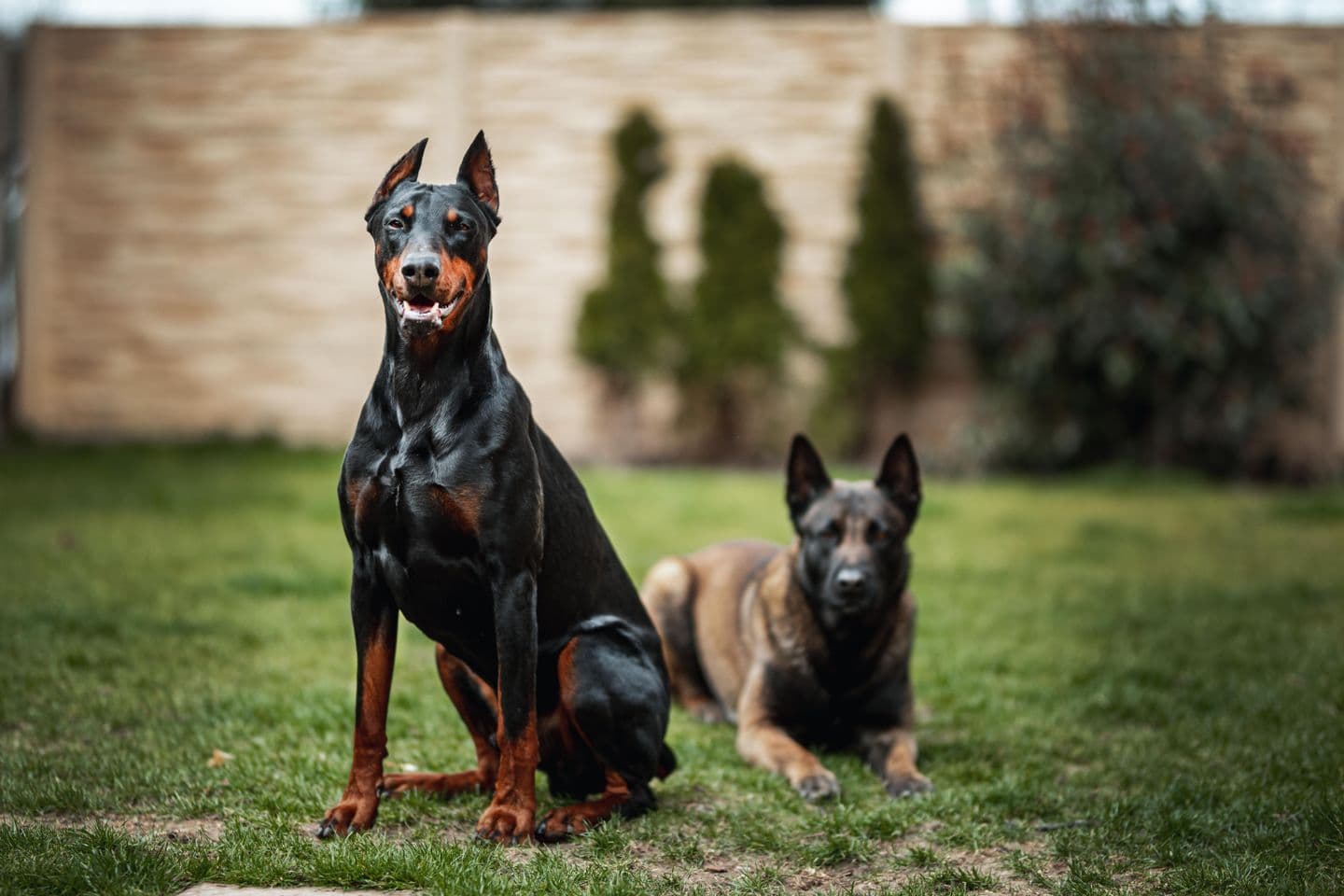
Muscular, territorial, and often nicknamed the Indian Doberman for its face and build, the Pandikona is a rare, primitive sighthound from the dry Kurnool district of Andhra Pradesh, developed to hunt
Muscular, territorial, and often nicknamed the Indian Doberman for its face and build, the Pandikona is a rare, primitive sighthound from the dry Kurnool district of Andhra Pradesh, developed to hunt wild boar and guard both home and livestock.
Origin and History
The Pandikona takes its name from a small rural settlement in the Kurnool district of Andhra Pradesh, a region with a dry, arid climate that shaped the breed's hardiness. It is considered a primitive, largely self-developed landrace, closer to a refined Indian pariah type than a formally bred sighthound, and was traditionally used by local communities to hunt wild boar and to guard property and livestock against wolves and leopards. It remains unrecognised by the Indian Kennel Club or any major international body, and is rarely found outside its native district.
Physical Characteristics
A medium to large, muscular dog, males standing 22 to 26 inches and females 20 to 24 inches at the shoulder.
A face often compared to a Doberman, with a mid-length muzzle and large, pointed, drooping ears.
A long, thick tail carried upright with a curve at the end.
Coat colours commonly fawn, black, or light brown, and short enough to need very little grooming.
Temperament
The Pandikona is loyal and loving toward its own family, particularly children it has been raised alongside, but genuinely wary of strangers and other animals. Its history as a free-roaming village guardian shows up clearly in its territorial instincts, and it will not hesitate to challenge anything it perceives as a threat. This makes it a poor choice as a second pet in a multi-dog household and a demanding one for first-time owners.
Living with a Pandikona in India
This breed is naturally adapted to hot, dry Indian conditions and needs comparatively little in the way of climate management, but its temperament calls for real experience and commitment.
Provide space and structure: this is not an apartment breed, and it needs a secure, generously sized area with room to patrol.
Start socialisation early and keep it consistent, given the breed's strong territorial and protective instincts.
Exercise daily: high energy levels mean a Pandikona left under-stimulated is more likely to become reactive or destructive.
Grooming is minimal, since the short coat needs only occasional brushing and bathing.
Health issues are relatively few, a benefit of its largely natural, unmanipulated development, though regular vet visits remain important given the limited formal breed records available.
Beyond the familiar Great Dane and Saint Bernard, a number of large, calm breeds carry the same gentle-giant temperament without quite the same name recognition. Most remain genuinely rare in India, b
A once-bouncy dog that suddenly seems flat, uninterested in walks, and withdrawn from the family is unsettling to watch, and the question that naturally follows is whether dogs can actually feel somet
A healthy dog isn't just a contented one; they're more playful, more energetic and more emotionally settled. As their owner, you're the biggest factor in how well your dog thrives, day in and day out.