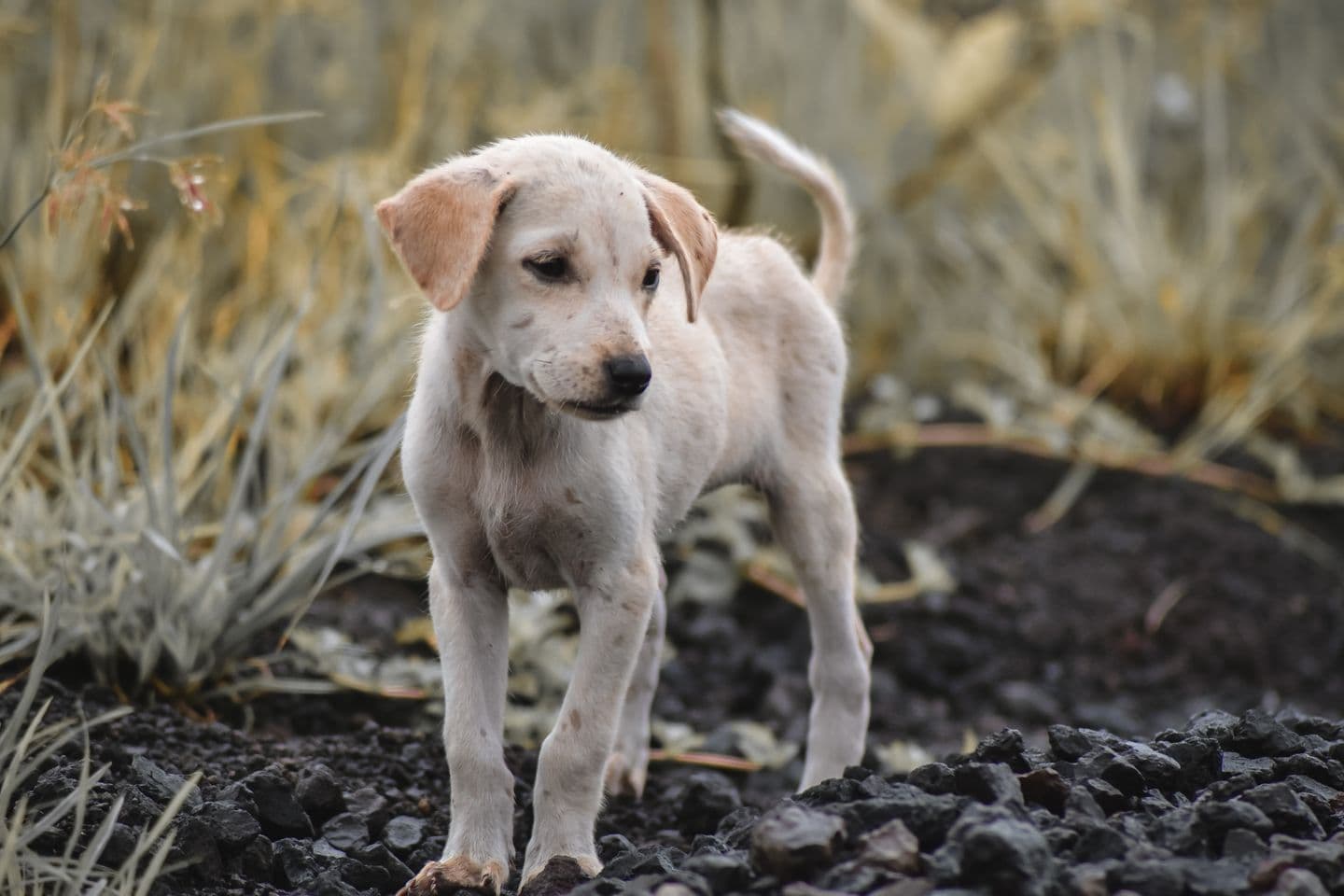
The Pashmi Hound: The Feathered Cousin of the Mudhol
Often mistaken for its smooth-coated relative, the Pashmi Hound is the medium to long-haired variety of the Mudhol Hound family, distinguished by feathering on its ears, neck, tail, and legs, and now
Often mistaken for its smooth-coated relative, the Pashmi Hound is the medium to long-haired variety of the Mudhol Hound family, distinguished by feathering on its ears, neck, tail, and legs, and now listed as an endangered breed.
Origin and History
The Pashmi Hound, sometimes called the Indian Saluki, shares its origins with the Mudhol Hound and Caravan Hound on the Deccan Plateau, and many breed historians believe it descends from Saluki bloodlines brought into India during the Mughal era through the Khyber Pass. It travelled with nomadic groups across central India and was prized for hunting hare, fox, and blackbuck over rough, open country. Today it survives in only a few pockets of Maharashtra and is formally listed as endangered.
Physical Characteristics
A lean, muscular sighthound, 61 to 76 centimetres at the shoulder, weighing around 22 to 28 kilograms.
The defining feature is coat length: unlike the smooth Mudhol Hound, the Pashmi carries longer hair on its ears, neck, tail, and the backs of its legs.
A long, narrow head with a tapering muzzle and oval eyes in shades of brown or hazel.
Common colours include fawn, red, cream, and fallow.
Temperament
The Pashmi is intelligent, sensitive, and reserved with strangers, much like its smooth-coated relatives. It is an independent thinker with a strong hunting instinct, and while it can be aloof at times, it forms genuine loyalty to its family when treated with patience and respect.
Living with a Pashmi Hound in India
Because this is an endangered breed with very few purebred dogs remaining, most Indian readers are more likely to encounter a Pashmi through conservation programmes than through casual adoption. Care needs mirror those of the Mudhol Hound, with one addition for the coat.
Brush the feathered areas, particularly ears and tail, a few times a week to prevent matting, especially through the humid monsoon months.
Provide ample running space, since this remains a working sighthound at heart, unsuited to a small flat without a serious daily exercise commitment.
Watch nutrition closely during the growth phase, as with all lean sighthound puppies, to support steady rather than rapid growth.
Support breed conservation where possible, given how few dogs remain to sustain the bloodline.
Beyond the familiar Great Dane and Saint Bernard, a number of large, calm breeds carry the same gentle-giant temperament without quite the same name recognition. Most remain genuinely rare in India, b
A once-bouncy dog that suddenly seems flat, uninterested in walks, and withdrawn from the family is unsettling to watch, and the question that naturally follows is whether dogs can actually feel somet
A healthy dog isn't just a contented one; they're more playful, more energetic and more emotionally settled. As their owner, you're the biggest factor in how well your dog thrives, day in and day out.