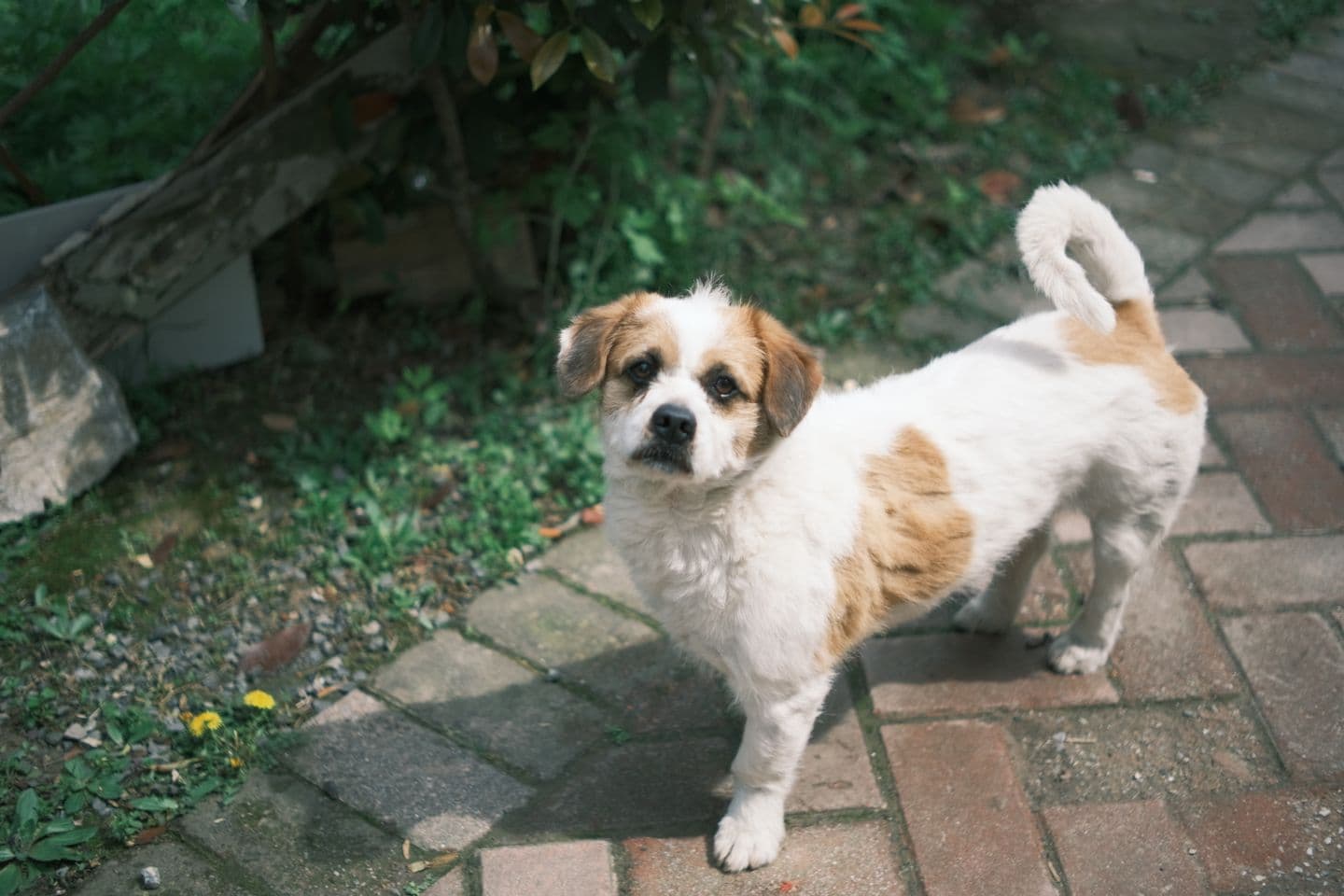
Tibetan Terrier: The Monastery Companion India Helped Introduce to the World
Despite the name, the Tibetan Terrier is not a true terrier at all. It never went to ground after prey the way earthier breeds like the Jack Russell did. Instead, it developed over roughly two thousan
Despite the name, the Tibetan Terrier is not a true terrier at all. It never went to ground after prey the way earthier breeds like the Jack Russell did. Instead, it developed over roughly two thousand years in the monasteries and mountain villages of Tibet, valued as a watchdog and companion rather than a hunter. Locally, the breed was sometimes called the Holy Dog, or Luck Bringer, and was traditionally never sold, only given as a gift of gratitude or esteem.
An Indian thread in the breed’s story
India has an unexpected role in how this breed reached the rest of the world. In the early twentieth century, a British physician practising in India, Dr Agnes Greig, was given a Tibetan Terrier puppy by a grateful patient’s family. She named the dog Bunti, later acquired a male, and began breeding them after returning to Britain, effectively founding the breed’s presence outside Tibet. It is a fitting piece of history for Indian dog lovers considering this rare and dignified breed today.
What the breed looks and acts like
Tibetan Terriers are medium-sized, square-bodied dogs with a distinctive double coat, a woolly undercoat beneath a long topcoat that can be straight or wavy. Their large, flat, well-furred feet, sometimes called snowshoe feet, were originally suited to snow and rocky mountain terrain.
Affectionate and people-oriented, they form close bonds with their family and tend to be reserved with strangers.
Intelligent but independent, which can make training a little slower than with more eager-to-please breeds, though positive reinforcement works well.
Naturally vocal, carrying on their heritage as monastery watchdogs, so early training around excessive barking is useful in Indian apartment settings.
Adaptable temperament that suits both city apartments and larger homes, provided exercise needs are met.
Grooming: the biggest commitment
The coat is where a Tibetan Terrier demands real dedication. Left ungroomed, that double coat mats quickly, particularly in India’s humidity.
Brush several times a week. A slicker brush and metal comb, worked down to the skin rather than just over the surface, prevent the dense undercoat from matting.
Bathe roughly once a month. More frequent bathing may be needed during the monsoon, when damp fur close to the skin can lead to fungal or bacterial skin trouble if not dried thoroughly.
Consider a shorter trim for Indian summers. While the coat evolved for cold mountain climates, many Indian owners opt for a shorter, more manageable trim during peak heat, since the full coat can be a burden in extended high temperatures.
Dry thoroughly after every bath and monsoon walk. Trapped moisture at the skin is one of the most common causes of coat and skin problems in double-coated breeds living in humid Indian regions.
Exercise and health
Tibetan Terriers need a moderate amount of activity, up to about an hour a day, through walks and play. They are not built for intense heat, so exercise during Indian summers is best scheduled for cooler parts of the day, with plenty of shade and water available.
The breed is generally long-lived, often reaching well into its teens, though hip dysplasia and certain inherited eye conditions are worth screening for. As with any less common breed in India, working with a knowledgeable vet familiar with the breed’s specific needs is worthwhile.
A rare find in India
Tibetan Terriers remain uncommon in India, and prospective owners are far more likely to find one through a dedicated breed rescue or a small, reputable enthusiast network than through mainstream channels. For a family with the time to commit to serious coat care, the reward is a devoted, dignified companion with a genuinely unusual history, one that, fittingly, has a small piece of India woven into its own story.
Beyond the familiar Great Dane and Saint Bernard, a number of large, calm breeds carry the same gentle-giant temperament without quite the same name recognition. Most remain genuinely rare in India, b
A once-bouncy dog that suddenly seems flat, uninterested in walks, and withdrawn from the family is unsettling to watch, and the question that naturally follows is whether dogs can actually feel somet
A healthy dog isn't just a contented one; they're more playful, more energetic and more emotionally settled. As their owner, you're the biggest factor in how well your dog thrives, day in and day out.