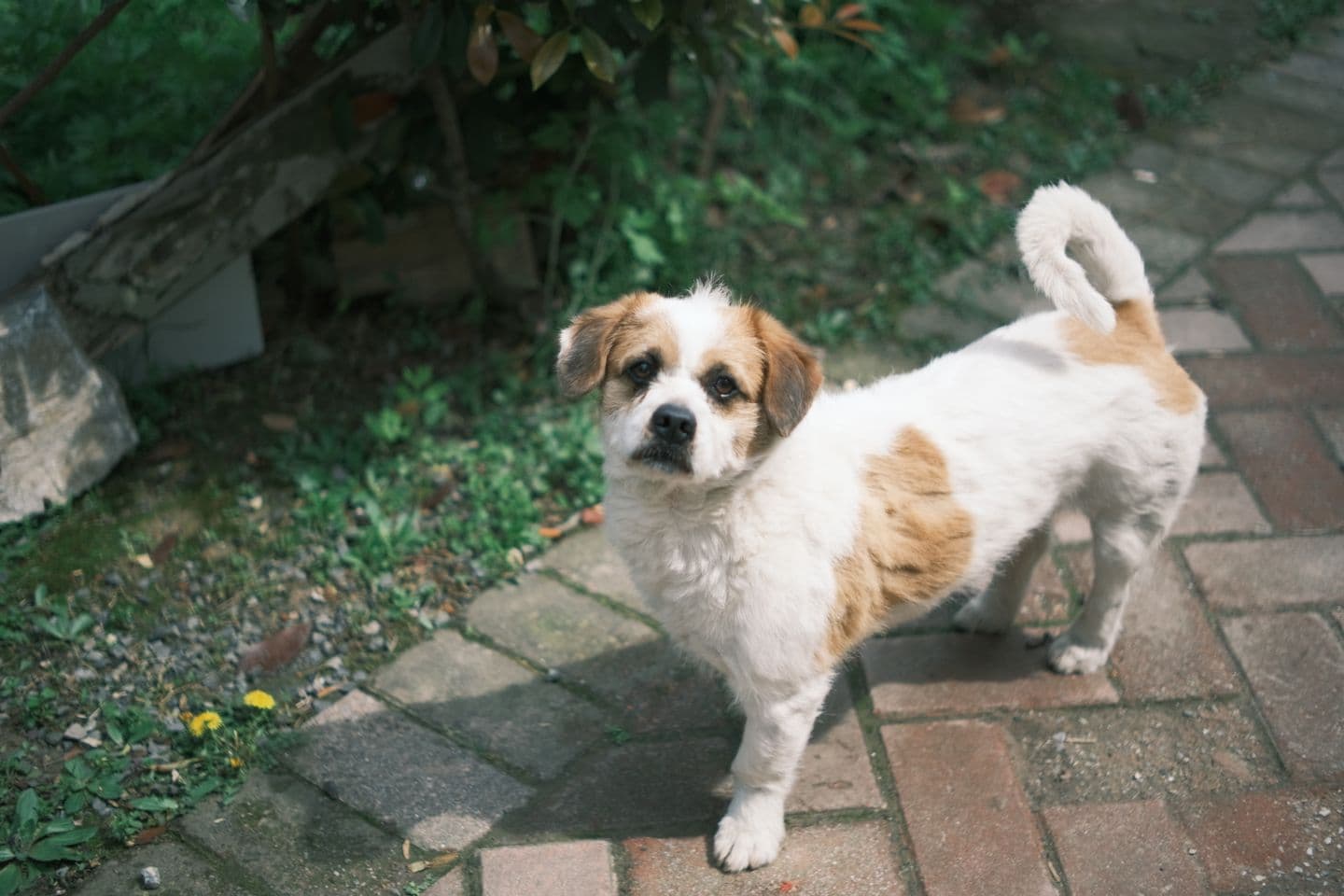
Other names: Chitral Watchdog, Vikhan Shepherd | Native to: Himachal Pradesh, India, and the Chitral region of Khyber Pakhtunkhwa, Pakistan
Quick facts
A livestock guardian breed whose name derives from the Sanskrit word vikh, meaning broken or hermit
Lighter framed than most guardian breeds, built more for speed than sheer strength, resembling a large Scotch Collie
Long coat in black, reddish or mottled shades, traditionally shorn and spun into wool
Not recognised by any kennel club and considered close to extinction
The story
High in the mountain passes where Himachal Pradesh meets the rugged terrain toward Chitral, the Vikhan has lived and worked largely apart from the rest of India's dog breeds, its very name reflecting a sense of isolation. Sanskrit for broken or hermit, the name likely nods either to the harsh, fragmented landscape the breed calls home or to its own solitary, self reliant nature.
Unlike heavier livestock guardians such as the Bakharwal or Himalayan Sheepdog, the Vikhan is built with speed as much as strength in mind, giving it a leaner, more collie like silhouette. Its long, dense coat serves a dual purpose: protection against harsh mountain winters, and in some communities, a source of wool that is shorn and woven, much like a sheep's fleece.
In its working role, the Vikhan does not herd its flock so much as blend into it, staying close and watchful, ready to confront predators such as leopards with aggressive displays and vocal intimidation before resorting to a direct attack if a threat does not back down. This instinctive, independent style of guarding has made it a valued asset to shepherd communities across generations.
Build and appearance
The Vikhan is described as resembling a large Scotch Collie, lighter framed than most other livestock guardian breeds and clearly built more for speed and agility than for sheer bulk. It has drooping ears, a bushy tail and a long coat that often comes in solid patches of black, brown, red and fawn, though various colours and spotting patterns are also found across the breed. In some communities the coat is regularly shorn, much like a sheep's, and the hair is spun into a dark, coarse wool used locally in textiles.
This lighter, more athletic build sets the Vikhan apart from heavier Himalayan guardians like the Bakharwal, giving it the agility to patrol broken, rocky terrain rather than relying purely on mass to deter predators.
Where things stand today
Because it bonds with livestock from a young age, the Vikhan instinctively integrates into a flock rather than actively herding it, watching for outsiders and confronting threats directly when needed. It is intelligent and quick to learn commands, but its guarding instincts also mean it can be genuinely aggressive without careful early socialisation, and it is not considered a suitable breed around unfamiliar children.
Very little formal documentation exists on the Vikhan, and it has never been evaluated by a kennel club on either side of the border. Its numbers have fallen sharply, and pure lines are now hard to find. For a breed that has spent centuries guarding remote Himalayan flocks, it deserves far more attention from India's native breed conservation movement, particularly given how little formal research currently exists to even establish a reliable population count.
Beyond the familiar Great Dane and Saint Bernard, a number of large, calm breeds carry the same gentle-giant temperament without quite the same name recognition. Most remain genuinely rare in India, b
A once-bouncy dog that suddenly seems flat, uninterested in walks, and withdrawn from the family is unsettling to watch, and the question that naturally follows is whether dogs can actually feel somet
A healthy dog isn't just a contented one; they're more playful, more energetic and more emotionally settled. As their owner, you're the biggest factor in how well your dog thrives, day in and day out.