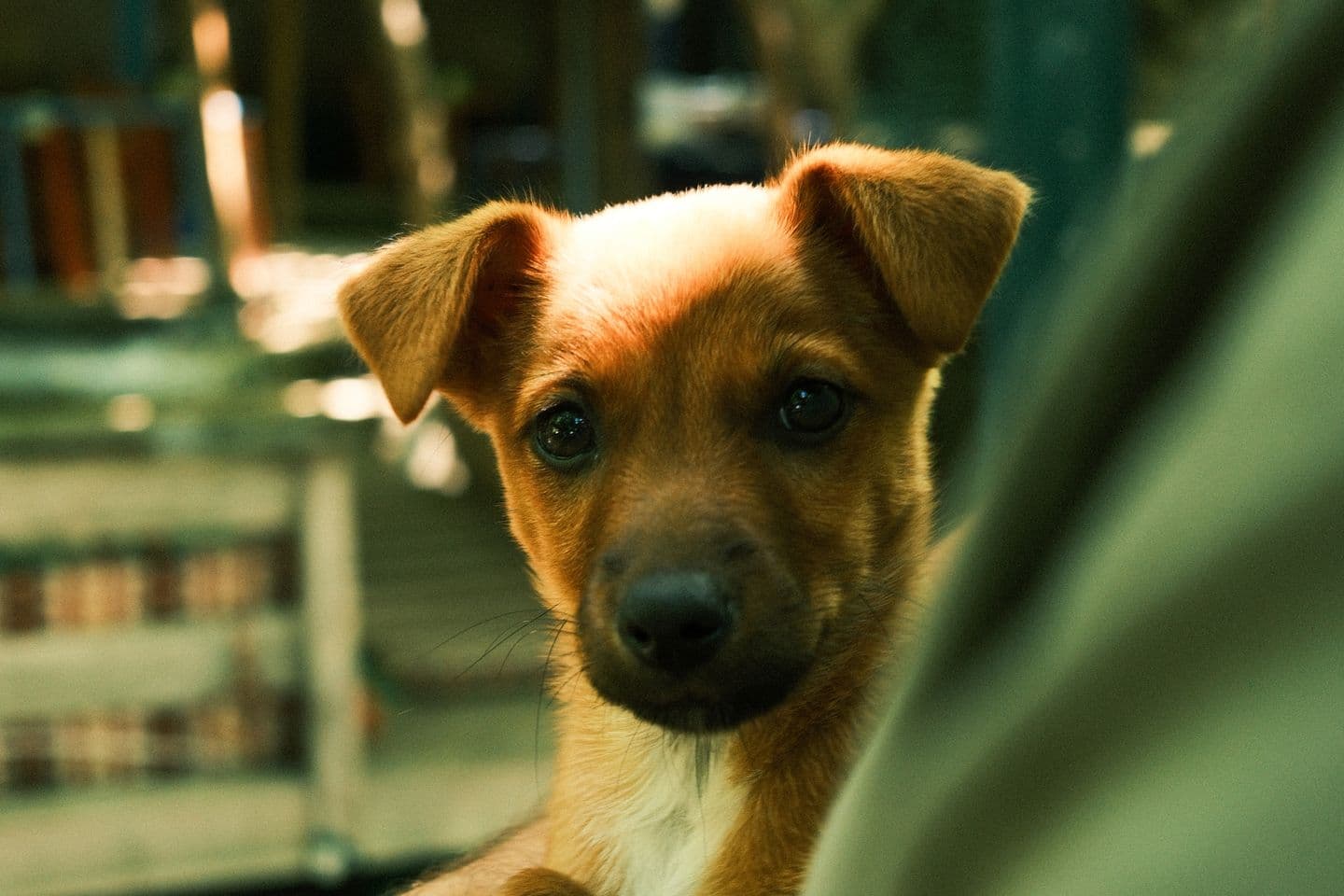
Bringing Home a Puppy: A Complete, No-Nonsense Guide
Bringing a puppy home is one of life's genuine joys, and one of its bigger responsibilities. Those wide eyes, wagging tails and tiny clumsy paws bring a lot of love into a house, along with a fairly s
From choosing the right pup to raising a confident, well-adjusted dog.
Tags: puppy care guide, new puppy checklist, puppy training, puppy vaccinations, raising a puppy
Bringing a puppy home is one of life's genuine joys, and one of its bigger responsibilities. Those wide eyes, wagging tails and tiny clumsy paws bring a lot of love into a house, along with a fairly steep learning curve of new routines, training and endless curiosity.
Whether this is your first puppy or you simply want a refresher, here's what actually matters, from preparation right through to bonding.
1. Choose a puppy that fits your actual life.
Good puppy parenting starts before the puppy even arrives. Think honestly about your lifestyle: do you live somewhere with easy access to outdoor space, or is it more of a flat with limited room? Are you naturally active, or more of a homebody? Can you realistically commit to daily exercise, grooming and training? Different breeds carry different temperaments, exercise needs and health tendencies, so it pays to research properly before deciding. Shelters, responsible breeders and rescue organisations are all reasonable places to start. The right match fits your household, not just your heart.
2. Puppy-proof before they arrive.
Puppies are naturally curious and will chew, explore and test boundaries relentlessly. Keep electrical cords, small objects, cleaning products and toxic plants well out of reach. Use baby gates to block off stairs or the kitchen. Store shoes, cables and anything fragile securely, and check the garden for gaps in fencing or poisonous plants. Think of it as baby-proofing, but for a faster, furrier toddler who bites everything in sight. A safe environment means fewer accidents and a much smoother start for everyone.
3. Get the essentials sorted early.
A handful of key supplies make the transition far easier.
4. Get feeding right from day one.
A balanced diet matters enormously during a puppy's rapid growth phase. Talk to your vet about food suited to your dog's breed size, age and activity level. Choose high-quality puppy food built for bone, muscle and brain development, and avoid adult dog food, since puppies need more calories and protein than a grown dog. Stick to consistent meal times and portions, keep fresh water available at all times, and if you switch brands, do it gradually. Good nutrition now lays the groundwork for lifelong health.
5. Book that first vet visit promptly.
Aim for a vet check within a few days of bringing your puppy home. They'll run a health check, talk through vaccinations and parasite prevention, and answer any early questions you have. Follow-up visits through the first year matter for vaccinations, deworming, flea and tick prevention, growth monitoring, and conversations around spaying or neutering. Some owners take out pet insurance; others build a dedicated savings fund for veterinary costs. Either way, staying ahead of problems beats reacting to them.
6. Stay on top of vaccinations.
Vaccines protect against serious, sometimes fatal diseases such as parvovirus, distemper and rabies. Most puppies begin their vaccination schedule around six to eight weeks old, with booster shots continuing every few weeks until around sixteen weeks. These check-ins also give your vet a chance to track growth and advise on dental care and nutrition as your puppy develops.
7. Start house training on day one.
House training tests everyone's patience, but consistency wins out. Take your puppy to their designated spot right after they wake up, eat, or play, and praise them immediately when they get it right. Supervise closely and limit their access to the house until they're reliably trained, and expect the odd accident along the way. Crate training can support housebreaking too. Never punish mistakes; redirect and reinforce the behaviour you actually want instead.
8. Prioritise socialisation.
Beyond toilet training, socialisation matters enormously between eight and sixteen weeks, the most impressionable stretch of a puppy's life. Introduce them to different sounds, people, animals and environments in a safe, controlled way, since positive early experiences help prevent fear-based behaviour later on. Begin basic commands like sit, stay and come using reward-based methods, which build confidence while strengthening your bond.
9. Build in proper exercise and play.
Puppies have boundless energy, but it needs structure. Short, gentle walks, games of fetch, tug and simple mental exercises support coordination and trust alike, and physical activity helps prevent the chewing and mischief that boredom tends to bring. Adjust the intensity for age and breed; too much exercise too soon can damage developing joints, while too little leaves them frustrated and full of pent-up energy.
10. Introduce grooming early and gently.
Get your puppy comfortable with grooming from the start. Brushing, bathing, nail trims and teeth cleaning should all become positive, familiar experiences. Handle their paws, ears and mouth gently to build comfort, pair it with treats and praise, and choose gentle shampoos and soft brushes suited to sensitive skin. Good habits here prevent matting, dental problems and skin infections down the line.
11. Focus on bonding, not just obedience.
A puppy's emotional development matters just as much as their physical care. Spend time playing, training and simply cuddling together, and build in quiet moments where your puppy rests near you; dogs find security in calm presence, not only in excitement. Obedience classes or outdoor adventures can support this too. A strong bond results in a confident, well-adjusted dog who genuinely sees you as their trusted leader.
12. Ease them into being alone.
Puppies form deep attachments quickly, so learning to cope alone takes practice. Start small: step out of the room for brief periods and gradually stretch the time away. Offer a safe toy, calming music or a chew before you leave, and keep goodbyes and greetings low-key. Over time, your puppy learns that you always come back, and building that independence early helps prevent anxiety later.
13. Understand what's actually normal behaviour.
Chewing, nipping and sudden bursts of the zoomies are all a completely normal part of puppyhood, helping them explore and burn off energy. Redirect chewing onto proper toys, offer safe teething relief, and keep consistent rules in place. Your puppy isn't being naughty; they're simply learning how to be a dog in a very human world.
Puppy Essentials Checklist
Collar and ID tag with your current contact details
A comfortable, adjustable leash and harness for training
Stainless steel or ceramic food and water bowls to avoid bacteria build-up
A cosy bed and crate for resting and safe downtime
Puppy food formulated for growth and development
Toys and chews to help with teething and mental stimulation
Budget for grooming tools, training treats and routine vet visits too. Having everything ready before your puppy arrives makes those first few days far smoother.
The Bottom Line
Raising a puppy is both a joy and a genuine responsibility. From their first wag to their first proper walk, every early experience shapes who they'll grow into.
With patience, consistency and love, you're not just raising a pet; you're nurturing a lifelong companion who will pay you back in loyalty, laughter and unconditional affection. Start with care, lead with compassion, and enjoy the journey, one paw at a time.
Beyond the familiar Great Dane and Saint Bernard, a number of large, calm breeds carry the same gentle-giant temperament without quite the same name recognition. Most remain genuinely rare in India, b
A once-bouncy dog that suddenly seems flat, uninterested in walks, and withdrawn from the family is unsettling to watch, and the question that naturally follows is whether dogs can actually feel somet
A healthy dog isn't just a contented one; they're more playful, more energetic and more emotionally settled. As their owner, you're the biggest factor in how well your dog thrives, day in and day out.