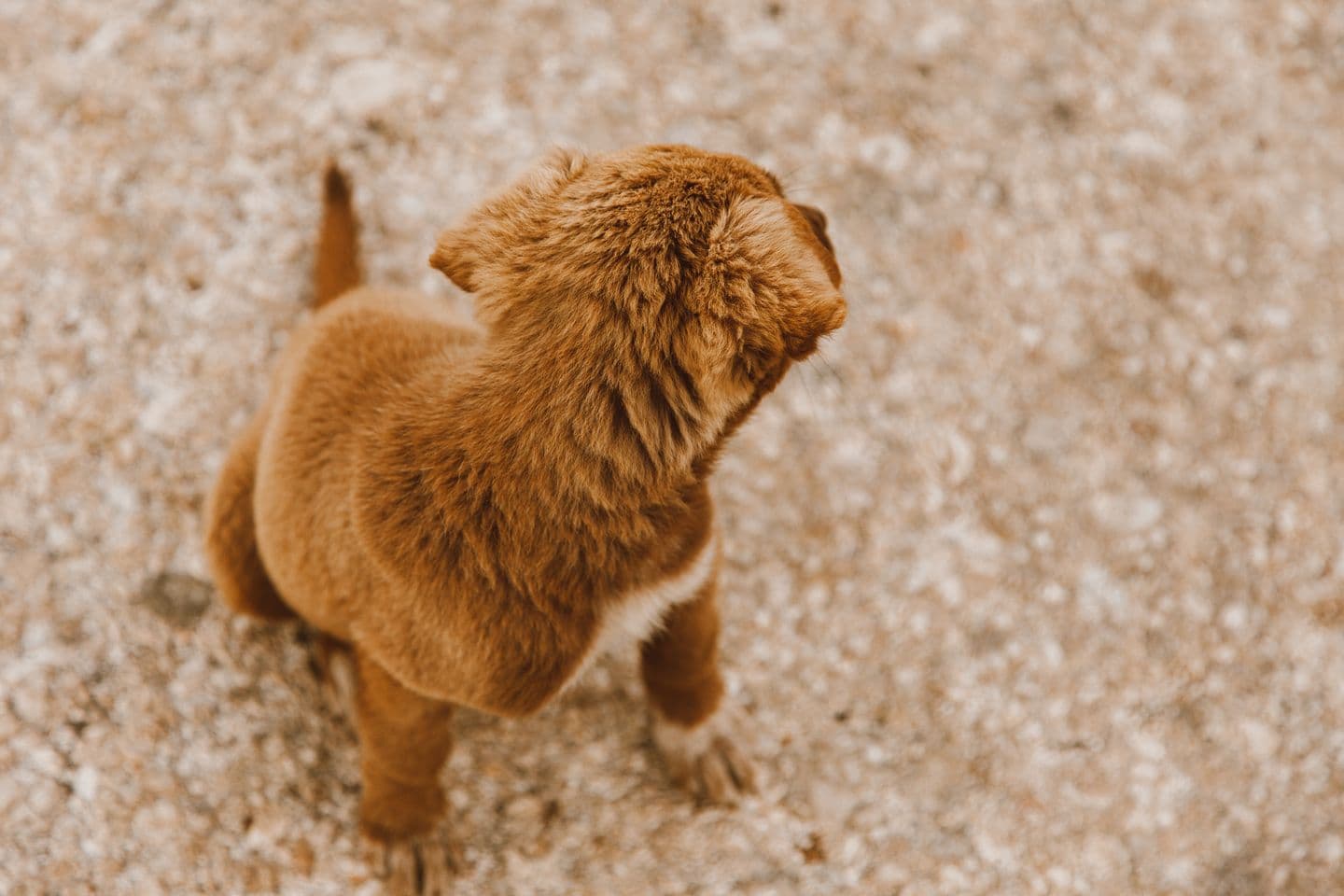
Building a Puppy Safe Home: A Room by Room Guide for Indian Households
Indian homes have their own particular hazards for a curious puppy that most Western puppy proofing guides never mention. Between loose electrical wiring, open balconies, spice tins at floor level, an
Indian homes have their own particular hazards for a curious puppy that most Western puppy proofing guides never mention. Between loose electrical wiring, open balconies, spice tins at floor level, and the ever present temptation of chappals by the door, a thorough safety check pays for itself many times over in the first month. But a safe home and a happy home are not quite the same thing, and a puppy that is merely protected from harm can still be bored, understimulated or physically uncomfortable. Both halves need attention.
Kitchen
Store onions, garlic, raisins and chocolate well out of reach, all toxic to dogs and common in most Indian kitchens
Keep the dustbin lidded, food scraps and bones can cause choking or splinter internally
Secure loose spice containers and masala boxes on lower shelves
Watch hot tawas, pressure cookers and boiling pots left near floor level
Living areas and bedrooms
Tuck away or cover loose electrical wires, a favourite chew target that can cause serious burns
Move houseplants like money plant, aloe vera stems and lilies, several common Indian household plants are toxic if chewed
Keep mosquito repellent liquids, coils and cassettes out of reach, these are genuinely dangerous if chewed or ingested
Store medicines, including everyday items like paracetamol, in a closed cabinet
Balconies and open areas
Balcony safety deserves special attention in Indian apartments. Install proper mesh netting on any balcony a puppy has access to, gaps in railings are wide enough for small breed puppies to slip through, and falls from height are a genuine and recurring cause of emergency vet visits in Indian cities.
Entryway
Move footwear out of reach, leather chappals and rubber slippers are both a choking hazard and an expensive chew toy
Keep the main door latch secure, puppies are quick to slip out when a door is left ajar for deliveries
Bathroom
Store phenyl, floor cleaners and toilet cleaners on a high shelf, never on the floor where a puppy can nose them open
Keep the toilet lid down if strong cleaning chemicals are used regularly
A five minute weekly habit
Get down to the puppy's eye level once a week during the first few months and scan each room again. Puppies grow fast, and a shelf that was out of reach in week two may not be by week eight.
Common Indian household items people forget about
Pooja room items, including diyas, matchboxes, camphor and incense sticks, all sit at floor level in most homes
Silica gel sachets tucked inside shoe boxes and new appliance packaging
Rangoli powder and other decorative colours during festival season
Loose coins and small idols kept on low shelves or altars
Coconut shells and betel nut pieces left out after rituals, both hard enough to cause dental damage or obstruction
Setting up a dedicated puppy zone
In the early weeks, it helps to restrict the puppy to one or two easily supervised rooms using a baby gate or exercise pen, rather than giving it free run of the entire house. This is not about confinement for its own sake, it simply means fewer hazards to check at once and faster progress with house training, since a smaller space is easier to keep consistently clean and predictable.
Comfort and temperature management
A safe home still needs to be a physically comfortable one, and this is where Indian climate again shapes the details. Bedding placed directly on cold marble or stone flooring can leave a puppy shivering through winter nights in northern India, so a raised bed or a thick mat underneath solves this cheaply. Through summer, the opposite problem applies, a puppy's resting spot should never be in direct sun through a window or on a heat trapping surface like a metal balcony floor at midday. Many Indian homes now use a simple pedestal fan angled away from direct airflow on the puppy, or position the bed near the coolest part of the house, typically a room away from west facing windows, to help a young dog regulate itself through the hottest months without depending entirely on air conditioning.
Mental enrichment, not just physical safety
A puppy left in an empty, hazard free room all day is safe, but not particularly happy. Boredom in young dogs shows up as excessive chewing, digging, barking or simply flat, low energy behaviour, and it is just as much a welfare issue as a physical hazard. Rotating a small set of chew toys rather than leaving everything out at once keeps novelty alive, and simple foraging games, such as scattering a portion of the daily kibble across a towel or muffin tray for the puppy to sniff out, cost nothing and occupy a young mind for a genuine stretch of time. Short, varied experiences, a different room to explore, a new texture underfoot, a few minutes of gentle training, matter as much to a puppy's happiness as any item on a safety checklist.
A predictable daily rhythm
Beyond objects and hazards, a happy home for a puppy is fundamentally a predictable one. Roughly consistent times for meals, walks, play and rest help a young dog feel secure, and this matters especially in larger joint families where a puppy might otherwise get attention in unpredictable bursts from different people throughout the day. A simple shared routine chart stuck on the fridge, noting who feeds and walks the puppy and when, keeps a household of many hands from accidentally overfeeding a puppy or leaving long unplanned gaps between toilet breaks.
Beyond the familiar Great Dane and Saint Bernard, a number of large, calm breeds carry the same gentle-giant temperament without quite the same name recognition. Most remain genuinely rare in India, b
A once-bouncy dog that suddenly seems flat, uninterested in walks, and withdrawn from the family is unsettling to watch, and the question that naturally follows is whether dogs can actually feel somet
A healthy dog isn't just a contented one; they're more playful, more energetic and more emotionally settled. As their owner, you're the biggest factor in how well your dog thrives, day in and day out.