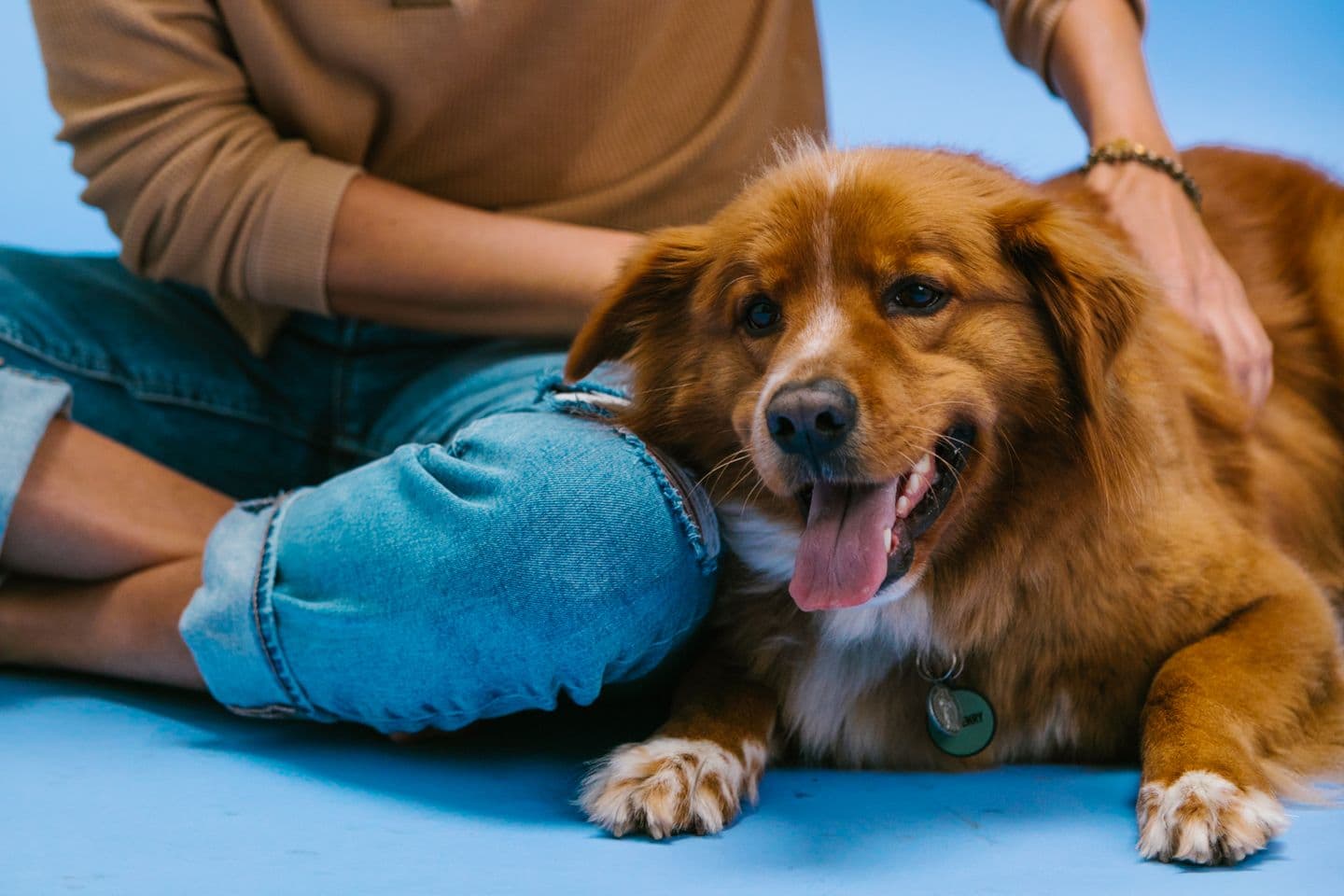
Building a Real Bond With Your Dog: Twelve Habits That Actually Work
Dogs have shared our homes and our lives for thousands of years, through every walk, every cuddle and every late-night snack raid. They aren't just living alongside us; they're genuinely attached to u
Strong friendships between dogs and their people are built, not born.
Tags: bonding with your dog, dog training, dog behaviour, dog trust, dog owner tips
Why the Bond Matters
Dogs have shared our homes and our lives for thousands of years, through every walk, every cuddle and every late-night snack raid. They aren't just living alongside us; they're genuinely attached to us.
Some dogs seem to click with their people from day one. Others need real time and patience before they trust fully, and that's completely normal. Bonding was never about control or dominance. It's about trust, understanding, and shared moments of joy. Get it right, and you end up with a calmer, more confident dog, and a much deeper friendship on both sides.
Here are twelve ways to build that connection, one small moment at a time.
1. Give them a routine they can count on.
Dogs feel safest when life is predictable. Regular feeding times, walks, play and rest let your dog relax because they know roughly what's coming next. Even a small ritual, like greeting them the same way each morning, reinforces that their world is stable.
2. Learn to read what they're telling you.
Your dog is communicating constantly, just not in words. A wagging tail, a yawn, a lowered head, all of it carries meaning. A stiff body paired with a fast tail wag usually signals tension rather than happiness, while a loose wag with soft eyes tends to mean genuine contentment. Lip-licking or looking away can point to stress. Understanding these cues lets you respond with empathy instead of confusion.
3. Give them a space that's truly theirs.
Every dog benefits from a quiet corner to retreat to when the world feels like too much. Whether that's a cosy bed, a blanket-lined crate, or a nook beside the sofa, having a dependable retreat teaches your dog that safety is always within reach.
4. Keep their brain as busy as their body.
Mental exercise matters just as much as physical exercise. Rotate toys, introduce puzzle feeders, or hide treats around the house to get them sniffing and problem-solving. Even a few minutes of interactive training a day sharpens their mind and keeps boredom, and the mischief it brings, at bay.
5. Train with encouragement, not fear.
Reward-based training is one of the most effective bonding tools available. Treats, praise and affection teach your dog that good choices lead to good outcomes, which builds both confidence and cooperation. Training sessions built this way feel like a game rather than a power struggle, and dogs simply learn better when they feel safe.
6. Make time to play, every day.
Play is connection in its purest form. A game of fetch, tug-of-war or hide-and-seek does more than burn energy; it teaches your dog who you are to them. It's also one of the rare activities guaranteed to leave you both smiling.
7. Stand up for what they need.
Your dog relies on you to understand their comfort zone. Some love meeting strangers; others would rather not. Step in when someone approaches too fast, or when another dog is making them uneasy. Once your dog learns that you'll look out for them, their trust in you deepens considerably.
8. Explore somewhere new together.
New sights and smells build confidence and curiosity. A different walking route, a dog-friendly café, or an unfamiliar trail all count. Each new experience adds to their sense of adventure, with you as the trusted guide leading the way.
9. Handle grooming with patience.
Brushing, nail trims and baths aren't just chores; done calmly, they're genuine bonding moments. Go slowly, use gentle touches, and finish each session with praise or a treat so grooming becomes associated with comfort rather than stress.
10. Sit together in the quiet moments too.
Not every bonding moment needs to be an event. Sometimes it's just being present, watching television while your dog naps beside you, or sitting quietly as the evening winds down. Dogs pick up on your energy, and calm shared moments show them you're a steady, safe presence, not only a source of excitement.
11. Stay curious as they change.
Puppies grow into adults with different needs, and older dogs often need extra patience and gentleness. Keep reading about dog behaviour, watch a few training videos, or ask your vet or trainer questions. The more you learn, the better you can meet your dog where they are at every stage of life.
12. Notice the small wins.
Bonding rarely comes down to big, dramatic moments. It lives in the small daily gestures: the happy tail when you walk through the door, the head resting on your knee, the contented sigh as they drift off beside you. Those little moments, stacked up over time, are what unconditional love is actually made of.
What It All Comes Down To
The strongest relationships aren't forced into being; they're grown, gradually and with care. Your dog isn't keeping score on how fancy their toys are or how flawless your training sessions look. What actually matters to them is your time, your patience and your presence.
Show up for your dog consistently, kindly and wholeheartedly, and you'll earn something rare in return: unwavering loyalty.
One Last Thing
Whether you've brought home a bouncy puppy or you're slowly earning the trust of a rescue, remember that trust takes time. Stay patient, stay gentle, and celebrate progress, however small it looks.
Because the best friendships often start with the simplest thing of all: love, shared one tail wag at a time.
Beyond the familiar Great Dane and Saint Bernard, a number of large, calm breeds carry the same gentle-giant temperament without quite the same name recognition. Most remain genuinely rare in India, b
A once-bouncy dog that suddenly seems flat, uninterested in walks, and withdrawn from the family is unsettling to watch, and the question that naturally follows is whether dogs can actually feel somet
A healthy dog isn't just a contented one; they're more playful, more energetic and more emotionally settled. As their owner, you're the biggest factor in how well your dog thrives, day in and day out.