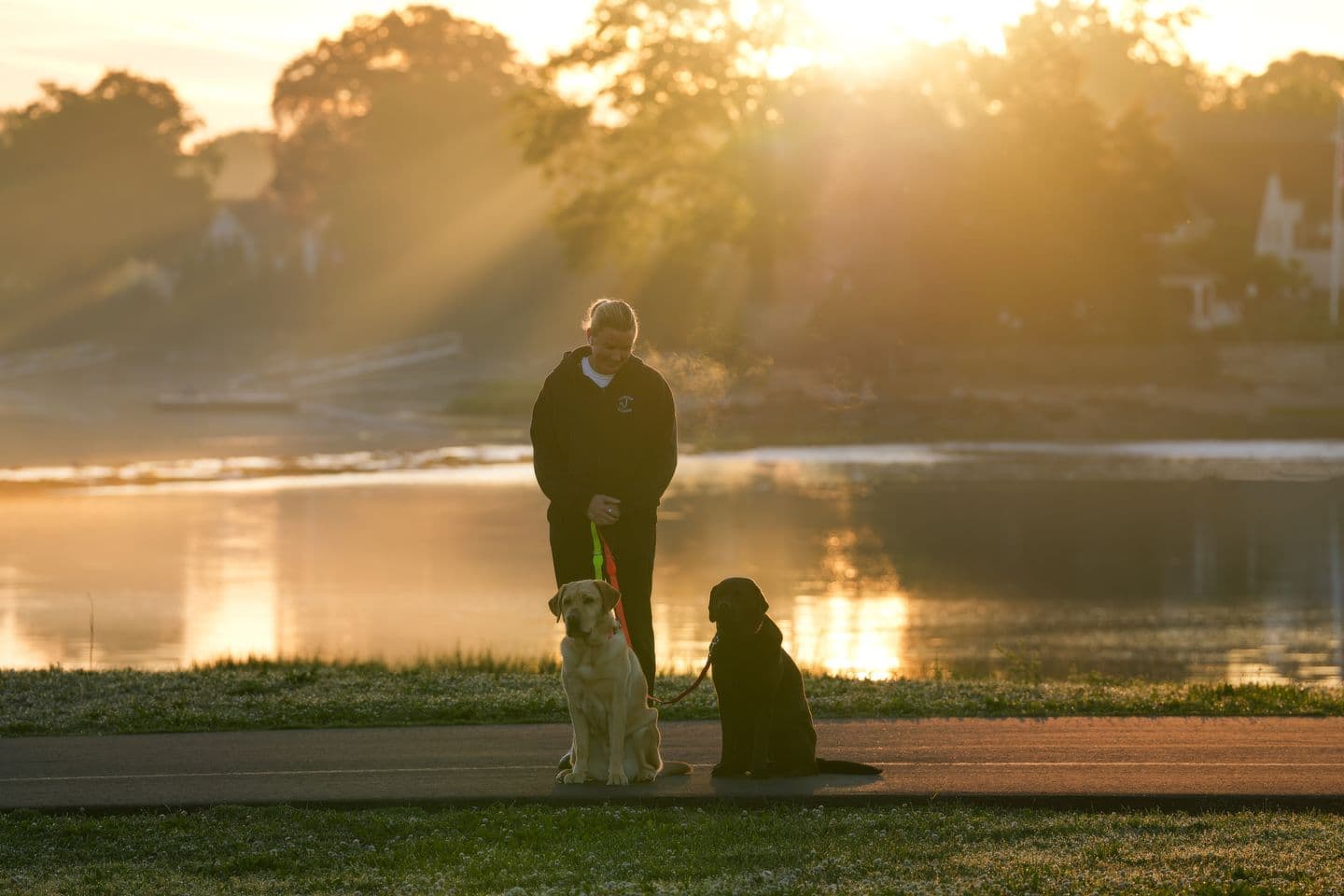
Every dog owner has faced the mild panic of a delayed walk and a dog doing an anxious little dance by the door. Knowing how long a dog can comfortably hold its stool helps you plan your day without pu
Every dog owner has faced the mild panic of a delayed walk and a dog doing an anxious little dance by the door. Knowing how long a dog can comfortably hold its stool helps you plan your day without putting your dog through unnecessary discomfort.
General guidelines by age
Puppies: roughly two to four hours, as their bladder and bowel control is still developing
Adult dogs: generally eight to ten hours, though this should not become a daily habit
Senior dogs: usually four to eight hours, as ageing muscles and nerves reduce control
These numbers are upper limits, not targets. A dog that is regularly made to hold on for the maximum stretch is more likely to develop constipation or discomfort over time.
Why senior dogs struggle more
Ageing affects the muscles that control bowel movements, and conditions such as arthritis can make it painful for an older dog to posture comfortably to pass stool. Cognitive decline can also interfere with the signals a dog once used to indicate they needed to go outside. If your senior dog was reliably housetrained for years and has suddenly started having accidents, this is worth raising with your vet rather than assuming it is simple ageing.
Factors that affect timing
Diet and fibre content of meals
Hydration levels, especially important in India's warmer months
Activity level, since movement stimulates digestion
Stress or a change in environment
Underlying conditions such as arthritis, gastrointestinal issues, or cognitive decline
When to be concerned
If your senior dog has not passed stool in over twenty four hours, appears to be straining without success, or seems uncomfortable, contact your veterinarian. Prolonged constipation can lead to impaction, which needs medical attention rather than a home remedy.
Making it easier for a senior dog
Offer more frequent, shorter walks rather than one long outing. Keep fresh water available at all times, and ask your vet whether a fibre supplement or a diet change would help. Most importantly, never scold a senior dog for an accident caused by physical limitations. It is not defiance. It is age doing what age does.
Reading your dog's stool as a health check
Consistency matters as much as timing. A firm, log shaped stool is the goal. Stools that are consistently hard and pellet like can indicate dehydration or too little fibre, while soft or loose stools that appear whenever your dog holds on too long may point to stress rather than a true digestive problem. Keeping a rough mental note of your senior dog's normal pattern makes it far easier to notice when something has genuinely changed.
Managing this through India's seasons
India's climate adds its own layer to bowel habits in senior dogs. Summer heat increases the risk of dehydration, which firms up stool and can make holding on more uncomfortable, so water intake deserves close attention on hot days. During the monsoon, sudden diet changes from festival food or waterlogged walking routes can unsettle digestion. Keeping walk timings and meals consistent through seasonal changes helps a senior dog's bowel habits stay predictable even as the weather is not.
Beyond the familiar Great Dane and Saint Bernard, a number of large, calm breeds carry the same gentle-giant temperament without quite the same name recognition. Most remain genuinely rare in India, b
A once-bouncy dog that suddenly seems flat, uninterested in walks, and withdrawn from the family is unsettling to watch, and the question that naturally follows is whether dogs can actually feel somet
A healthy dog isn't just a contented one; they're more playful, more energetic and more emotionally settled. As their owner, you're the biggest factor in how well your dog thrives, day in and day out.