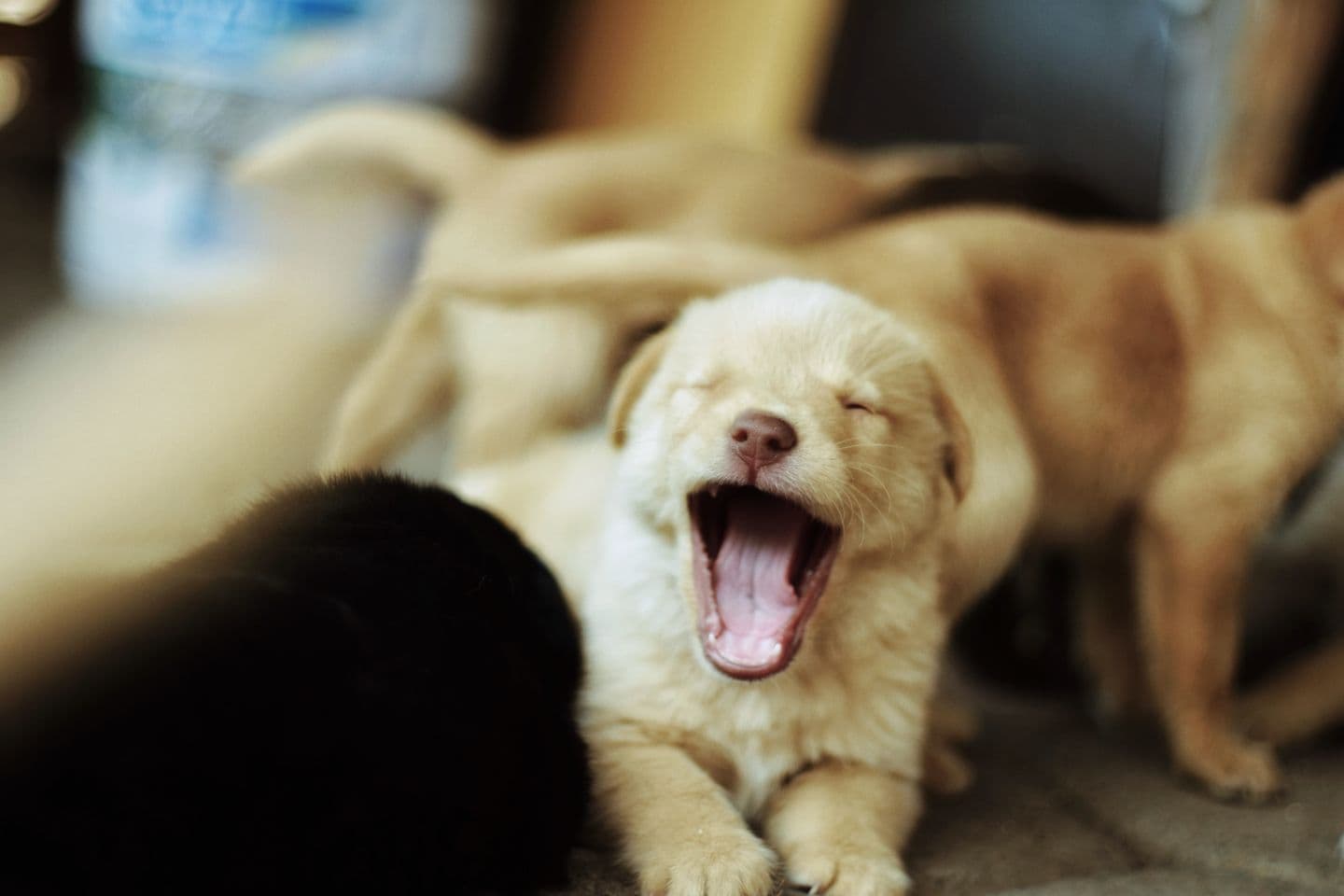
A new baby changes a household's entire rhythm, new sounds, new smells, far less predictable attention, and puppies feel this shift as much as anyone. Preparing well before the baby actually arrives m
A new baby changes a household's entire rhythm, new sounds, new smells, far less predictable attention, and puppies feel this shift as much as anyone. Preparing well before the baby actually arrives makes the eventual introduction and the months that follow considerably smoother for everyone.
Starting the groundwork early, ideally months ahead
Get a puppy comfortable with baby related sounds in advance, recordings of crying or cooing played at low volume, gradually increased, paired with treats and calm praise
Let the puppy sniff and investigate new nursery items, prams, cots, baby lotion, as they arrive in the house, rather than encountering them all at once on the day
Set up any baby gates or designated puppy free zones well ahead of time and build positive associations with them using treats, so they are not a sudden, jarring change
Refresh basic obedience, sit, stay, leave it, and settle on a mat, since these become genuinely useful tools once the baby is home
Practising the routine changes in advance
If walk times, feeding schedules or where the puppy sleeps will need to shift once the baby arrives, start that transition weeks beforehand rather than changing everything the same week the baby comes home. Practise short periods of the puppy settling calmly on its own, since your attention will genuinely be divided going forward, and a puppy that has already built some independence adjusts far more easily.
A practical tip for the early weeks
Using a baby carrier around the house during supervised puppy interactions keeps your hands free to manage the puppy, offer treats, or redirect calmly, rather than juggling an infant and a leash or collar at the same time. This small logistical choice makes it considerably easier to actually follow through on calm, rewarded introductions during the exhausting first weeks, rather than defaulting to keeping the two apart simply because managing both hands full feels unmanageable in the moment.
The first meeting
Before the baby comes home, let the puppy sniff a blanket or piece of clothing carrying the baby's scent, giving it a head start on the new smell in a low pressure way. On the actual homecoming day, have someone other than the parent carry the baby in initially, so the primary caregiver is free to greet the puppy calmly first, keeping the reunion itself low key rather than an emotional flood on top of a brand new smell and sound to process. Once settled, let the puppy observe the baby from a comfortable distance, rewarding calm behaviour, before any closer sniffing is allowed, and never force the interaction if the puppy seems hesitant.
Supervision that never lapses
Never leave a puppy and baby alone together in the same room, regardless of how relaxed and trustworthy the puppy has always seemed
Keep interactions brief and always end them before either the puppy or the baby shows any sign of being overwhelmed
Give the puppy a genuine escape route, a crate, a gated room, somewhere it can retreat to and be left alone when it needs a break from the household's new energy
Watching for signs the puppy is struggling
A once food motivated puppy going off its meals, avoiding the baby's room entirely, or showing new anxious behaviours like excessive licking or pacing are all signs worth taking seriously rather than assuming will pass on their own. Punishing fear or anxious behaviour never helps and tends to make things worse, if the adjustment is not going smoothly after a reasonable settling in period, a certified force free trainer or veterinary behaviourist can make a genuine difference.
Beyond the familiar Great Dane and Saint Bernard, a number of large, calm breeds carry the same gentle-giant temperament without quite the same name recognition. Most remain genuinely rare in India, b
A once-bouncy dog that suddenly seems flat, uninterested in walks, and withdrawn from the family is unsettling to watch, and the question that naturally follows is whether dogs can actually feel somet
A healthy dog isn't just a contented one; they're more playful, more energetic and more emotionally settled. As their owner, you're the biggest factor in how well your dog thrives, day in and day out.