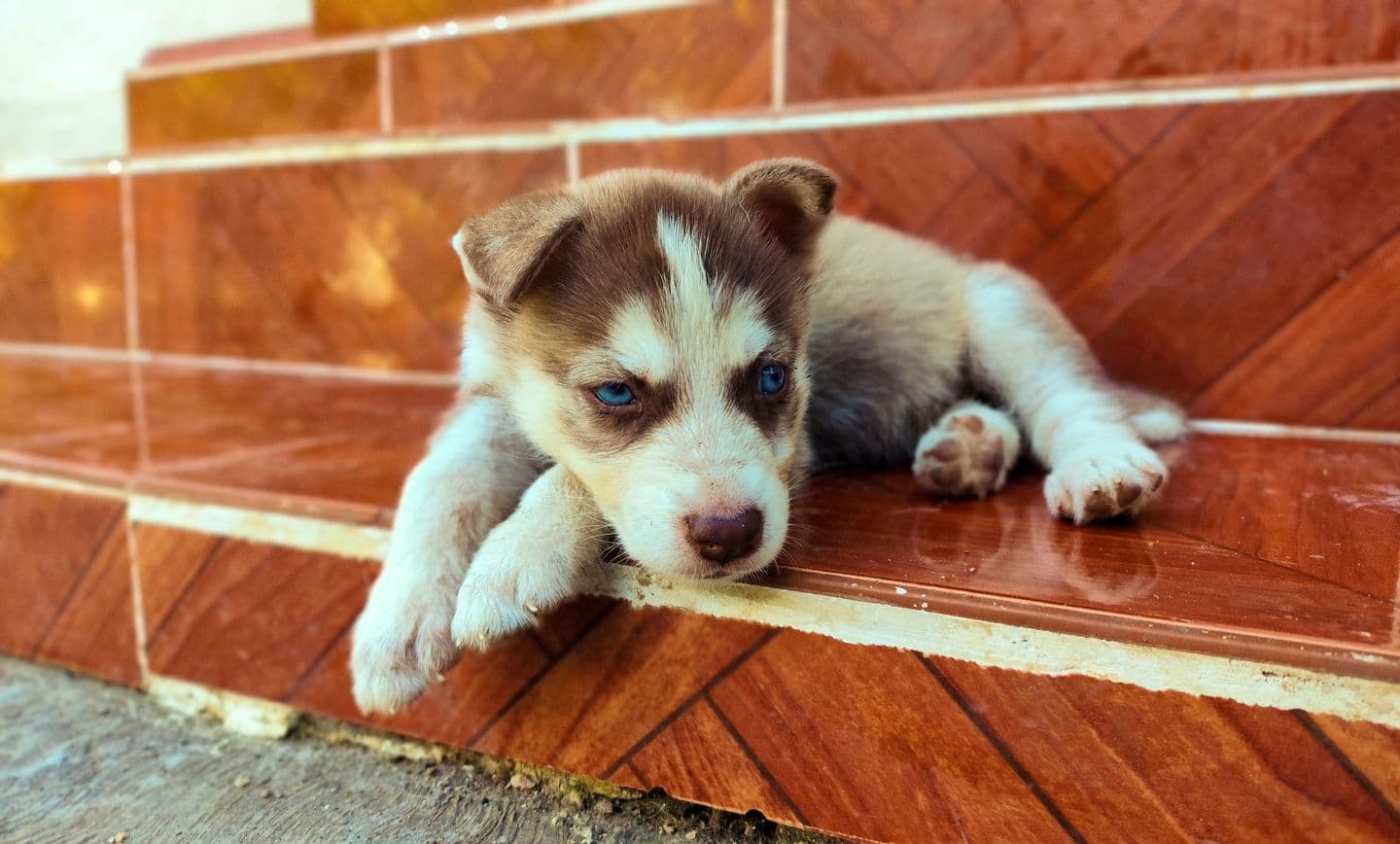
Puppy Teething: A Stage by Stage Guide to What Is Normal
That sudden urge to chew everything in sight is not a training failure, it is a puppy's mouth going through a genuinely significant physical process. Knowing the rough timeline ahead of time turns a c
That sudden urge to chew everything in sight is not a training failure, it is a puppy's mouth going through a genuinely significant physical process. Knowing the rough timeline ahead of time turns a confusing, exhausting stretch into a predictable one with a clear end point.
Weeks two to four: baby teeth begin
A puppy is born entirely toothless. The first, tiny baby teeth, also called deciduous or milk teeth, begin emerging around two to four weeks of age, while a puppy is still with its mother and littermates. By around six to eight weeks, a full set of twenty eight baby teeth is typically in place, right around the age most puppies go to their new homes.
Three to four months: baby teeth start falling out
This is the stage most owners actually witness firsthand. Baby incisors, the small front teeth, begin loosening and falling out first, sometimes found as tiny, easily missed teeth on the floor, though most are simply swallowed harmlessly during normal chewing and eating.
Four to seven months: the intense chewing phase
Canine teeth and premolars come in during this stretch, generally the most uncomfortable part of the whole process and the point where destructive chewing peaks. Gums are genuinely inflamed and sore during this window, which is why the urge to chew on absolutely everything, furniture, shoes, fingers, intensifies noticeably compared to earlier months.
By around six to eight months: a full adult set
Most puppies have their complete set of forty two permanent adult teeth by six to eight months, though the exact timing varies by breed and individual puppy, with smaller breeds sometimes finishing slightly earlier and larger breeds occasionally later.
Signs of normal teething
Increased chewing and mouthing, including on hands and fingers during play
Mild drooling, occasionally slightly blood tinged from a loosening tooth, which is normal in small amounts
Red or slightly swollen gums
Mild, occasional whimpering or reduced interest in hard kibble
Easing the discomfort
Offer a variety of chew toys, some firm, some softer, since individual puppies prefer different textures during different stages
A clean, damp washcloth, frozen for twenty to thirty minutes, makes a genuinely soothing cold chew
Avoid very hard chews, ice cubes included, which can fracture a tooth already under strain from the eruption process
Gently redirect chewing toward an appropriate toy the moment a puppy targets furniture or hands, rather than only reacting after the fact
When teething is worth a vet check
A retained baby tooth, one that has not fallen out even as the adult tooth erupts alongside it, is worth a vet's attention, since it can trap food and plaque and lead to alignment problems if left alone. Persistent teething signs well past eight months, significant bleeding, or a puppy showing real pain rather than mild discomfort also warrant a proper dental check rather than assuming it will resolve on its own.
A natural moment to start a lifelong habit
Once the adult teeth are in, generally from around six months, it is worth starting a regular tooth brushing routine if you have not already, using a dog specific toothpaste and a soft brush or finger brush. Puppies that get used to this early, even brief, gentle sessions a few times a week, tend to tolerate a lifetime of dental care far better than dogs introduced to brushing for the first time as adults.
Beyond the familiar Great Dane and Saint Bernard, a number of large, calm breeds carry the same gentle-giant temperament without quite the same name recognition. Most remain genuinely rare in India, b
A once-bouncy dog that suddenly seems flat, uninterested in walks, and withdrawn from the family is unsettling to watch, and the question that naturally follows is whether dogs can actually feel somet
A healthy dog isn't just a contented one; they're more playful, more energetic and more emotionally settled. As their owner, you're the biggest factor in how well your dog thrives, day in and day out.