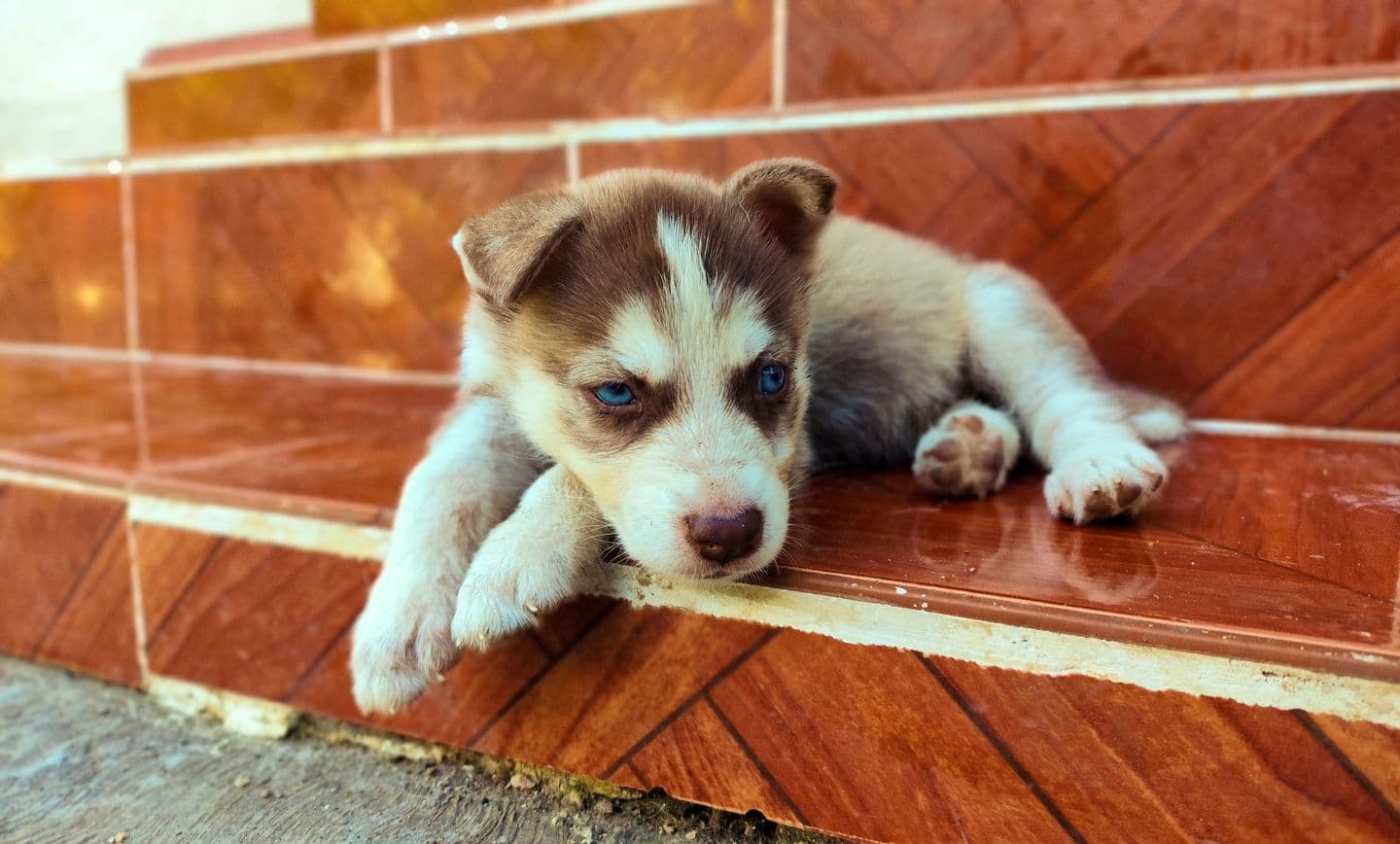
Recognising the Early Signs of Hip Dysplasia in a Growing Puppy
Hip dysplasia is one of the more common orthopaedic conditions in dogs, and while it is most strongly associated with larger breeds, catching it early, sometimes as young as three to four months of ag
Hip dysplasia is one of the more common orthopaedic conditions in dogs, and while it is most strongly associated with larger breeds, catching it early, sometimes as young as three to four months of age, makes a genuine difference to a dog's long term comfort and mobility.
What is actually happening in the joint
Hip dysplasia develops when the ball and socket of the hip joint do not fit together properly, creating looseness or laxity in a joint that should move smoothly and snugly. Over time, this instability causes abnormal wear on the cartilage, leading to pain, inflammation and eventually arthritis. Genetics play the largest role, but growth rate, weight and nutrition during puppyhood also influence how the condition develops.
Breeds at higher risk
Large and giant breeds carry the highest risk, including German Shepherds, Labrador and Golden Retrievers, Great Danes and Saint Bernards, along with many large mixed breed dogs. This is increasingly relevant for Indian households, where larger breeds have grown considerably more popular in recent years.
Signs to watch for in a young puppy
A bunny hopping gait, moving both back legs together rather than in a normal alternating stride
Reluctance to play, run or climb stairs that a puppy previously managed easily
Difficulty rising from a lying or sitting position
A noticeable sway or looseness in the hind end while walking
Reduced muscle mass in the hind legs compared to the front
Why symptoms can be misleading
Some puppies show clear signs as early as three to four months, while others, particularly as scar tissue develops around the joint to compensate for the instability, seem to improve temporarily before symptoms return more seriously in adulthood as arthritis sets in. Dogs are also generally stoic about pain, so a puppy showing no obvious limp can still have significant joint laxity developing underneath, which is why breed appropriate screening matters more than waiting for visible symptoms.
How it is diagnosed
A vet will typically assess range of motion and joint laxity by hand during a physical exam, checking for a specific looseness known as the Ortolani sign. A definitive diagnosis usually requires hip X-rays, often performed under sedation or anaesthesia for an accurate, still image, and vets may recommend this screening proactively for large breed puppies with a family history of the condition, even before symptoms appear.
What can be done during the growing months
Keep a growing puppy lean rather than allowing rapid weight gain, extra weight puts direct strain on developing joints
Feed a large breed specific puppy food if applicable, formulated to support slower, steadier growth rather than a rapid growth spurt
Favour low impact exercise, walking and swimming, over repeated jumping or high impact activity while joints are still developing
Discuss joint supplements with your vet for at risk breeds, rather than adding them without guidance
Treatment options if diagnosed
Management ranges from conservative approaches, weight control, physical therapy, pain relief and joint supplements, to surgical options in more severe cases, with the right path depending on the puppy's age, severity and overall health. Many dogs with hip dysplasia, managed appropriately, go on to live full, active lives, particularly when the condition is identified and addressed early rather than only once significant arthritis has already set in.
A related condition worth knowing about
Elbow dysplasia, a similar developmental looseness affecting the front leg joints instead of the hips, is caused by many of the same genetic and growth related factors and often shows up in the same higher risk breeds. A puppy being screened for hip dysplasia, particularly a large breed with a family history of joint issues, is often worth having its elbows checked at the same visit rather than as a separate concern later.
A note for anyone considering breeding
Because hip dysplasia has a strong hereditary component, responsible breeding programmes screen parent dogs' hips before mating, and a dog diagnosed with the condition is generally not bred from, regardless of how well managed its own symptoms turn out to be. If you are looking to acquire a large breed puppy specifically, asking a breeder whether the parents have been hip screened is a reasonable and worthwhile question.
Beyond the familiar Great Dane and Saint Bernard, a number of large, calm breeds carry the same gentle-giant temperament without quite the same name recognition. Most remain genuinely rare in India, b
A once-bouncy dog that suddenly seems flat, uninterested in walks, and withdrawn from the family is unsettling to watch, and the question that naturally follows is whether dogs can actually feel somet
A healthy dog isn't just a contented one; they're more playful, more energetic and more emotionally settled. As their owner, you're the biggest factor in how well your dog thrives, day in and day out.