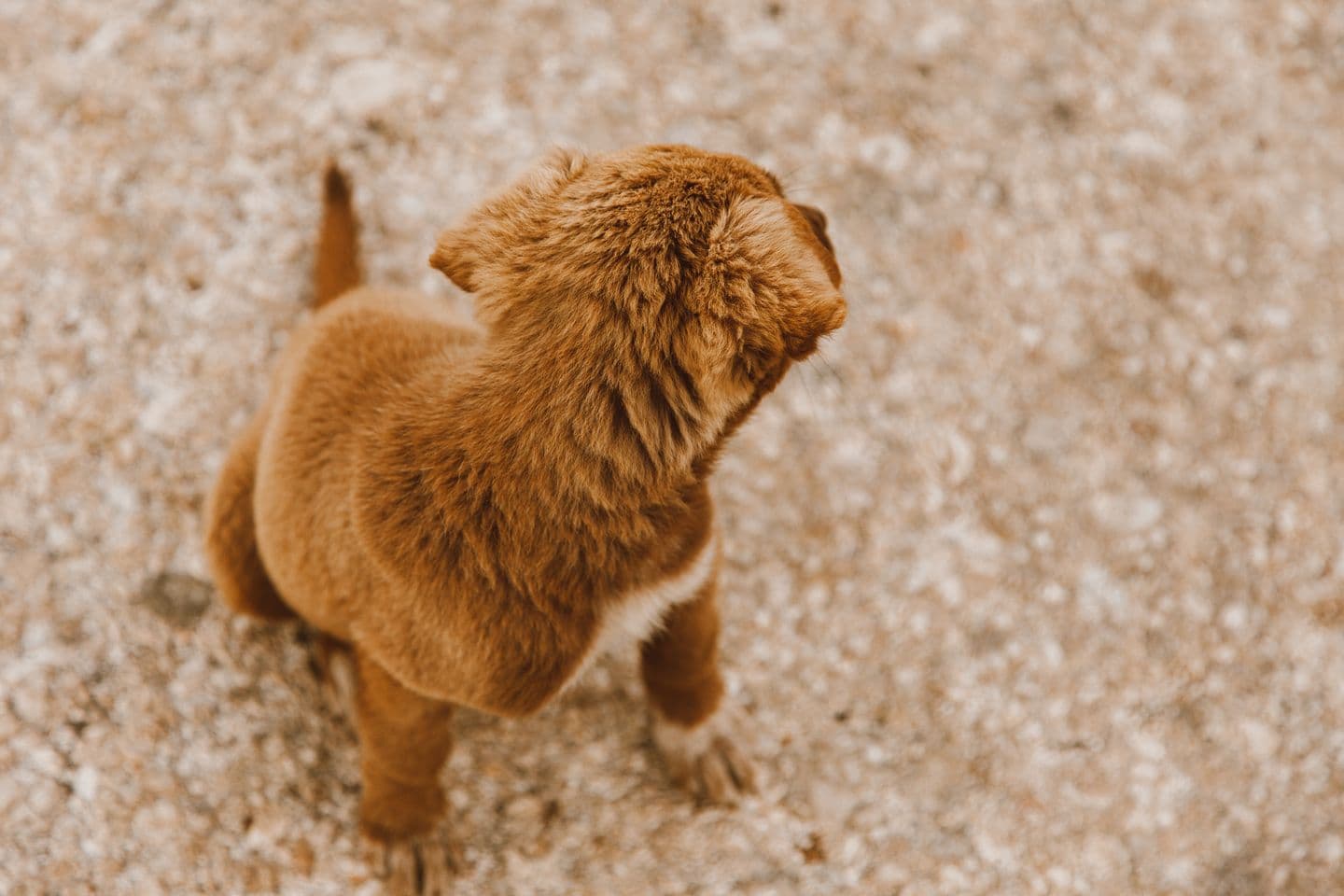
Separation Anxiety in Puppies: Prevention Beats Cure
A puppy that has never in its short life been away from its mother, littermates, or now its new family, can find being left completely alone for the first time genuinely distressing. The encouraging p
A puppy that has never in its short life been away from its mother, littermates, or now its new family, can find being left completely alone for the first time genuinely distressing. The encouraging part is that separation related distress is one of the more preventable behavioural issues, provided it is addressed early rather than only after it becomes entrenched.
Normal adjustment versus genuine anxiety
Most puppies settle within five to ten minutes of being left alone, some initial whining or restlessness followed by calming down and finding something to do, sleep, chew, explore. A puppy with genuine separation related distress instead paces, whines, barks or shows destructive behaviour for the entire time alone, showing no ability to settle even with a favourite toy or treat within reach. This distinction matters because the two situations call for quite different responses.
Building independence gradually, before it is urgently needed
Practise very short separations from the first week home, leaving the room for thirty seconds and returning calmly, well before any extended absence is required
Avoid making departures and arrivals emotionally charged, a calm, low key goodbye and hello teaches a puppy that these moments are not a big deal
Gradually extend alone time in small increments, minutes rather than hours, over the course of several weeks
Encourage some independent play and rest even while you are home, rather than a puppy being constantly attached to you whenever you are both in the house
Setting the stage for success
Ensure adequate physical exercise and mental stimulation before any planned absence, a well exercised puppy settles far more easily
Leave a food puzzle or a safe, long lasting chew to occupy the early minutes alone
A properly crate trained puppy, one that already sees the crate as a comfortable den rather than a cage, often settles better alone than one given free run of a large space
A camera to observe behaviour while you are out, even briefly, helps you gauge genuine distress versus normal settling in
What tends to make it worse
A sudden jump from constant companionship to a full day alone, common when a puppy arrives during a holiday period and the household then returns to normal work schedules all at once, is one of the more common triggers for genuine separation anxiety to take hold. Building the gradual independence steps above into the routine well before that transition happens meaningfully reduces this risk.
When it needs more than prevention
If distress signs are already established, destructive chewing focused on exit points, prolonged howling or barking, accidents despite being otherwise house trained, or excessive drooling while alone, this has moved past normal adjustment and benefits from a structured desensitisation plan, ideally with guidance from a certified force free trainer or veterinary behaviourist rather than trial and error alone.
Where supplements and medication fit in
For puppies with more entrenched anxiety, a vet may discuss supportive options alongside training, calming pheromone diffusers, certain natural supplements, or in more significant cases, anti anxiety medication prescribed and monitored by a vet. These tools generally work best as support for a proper desensitisation plan, not as a replacement for it, and should always be discussed with a vet first rather than tried independently, particularly for a still developing young puppy.
Beyond the familiar Great Dane and Saint Bernard, a number of large, calm breeds carry the same gentle-giant temperament without quite the same name recognition. Most remain genuinely rare in India, b
A once-bouncy dog that suddenly seems flat, uninterested in walks, and withdrawn from the family is unsettling to watch, and the question that naturally follows is whether dogs can actually feel somet
A healthy dog isn't just a contented one; they're more playful, more energetic and more emotionally settled. As their owner, you're the biggest factor in how well your dog thrives, day in and day out.