Should You Get a Second Dog? Five Honest Reasons It Might Be Worth It
Once the chaos of the first year with a puppy settles into something manageable, a lot of owners start eyeing a second dog. It is a bigger decision than it looks from the outside, but for the right ho
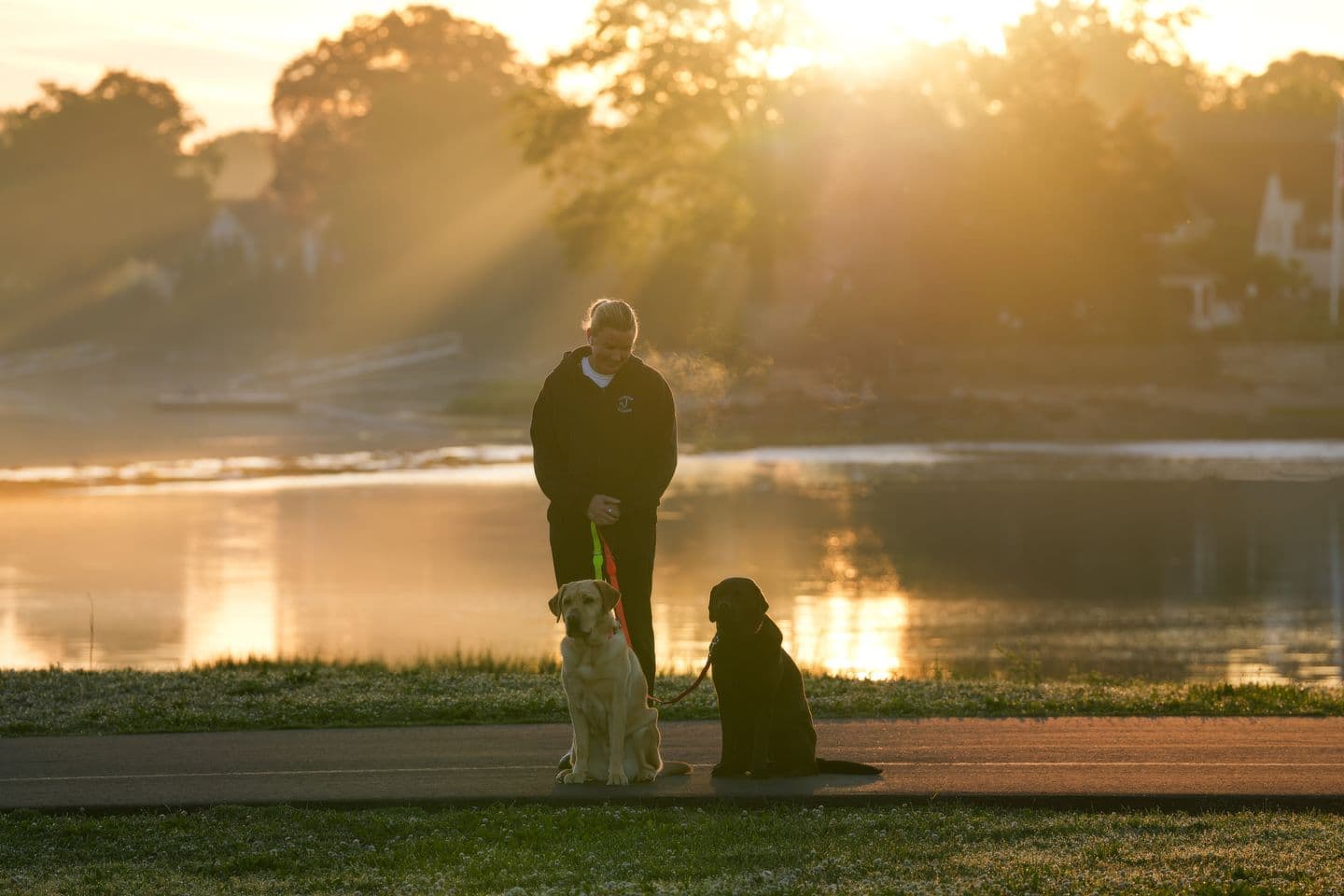
Once the chaos of the first year with a puppy settles into something manageable, a lot of owners start eyeing a second dog. It is a bigger decision than it looks from the outside, but for the right household, it can genuinely improve life for everyone involved, humans and dogs alike.
1. Built in companionship during long work hours
Indian work schedules, especially in cities with long commutes, often leave dogs alone for stretches of the day. A second dog gives the first one company, play and a sense of security during those hours, which can meaningfully ease boredom based behaviours like excessive barking or destructive chewing that stem from loneliness rather than misbehaviour.
2. Faster, easier learning for the newer dog
A calm, well mannered resident dog often teaches a new puppy the house rules faster than a human alone can, from where to toilet to how to behave around the dinner table. Puppies watch and copy older dogs, and potty training in particular tends to move quicker with a role model already in the routine.
3. More activity, less indulgence needed from you
Two dogs that get along will burn off a good amount of energy simply playing with each other, chasing, wrestling and generally entertaining one another. This does not replace daily walks, but it does take some pressure off being your dog's sole source of physical and mental stimulation.
4. Doubling the joy for a multi generational household
In many Indian homes with several generations under one roof, a second dog often means each family member, from grandparents to children, finds their own bond with a different dog, spreading the emotional connection and the daily care responsibilities more evenly across the household.
5. A softer landing for eventual loss
Losing a solo dog leaves a jarring silence in a home. Owners of two dogs often find that having a second dog present, even while grieving, gives a household a gentler transition and a reason to keep to a normal routine during a difficult time.
The honest trade offs
Costs for food, vaccinations and vet visits roughly double, and so does the mess, the shedding and the supervision needed during the first months while two dogs learn to live together. Avoid adopting two puppies from the same litter at once if possible, since littermates commonly bond more strongly to each other than to their humans, making individual training significantly harder. A dog close in age but from a different litter, or an older, calmer dog paired with a new puppy, usually works out better.
Getting the first meeting right
How the two dogs are introduced shapes the relationship far more than most people expect. Arrange the first meeting on neutral ground, a nearby park or open area rather than your existing dog's home turf, so neither dog feels the need to defend territory from the outset. Keep both dogs leashed, let them sniff briefly, and watch body language closely, a loose wagging tail and relaxed posture are good signs, while stiffening, growling or fixed staring mean it is time to create distance and try again later rather than pushing through. Once home, keep the resident dog's favourite bed, bowl and toys in their usual spot rather than reshuffling everything at once, and feed the two dogs separately at first to avoid any resource guarding around food.
Beyond the familiar Great Dane and Saint Bernard, a number of large, calm breeds carry the same gentle-giant temperament without quite the same name recognition. Most remain genuinely rare in India, b
A once-bouncy dog that suddenly seems flat, uninterested in walks, and withdrawn from the family is unsettling to watch, and the question that naturally follows is whether dogs can actually feel somet
A healthy dog isn't just a contented one; they're more playful, more energetic and more emotionally settled. As their owner, you're the biggest factor in how well your dog thrives, day in and day out.