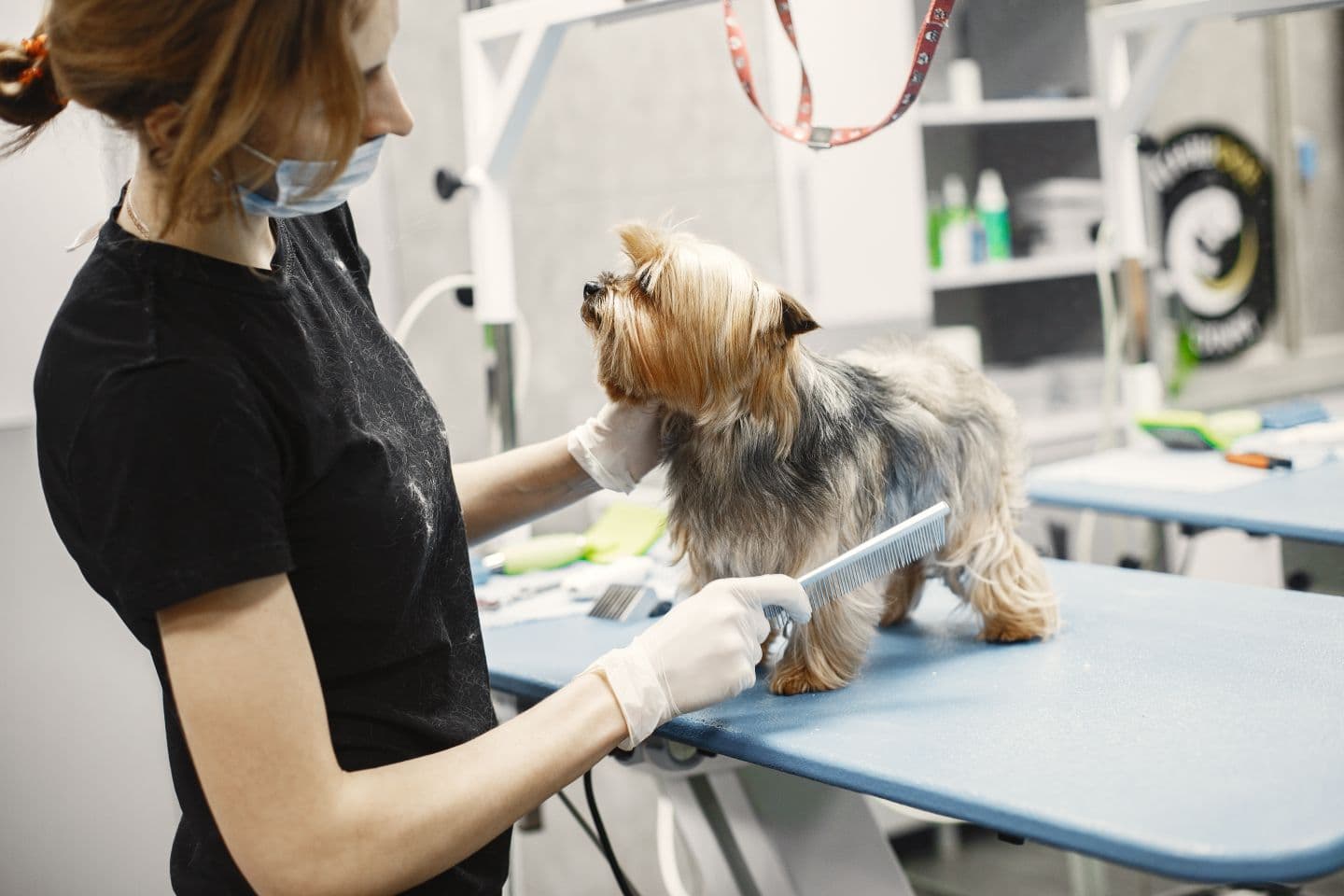
The Fifth Claw: What Indian Dog Owners Get Wrong About Dewclaws
That extra little claw on your dog's leg is not a defect. It is a joint, with its own blood supply, and ignoring it is riskier than removing it unnecessarily.
That extra little claw on your dog's leg is not a defect. It is a joint, with its own blood supply, and ignoring it is riskier than removing it unnecessarily.
Most Indian pet parents notice the dewclaw for the first time at the groomer's, usually when it has snagged on a bedsheet or overgrown into a painful curl. It sits higher up the leg than the other toes, never touches the ground, and for decades was dismissed as a leftover from evolution with no real job to do.
It is not a leftover. It is a stabiliser
Veterinary opinion has shifted firmly in the last fifteen years. Front dewclaws are properly attached to the leg by their own metacarpal bone, complete with muscles, tendons and nerves, forming a genuine joint rather than a loose flap of skin.
They help stabilise the carpal, or wrist, joint when a dog puts weight on its front paws.
They offer extra grip on slippery tile floors, a real concern in Indian apartments with marble or vitrified flooring.
In dogs that run, turn sharply or jump, such as those doing agility or simply chasing a ball at the park, the front dewclaw helps the paw stabilise on landing.
Rear dewclaws are a different story. In many dogs they are only attached by skin, with no bone or joint underneath, which is why they dangle and catch on things far more easily than the front ones.
When removal actually makes sense
Routine removal of healthy dewclaws has fallen out of favour with most vets, both in India and abroad, largely on ethical grounds: why amputate a functioning body part on a puppy that may never need it removed.
Loosely attached rear dewclaws that repeatedly catch, tear or bleed are a legitimate reason to remove them, ideally alongside a spay or neuter so the dog is only sedated once.
Working and hunting-type dogs that run through scrub, or breeds used for boar hunting in parts of rural India, are more prone to dewclaw injury than a dog that mostly lives indoors.
An overgrown or ingrown dewclaw nail is a grooming problem, not a surgical one. Regular trimming solves it.
If your puppy's breeder already removed the dewclaws in the first few days of life, there is nothing to worry about retroactively. If they were left intact, the better instinct is usually to leave them alone and simply add dewclaw trims to the monthly nail-care routine.
A quick home check
Feel along the inside of each leg, just above the paw, to locate the dewclaw.
Trim it at the same time as the other nails, since it does not wear down naturally against the ground.
Watch for redness, swelling or your dog licking one paw obsessively. That is the signal to see a vet, not a home remedy.
Dewclaws are one of those small anatomical details that most owners never think about until something goes wrong. A minute of attention during the monthly nail trim is usually all it takes to keep it that way.
Beyond the familiar Great Dane and Saint Bernard, a number of large, calm breeds carry the same gentle-giant temperament without quite the same name recognition. Most remain genuinely rare in India, b
A once-bouncy dog that suddenly seems flat, uninterested in walks, and withdrawn from the family is unsettling to watch, and the question that naturally follows is whether dogs can actually feel somet
A healthy dog isn't just a contented one; they're more playful, more energetic and more emotionally settled. As their owner, you're the biggest factor in how well your dog thrives, day in and day out.