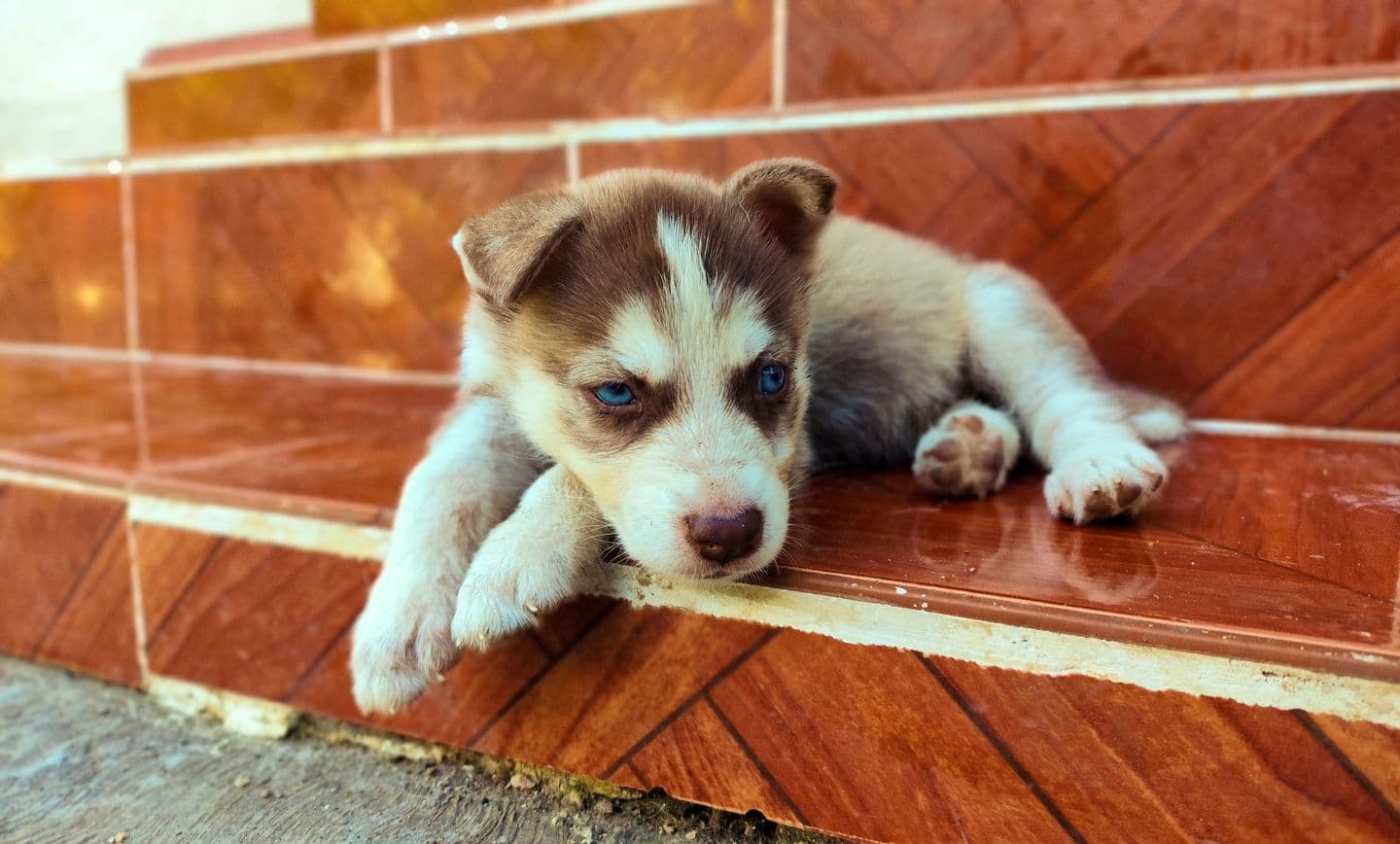
The First 30 Days: A Realistic Week by Week Guide for New Puppy Owners
Nobody quite prepares new owners for how disorienting the first month with a puppy actually is. Between broken sleep, constant supervision and a puppy that seems to forget everything it learned yester
Nobody quite prepares new owners for how disorienting the first month with a puppy actually is. Between broken sleep, constant supervision and a puppy that seems to forget everything it learned yesterday, it helps enormously to know what is normal at each stage rather than measuring your puppy against an imaginary perfectly behaved one.
Week one: survival and trust
The first week is not about training, it is about helping a puppy feel safe in a completely unfamiliar place, away from its mother and littermates for the first time. Expect some whining at night, occasional accidents, and a puppy that startles at ordinary household sounds. Keep visitors and outings minimal, and focus almost entirely on establishing a calm, predictable routine around feeding, sleep and toilet breaks.
Week two: routine starts to take shape
By the second week, most puppies are noticeably more settled and beginning to anticipate the household routine. This is the week to tighten up the potty training schedule, taking the puppy out every couple of hours and immediately after waking, eating or playing, and to start short, low key introductions to safe new sounds and experiences at home.
Week three: personality and progress
Confidence usually grows visibly in week three. Basic name recognition and the beginnings of simple cues like sit can start here, kept to very short, food rewarded sessions. Expect uneven progress, a great day of house training can be followed by a messy one, particularly if the puppy is overtired, teething, or dealing with a change in routine.
Week four: settling into family life
By the fourth week, most puppies have a clear sense of the household routine and the people in it. This is a good stage to widen socialisation carefully, short car rides, calm supervised meetings with vaccinated dogs, and continued exposure to everyday household sounds, while still avoiding crowded, high risk areas until vaccinations are complete.
What to prioritise across the whole month
The first vet visit, ideally within the first few days
A consistent daily schedule for meals, naps, play and toilet breaks
A safe, puppy proofed space the puppy can be confined to when unsupervised
Gentle handling practice, paws, ears, mouth, for future grooming and vet visits
Realistic expectations, this month is about building trust and structure, not achieving perfect behaviour
The most important thing nobody tells new owners
Progress with a young puppy is rarely a straight line. A puppy that seemed fully house trained one day may have an accident right next to the door the next, not out of defiance but because learning at this age genuinely happens in fits and starts. Patience and consistency through the wobbles matter far more than getting every single day right.
Beyond the familiar Great Dane and Saint Bernard, a number of large, calm breeds carry the same gentle-giant temperament without quite the same name recognition. Most remain genuinely rare in India, b
A once-bouncy dog that suddenly seems flat, uninterested in walks, and withdrawn from the family is unsettling to watch, and the question that naturally follows is whether dogs can actually feel somet
A healthy dog isn't just a contented one; they're more playful, more energetic and more emotionally settled. As their owner, you're the biggest factor in how well your dog thrives, day in and day out.