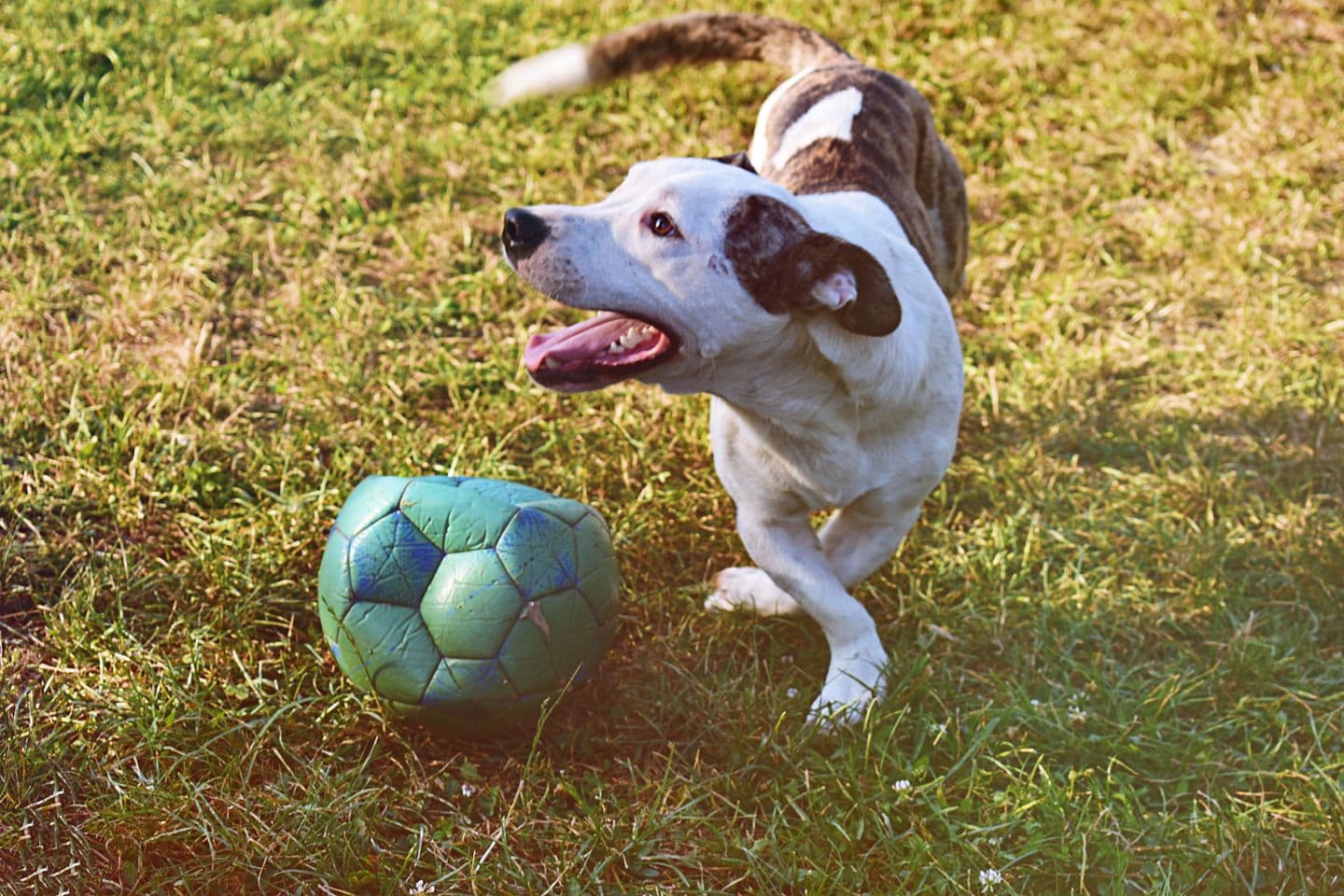
Understanding the Dog Play Bow: What Your Pet Is Communicating
Front legs stretched flat to the ground, rear end up in the air, tail wagging. The play bow is one of the clearest, most joyful pieces of canine body language, and it carries a specific, important mes
Front legs stretched flat to the ground, rear end up in the air, tail wagging. The play bow is one of the clearest, most joyful pieces of canine body language, and it carries a specific, important message.
What the Play Bow Means
A play bow is an invitation. It tells another dog or a person that whatever happens next, a play growl, a chase, a mock bite, is all in good fun and not a real threat. It essentially resets the tone of an interaction to playful.
When Dogs Use It
At the start of a play session with another dog or a familiar person
In the middle of rough play, as a quick reminder that the roughhousing is still just a game
Sometimes directed at a toy, a cat, or even an object that has caught a dog's interest
Reading the Rest of the Body
A genuine play bow comes with loose, bouncy movement, a relaxed open mouth, and a soft face. If a dog play bows but the rest of the body looks stiff, or the invitation is not followed by loose, happy movement, it is worth watching the interaction a little more closely rather than assuming pure play.
Encouraging Healthy Play
Watch for regular play bows and role reversal, where each dog takes turns chasing and being chased, as signs of a balanced, healthy play session. One dog constantly overpowering another without any bows or breaks is worth interrupting for a breather.
Play Bows Between Dogs and People
Some dogs offer a play bow to their owner, inviting a game of chase or tug. Responding playfully, rather than ignoring it, is a lovely way to build connection through a shared moment your dog has clearly initiated.
A Play Bow Aimed at Nothing in Particular
Occasionally a dog will play bow alone, toward a toy, a falling leaf, or seemingly nothing at all. This is usually just an expression of high spirits and playful energy rather than communication directed at anyone, and it is one of the more purely joyful things a dog does.
A Marker of Good Socialisation
Frequent, well received play bows during interactions with other dogs are generally a good sign of confident, well socialised play skills. A dog who never offers one, even during apparently friendly play, may benefit from more structured, positive exposure to other calm, friendly dogs.
Beyond the familiar Great Dane and Saint Bernard, a number of large, calm breeds carry the same gentle-giant temperament without quite the same name recognition. Most remain genuinely rare in India, b
A once-bouncy dog that suddenly seems flat, uninterested in walks, and withdrawn from the family is unsettling to watch, and the question that naturally follows is whether dogs can actually feel somet
A healthy dog isn't just a contented one; they're more playful, more energetic and more emotionally settled. As their owner, you're the biggest factor in how well your dog thrives, day in and day out.