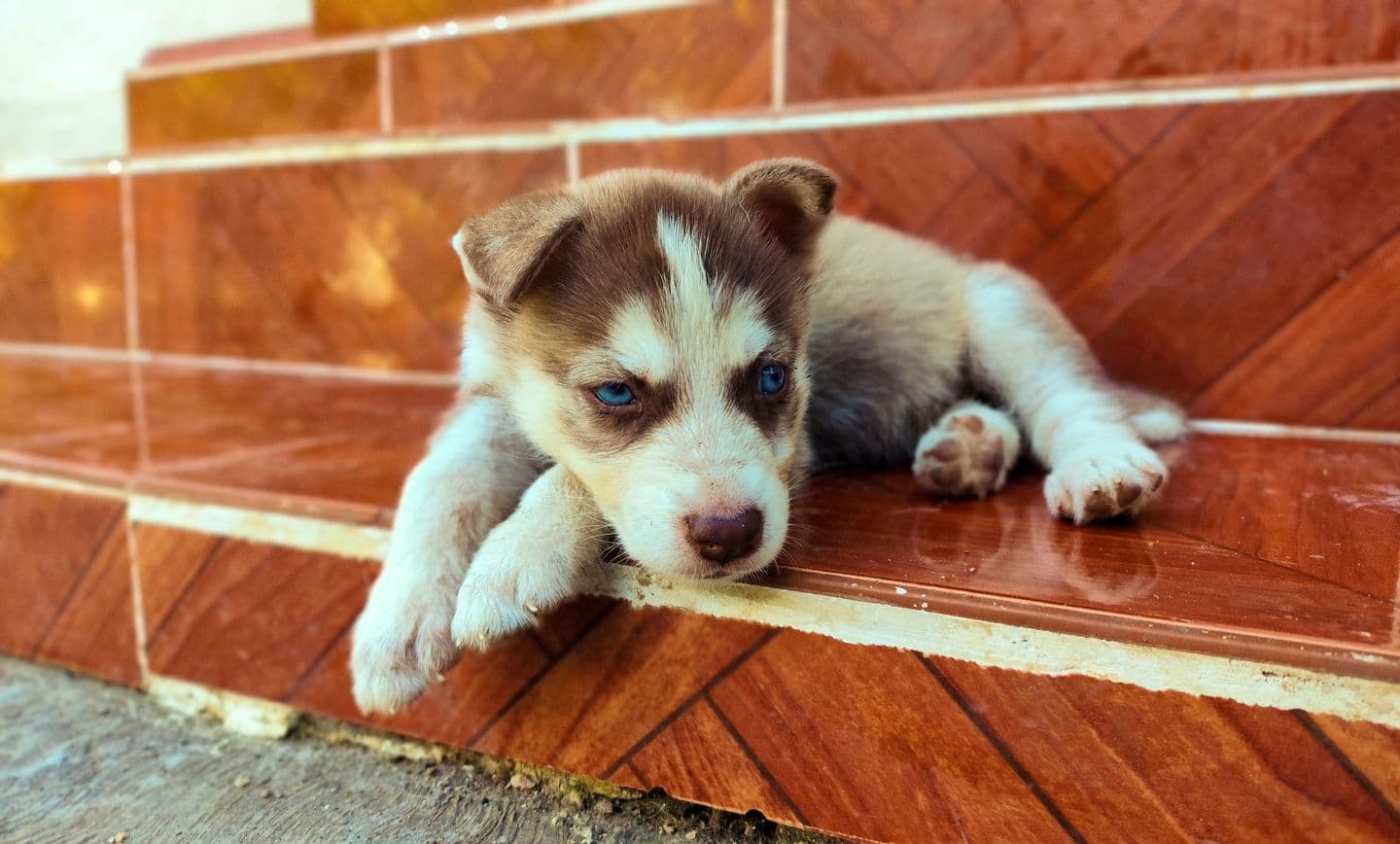
The first days with an eight week old puppy set the tone for everything that follows. Between a new environment, a new feeding routine and being away from littermates for the first time, this is a gen
The first days with an eight week old puppy set the tone for everything that follows. Between a new environment, a new feeding routine and being away from littermates for the first time, this is a genuinely disorienting stretch for a young dog, and a bit of structure from day one goes a long way.
Feeding
An eight week old puppy typically needs four small meals a day, using a good quality puppy specific food appropriate to its expected adult size. Sudden diet changes cause upset stomachs, so if switching from whatever the breeder or shelter was feeding, transition gradually over about a week by mixing increasing proportions of the new food with the old.
Sleep
Expect eighteen to twenty hours of sleep a day, this is completely normal and necessary for growth and brain development, not a sign of illness. A crate or a cosy, enclosed bed in a quiet corner, away from household traffic, helps a puppy settle faster, especially in the first nights away from its litter.
The first vet visit
Book a vet appointment within the first few days of bringing the puppy home, even if vaccinations were already started by the breeder or shelter. This visit should cover a general health check, deworming schedule, and confirmation of the vaccination timeline, which in India typically continues every three to four weeks until around sixteen weeks of age.
Toileting
At this age, a puppy needs a toilet break roughly every hour while awake, and immediately after eating, playing or waking up. Whether using potty pads or planning eventual outdoor toileting, consistency in location and timing matters more than the method chosen.
Settling in emotionally
Some crying and whining on the first few nights is expected as the puppy adjusts to being away from its litter for the first time. Keeping the puppy's sleeping area close to a family member for the first week, rather than isolated in another room, often eases this transition considerably.
A simple first week checklist
Vet visit booked and gone for
Feeding schedule set at four meals a day
Toilet spot chosen and consistent
A quiet, enclosed sleeping area set up
Home checked for hazards at puppy eye level
No overwhelming visitors or outings planned for the first several days
None of this needs to be perfect. A calm, predictable routine matters far more to a puppy than getting every detail exactly right.
Introducing the puppy to the rest of the family
In larger Indian households with several generations under one roof, an eight week old puppy can quickly become overwhelmed by well meaning attention from every direction. Ask family members, especially children, to let the puppy approach them rather than the other way round, and keep early interactions short and calm. This is also a good moment to agree as a household on shared ground rules, such as which furniture the puppy is allowed on and who is responsible for which routine, so the puppy does not receive mixed signals from different family members in its first weeks.
Basic grooming to start early
Even before a full bath is needed, get the puppy used to short, gentle sessions of brushing, paw handling and ear checks. In India's climate, ears deserve particular attention given how quickly humidity can encourage yeast or bacterial infections, so a quick weekly look and sniff check, without needing to do anything invasive, is a useful habit to build from week one.
Beyond the familiar Great Dane and Saint Bernard, a number of large, calm breeds carry the same gentle-giant temperament without quite the same name recognition. Most remain genuinely rare in India, b
A once-bouncy dog that suddenly seems flat, uninterested in walks, and withdrawn from the family is unsettling to watch, and the question that naturally follows is whether dogs can actually feel somet
A healthy dog isn't just a contented one; they're more playful, more energetic and more emotionally settled. As their owner, you're the biggest factor in how well your dog thrives, day in and day out.