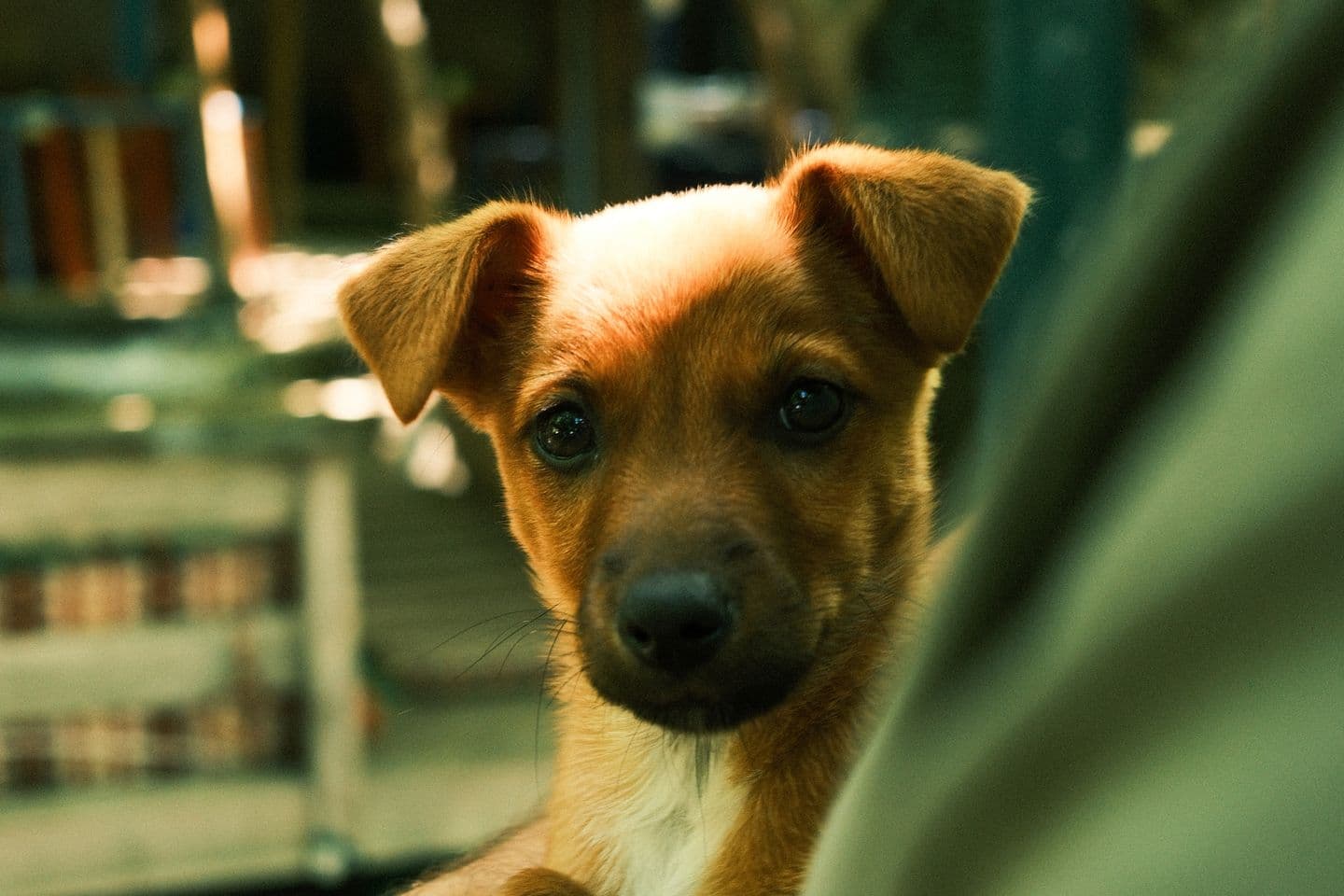
How a puppy's first few grooming experiences go tends to shape its attitude toward baths, brushing and nail trims for the rest of its life. A little patience in these early sessions pays off for years
How a puppy's first few grooming experiences go tends to shape its attitude toward baths, brushing and nail trims for the rest of its life. A little patience in these early sessions pays off for years afterward.
When to give the first proper bath
Most puppies are ready for their first real bath somewhere between eight and twelve weeks, once their body can better regulate temperature. Before that age, a warm, damp washcloth is a safer way to clean a dirty puppy than a full bath, particularly important during India's monsoon months when a puppy may pick up mud on every walk.
Building comfort before the first bath
Get the puppy used to being handled, paws, ears, tail, belly, well before any water is involved
Introduce the sound of running water from a distance first, rewarding calm behaviour
Let the puppy dip its paws into a shallow tub of warm water before attempting a full bath
Keep the very first bath short and simple rather than trying to do a thorough job the first time
How to actually bathe a puppy
Use lukewarm water, never hot, and a shampoo formulated specifically for puppies, since adult dog or human shampoo can irritate young skin
Work from the neck down, avoiding the eyes and being especially gentle around the ears
Rinse thoroughly, more thoroughly than feels necessary, since leftover shampoo residue is a common cause of itchy skin afterward
Dry gently with a towel, and use a hairdryer on its lowest, coolest setting only if the puppy tolerates the noise calmly
How often is actually necessary
Most puppies do not need frequent full baths, roughly every four to six weeks is typical for most coat types, though active, outdoor exploring puppies or those with skin conditions may need more. Over bathing can dry out a puppy's skin and coat, so between baths, a damp cloth wipe down for muddy paws or a dusty coat is usually sufficient.
Brushing between baths
Short coated puppies generally do well with a weekly brush, while long or curly coated breeds may need daily attention to prevent matting. Work through any knots gently, holding the hair close to the skin to avoid tugging, rather than yanking straight through a tangle.
Nails, ears and teeth
Nail trims, ear checks and tooth brushing all deserve the same gradual, positive introduction as bathing. Start by simply touching and gently handling these areas with rewards, well before attempting the actual task, so the puppy has weeks of positive association built up before the first real nail trim or tooth brushing session.
When to bring in a professional groomer
Once a puppy's vaccination series is far enough along, typically around twelve to fourteen weeks, an introductory visit to a groomer, even one that does not involve an actual grooming that day, helps a puppy learn the salon is not something to fear. This is particularly worthwhile for breeds that will need regular professional grooming throughout their lives.
Cleaning ears safely
Use a vet approved ear cleaning solution, never water alone or cotton buds pushed into the canal, both of which can push debris deeper or cause injury. Squeeze a small amount of cleaner into the ear, massage gently at the base for a few seconds, then let the puppy shake its head before wiping away any loosened debris from the visible part of the ear with a soft cotton pad. Once every week or two is generally enough for a healthy puppy, more only if your vet recommends it for a specific issue.
Why matting is more than a cosmetic problem
Matted fur, particularly common in longer coated breeds if brushing is skipped for a few weeks, is not just untidy looking, it can pull tightly on the skin, restrict movement, and trap moisture underneath that leads to painful skin infections. Regular brushing between baths is the simplest prevention, and a mat that has already formed close to the skin is often better addressed by a groomer than by attempting to comb it out yourself, since forceful detangling can hurt a puppy and discourage future grooming cooperation.
Beyond the familiar Great Dane and Saint Bernard, a number of large, calm breeds carry the same gentle-giant temperament without quite the same name recognition. Most remain genuinely rare in India, b
A once-bouncy dog that suddenly seems flat, uninterested in walks, and withdrawn from the family is unsettling to watch, and the question that naturally follows is whether dogs can actually feel somet
A healthy dog isn't just a contented one; they're more playful, more energetic and more emotionally settled. As their owner, you're the biggest factor in how well your dog thrives, day in and day out.