Bichon Frise: Traits, Personality and Grooming in India
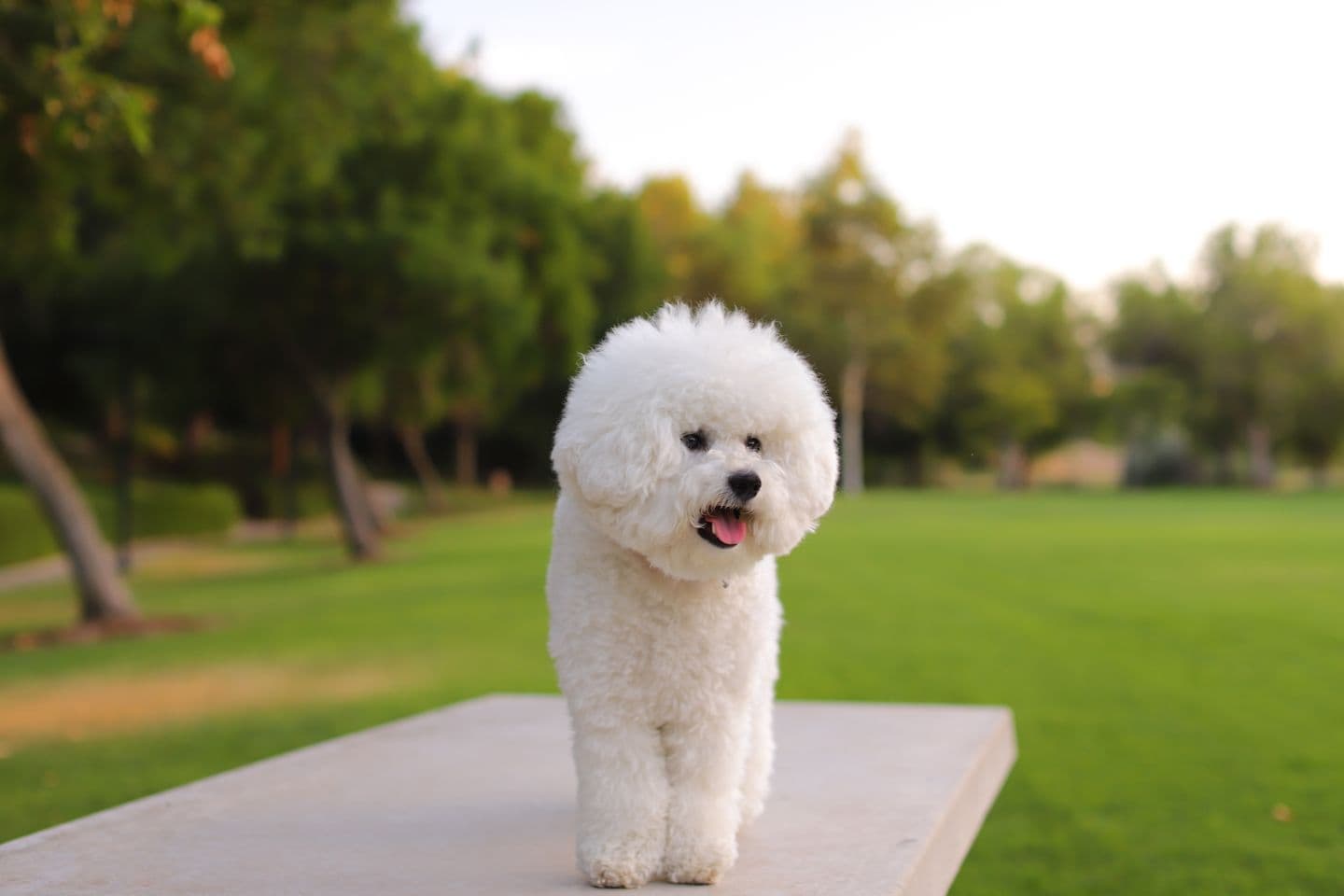
The Bichon Frise looks almost like a small cloud that learned to walk, and its personality lives up to that cheerful image. Descended from Mediterranean water dogs and later refined as a European cour
The Bichon Frise looks almost like a small cloud that learned to walk, and its personality lives up to that cheerful image. Descended from Mediterranean water dogs and later refined as a European court favourite, this is a breed built purely for companionship, with very little working history to speak of.
Personality
Bichon Frises are consistently described as happy-go-lucky, and it is not an exaggeration. They are sociable with strangers, gentle with children, and generally get along well with other pets, making them one of the more forgiving breeds for a first-time owner. The one thing they do not tolerate well is being left alone for long stretches. This is a breed that thrives on attention and can develop separation anxiety in households where everyone is out at work all day.
Life in Indian homes
Bichon Frises adapt to Indian weather reasonably well, particularly through winter, though summer calls for sensible precautions, shaded walks, avoiding the midday heat and access to a cool indoor space. Their small size and moderate exercise needs make them a genuinely good fit for flat living, provided their need for company and playtime is met.
Grooming and health
This is where the Bichon asks for real commitment. The curly, hair-like coat does not shed in the way most dogs do, which is why the breed is often marketed as hypoallergenic, though no dog is entirely allergen-free. What that low shedding means in practice is that loose hair stays trapped in the coat rather than falling out, so daily brushing is necessary to prevent matting and skin problems underneath. Most Indian owners find a professional groom every four to six weeks essential to keep the coat manageable, especially through the humid monsoon months when matting happens faster.
Bichon Frises are a generally healthy, long-lived breed, though owners should watch for dental issues, bladder stones and skin allergies as the dog ages.
Quick facts
Size: small, roughly 5 to 8 kg
Coat: curly, low-shedding, high grooming commitment
Exercise: moderate, daily walks and indoor play
Watch for: separation anxiety, matting, dental and skin issues
Best suited to: households that can offer company and a regular grooming routine
Beyond the familiar Great Dane and Saint Bernard, a number of large, calm breeds carry the same gentle-giant temperament without quite the same name recognition. Most remain genuinely rare in India, b
A once-bouncy dog that suddenly seems flat, uninterested in walks, and withdrawn from the family is unsettling to watch, and the question that naturally follows is whether dogs can actually feel somet
A healthy dog isn't just a contented one; they're more playful, more energetic and more emotionally settled. As their owner, you're the biggest factor in how well your dog thrives, day in and day out.