Shedding is not a malfunction, it is a dog's coat cycling through old hair to make way for new growth. The amount varies hugely by breed, season, and even how much time a dog spends in air conditionin
Shedding is not a malfunction, it is a dog's coat cycling through old hair to make way for new growth. The amount varies hugely by breed, season, and even how much time a dog spends in air conditioning, which many Indian homes now run for a large part of the year.
Why some dogs shed more than others
Double-coated breeds like Huskies, German Shepherds, and Golden Retrievers carry a dense undercoat that blows out heavily twice a year, usually around the change of seasons. Single-coated breeds and many Indian indie dogs shed more evenly and lightly throughout the year. Interestingly, dogs that live mostly indoors under artificial light and consistent air conditioning can shed more continuously, since their coat cycle is no longer being cued by natural daylight changes the way an outdoor dog's would be.
Managing it at home
Brush two to three times a week for moderate shedders, daily during a heavy seasonal blow-out
Use a deshedding tool or undercoat rake for double-coated breeds rather than a regular slicker brush alone
Bathe on a normal schedule, since a clean coat sheds less visibly than a dirty, matted one
Keep the diet consistent, since sudden food switches can affect coat quality
Brush outdoors or in a well-ventilated spot to keep loose fur out of the house
When shedding is a red flag
Normal shedding is diffuse, spread across the body. Bald patches, hair loss in clumps, red or flaky skin underneath, or shedding paired with constant scratching point towards something else entirely, allergies, a fungal infection, thyroid issues, or parasites. These deserve a vet visit rather than a heavier brush.
Diet's role in coat health
A coat that sheds excessively or looks dull often reflects what is going into the bowl. Diets with adequate quality protein and omega-3 fatty acids, from sources like fish oil, support a stronger hair shaft and healthier skin barrier, which can reduce breakage and excessive shedding over time. This is not a fix for a heavy seasonal blow-out, which is normal regardless of diet, but it does matter for overall coat condition. Any significant diet change is worth discussing with your vet first, particularly for dogs with existing health conditions.
Professional deshedding treatments
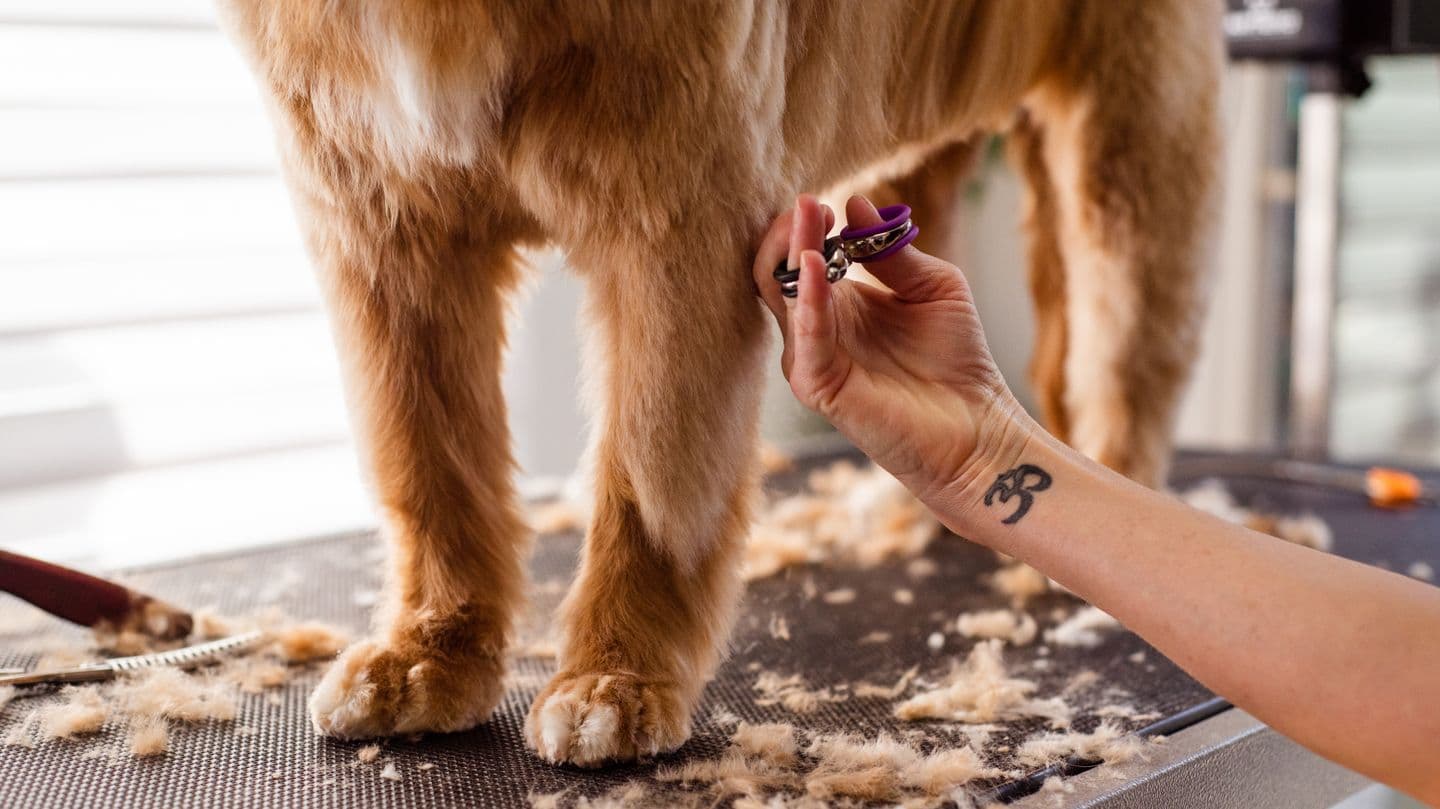
For double-coated breeds struggling through an Indian summer with a heavy undercoat, a professional deshedding treatment at a groomer, using tools and techniques beyond a standard home brush, can remove a significant amount of loose undercoat in a single sitting. This is not the same as shaving the dog down, which is best avoided for double-coated breeds, and works with the coat rather than against it.
Beyond the familiar Great Dane and Saint Bernard, a number of large, calm breeds carry the same gentle-giant temperament without quite the same name recognition. Most remain genuinely rare in India, b
A once-bouncy dog that suddenly seems flat, uninterested in walks, and withdrawn from the family is unsettling to watch, and the question that naturally follows is whether dogs can actually feel somet
A healthy dog isn't just a contented one; they're more playful, more energetic and more emotionally settled. As their owner, you're the biggest factor in how well your dog thrives, day in and day out.